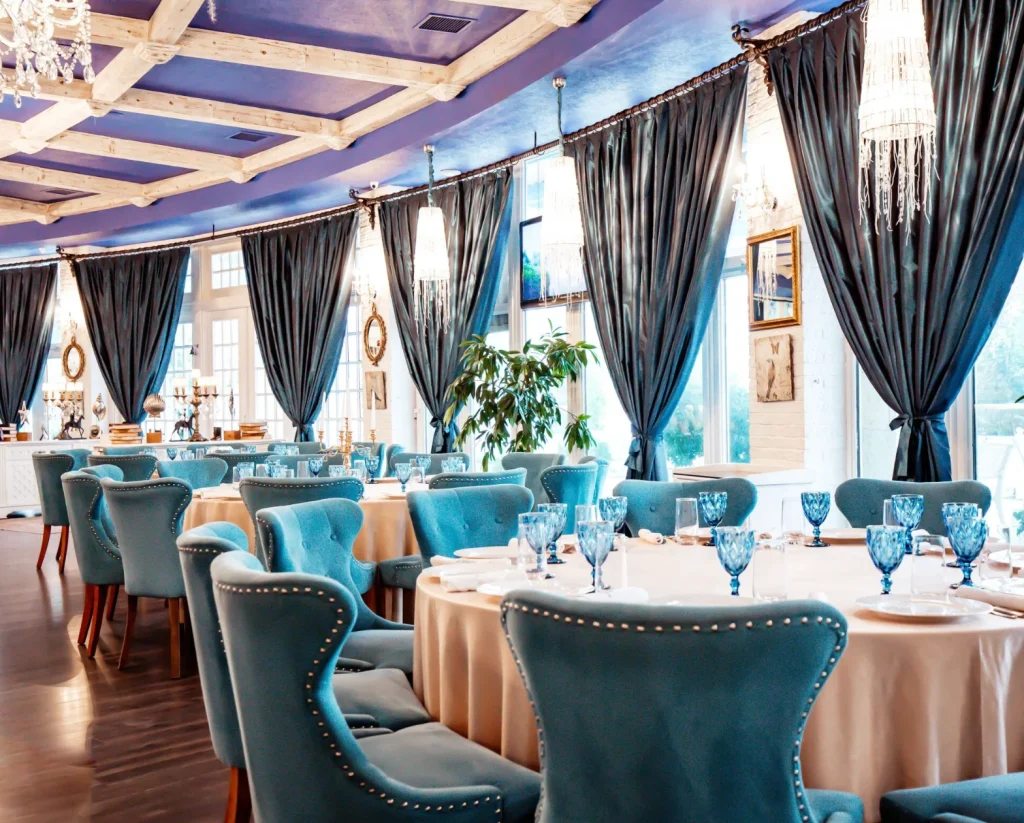
Choosing a venue is one of the most influential decisions in event planning. The space shapes the atmosphere, supports the schedule, and plays a major part in how guests experience the occasion from arrival to departure. This is why careful consideration of venue hire options is essential to ensure the space meets both aesthetic and functional requirements. Whether the event is a business function, wedding reception, private celebration, exhibition, or community gathering, the venue sets expectations before the program even begins. A well-matched location can make the event feel polished and comfortable, whereas an unsuitable space can create confusion, inconvenience, and unnecessary pressure for organisers. A thoughtful selection process helps align the venue with the purpose of the event, the needs of the guests, and the practical demands of the day itself.
Defining the Purpose of the Event
A clear understanding of the event’s purpose should guide every venue decision. A formal corporate seminar calls for a professional setting with presentation facilities, quiet surroundings, and seating that supports focus and interaction. A wedding or family celebration often benefits from a warm and visually pleasing environment that suits photography, dining, and socialising. Cultural programmes, product launches, and public events may need flexible floor space, staging areas, or room for exhibits and performances. Guest count should be estimated as accurately as possible at an early stage, since this affects venue size, layout options, staffing needs, and catering arrangements. The tone of the event, the expected activities, and the duration all help determine which type of space is most suitable.
Location and Guest Convenience
The venue’s location has a direct effect on attendance and guest satisfaction. A site that is easy to reach often leads to better punctuality and a smoother overall experience. Organisers should look at transport links, road access, nearby landmarks, and parking availability. Guests travelling from different parts of a city or from outside the area may benefit from a centrally placed venue near hotels, airports, or public transportation routes. The surrounding environment matters as well. A city-centre location may suit networking events and professional gatherings, whereas a quieter setting can work well for weddings, retreats, and private functions. Convenience, travel time, and ease of access should all support the event rather than create obstacles.
Space, Capacity, and Flow
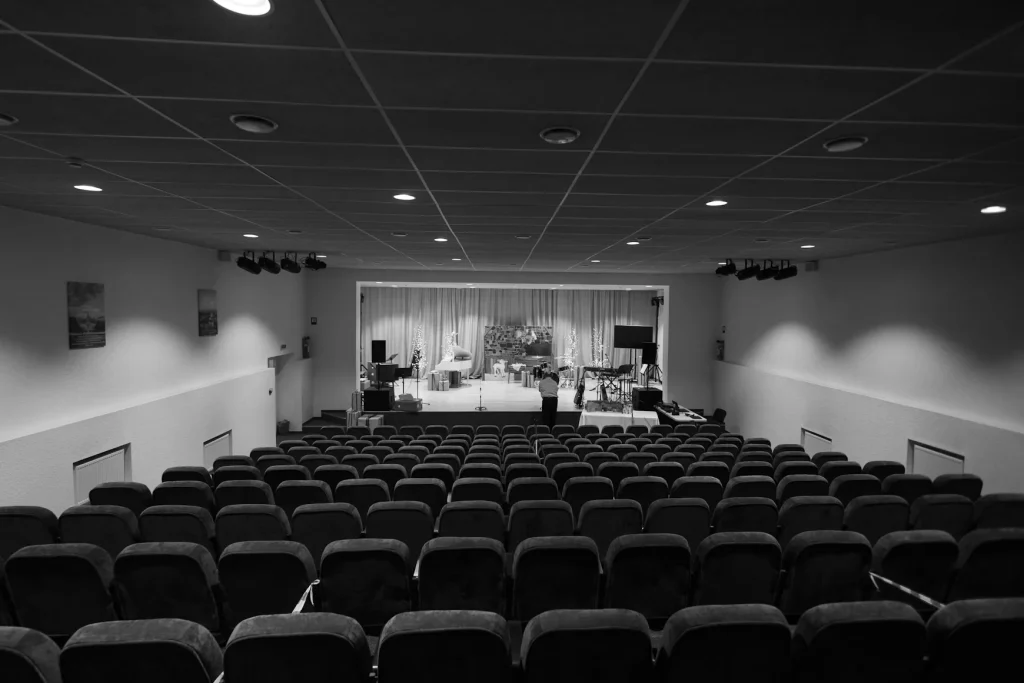
Capacity is about more than fitting a certain number of people into a room. The venue should allow guests to move comfortably, interact naturally, and take part in the event without feeling crowded or disconnected. The internal layout should suit the format of the gathering, whether that involves banquet tables, classroom seating, a theatre arrangement, or open standing space for receptions. Room flow is equally significant. Guests should be able to move easily between entrance points, seating areas, restrooms, catering stations, and any breakout rooms or side spaces. A venue that supports smooth movement helps the event feel organised and professional. It can improve safety, reduce congestion, and create a more pleasant atmosphere throughout the day or evening.
Facilities, Services, and Guest Comfort
Modern events often rely on practical amenities that support both organisers and attendees. Reliable internet access, sound systems, microphones, projectors, display screens, and power outlets are often expected, particularly for business and educational events. Comfort features such as air conditioning, heating, ventilation, clean restrooms, and accessible entrances contribute greatly to guest satisfaction. For longer programmes, lounge areas, waiting spaces, or smaller rooms for private discussions can be highly useful. Food service arrangements should be reviewed carefully as well. Some venues provide in-house catering, tables, linens, serving staff, and beverage packages, whereas others allow outside suppliers. Understanding what is included helps prevent confusion and helps planners coordinate the event more effectively.
Budget and Cost Transparency
Financial planning should remain closely linked to venue selection from the start. Venue pricing can vary widely depending on location, size, reputation, included services, and booking date. Weekend rates, holiday schedules, and peak seasons often come at a higher price. A clear breakdown of charges helps organisers avoid surprises later. This includes rental fees, security deposits, overtime rates, cleaning charges, technical support fees, and cancellation terms. Package offers may provide better value when they include catering, furniture, décor, or staff support. Comparing total value rather than only the base rental price often gives a more accurate picture of affordability. Careful budgeting protects the event from unnecessary overspending and leaves room for other priorities such as entertainment, branding, or guest hospitality.
Reputation and Firsthand Assessment
A venue’s reputation can reveal a great deal about service quality and reliability. Reviews from previous clients often highlight punctuality, staff professionalism, cleanliness, communication standards, and the condition of the facilities. Online feedback, social media pages, and referrals from trusted contacts can all provide useful insight. Still, a personal site visit remains one of the best ways to judge whether a venue is the right fit. Walking through the space allows organisers to assess lighting, acoustics, maintenance, décor, and general atmosphere. It can confirm whether photographs and promotional descriptions accurately reflect the actual setting. Direct conversations with venue staff during the visit may reveal how responsive and experienced the management team is.
Safety, Compliance, and Practical Protection
Legal and safety matters should never be overlooked during venue selection. The space should meet local occupancy regulations, fire safety standards, and accessibility requirements. Emergency exits, fire extinguishers, signage, and first-aid readiness should all be visible and well-maintained. Any event involving music, live entertainment, food service, or alcohol may require proper permits and licensing. Organisers should review what insurance coverage is already provided by the venue and whether separate event insurance is needed. A clear contract that outlines responsibilities, liabilities, and service terms protects both the venue and the event host. Strong attention to these matters helps reduce risk and supports smooth event delivery.
Cultural Fit and Responsible Choices
The venue should reflect the values and expectations tied to the event. Some occasions may require space for religious observances, dietary preferences, ceremonial customs, or family traditions. Respecting these requirements can make guests feel welcomed and respected. Sustainability is becoming a growing priority for many organisers as well. Venues that support recycling, energy-efficient operations, reduced waste practices, and responsible sourcing for catering can strengthen the event’s public image. A space that aligns with social values and community expectations often leaves a stronger impression on guests and stakeholders.
Conclusion
The right venue is far more than a backdrop; it is a functional part of the event’s success. From guest convenience and room layout to service quality, safety standards, and budget alignment, every detail contributes to the final experience. A careful, well-structured selection process gives organisers greater confidence and helps the event run smoothly from beginning to end. When the space matches the purpose, atmosphere, and practical needs of the occasion, it creates a memorable experience that feels well planned, welcoming, and professionally delivered.
