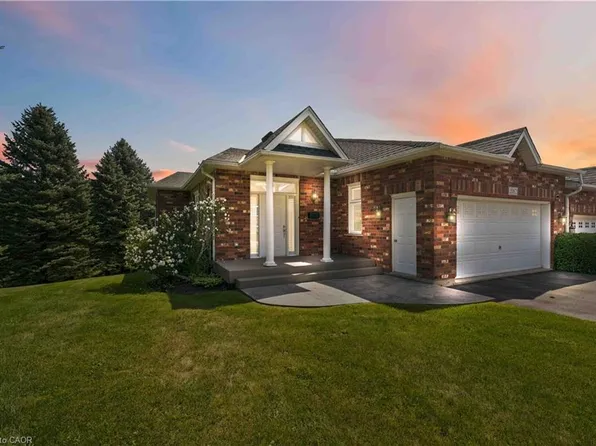
Finding the right single story home in Niagara can make everyday living easier and more comfortable. These homes appeal to downsizers, retirees, families, and buyers who want a practical layout without relying on stairs. However, not every single story property offers the same combination of location, layout, condition, and value.
A successful home search starts with knowing what matters most to you. Instead of choosing a property based only on its appearance, consider how well it will support your lifestyle today and several years from now.
Define Your Priorities Before Searching
Start by creating a list of must have features. Think about the number of bedrooms and bathrooms, parking, storage, outdoor space, home office requirements, and preferred neighbourhood.
You should also decide whether you want a traditional bungalow, a raised bungalow, a bungalow townhome, or another single level design. These options can have very different layouts and maintenance requirements.
Your list will help you eliminate unsuitable properties quickly. It also prevents you from becoming distracted by attractive features that do not actually meet your needs.
Choose the Right Niagara Community
Location can have a major effect on your daily experience and the property’s long term value. Niagara offers a wide range of communities, each with its own character, amenities, housing options, and price points.
Niagara Falls offers established neighbourhoods alongside newer developments. St. Catharines provides access to shopping, services, recreation, and established residential areas. Welland can offer different value opportunities, while Pelham, Fort Erie, Port Colborne, and Thorold provide additional options for buyers seeking single level living.
Consider your commute, access to healthcare, grocery stores, parks, restaurants, family members, and other places you visit regularly. A beautiful home becomes less appealing if its location makes everyday errands inconvenient.
Look Beyond the Listing Photos
Photos can make almost any property look appealing. During a viewing, focus on how the home actually functions.
Check whether the main entrance is easy to access. Look at the hallway widths, bedroom placement, bathroom layout, kitchen workflow, and movement between rooms.
If accessibility is important, pay particular attention to steps, thresholds, door widths, bathroom access, and available turning space. Features such as a no step entrance, main floor bedroom, wider doorways, and an accessible bathroom can make a major difference over time.
Do not assume that a listing description accurately represents accessibility. Inspect the property yourself and confirm that its features match your requirements.
Consider the Home’s Long Term Potential
One of the biggest advantages of a single story home is that it can support changing needs. A home that works well today may also remain practical if mobility or household requirements change.
Think about where you would place furniture, whether the primary bedroom is conveniently located, and whether the bathroom could be modified if necessary. A low maintenance yard can also be valuable for buyers who want to spend less time on exterior upkeep.
If you are planning to remain in the home for many years, evaluate it with that timeframe in mind rather than focusing only on immediate needs.
Check the Condition Carefully
A single story layout does not automatically mean a property is easy or inexpensive to maintain. Older homes may require work on the roof, plumbing, electrical systems, windows, insulation, heating equipment, or foundation.
During your viewing, look for visible signs of moisture, cracks, poor drainage, aging mechanical systems, and deferred maintenance. Ask questions about major renovations and request documentation where available.
A professional home inspection is also an important part of the buying process. It can identify problems that are difficult to spot during a regular showing.
Calculate the Complete Cost
Your purchase price is only one part of the financial picture. Before making an offer, consider mortgage payments, property taxes, home insurance, utilities, maintenance, and potential renovation costs.
A lower priced property that needs extensive repairs may ultimately cost more than a well maintained home with a higher asking price.
Compare recently sold properties in the same area rather than relying only on asking prices. Recent sales can provide a better indication of what buyers are actually paying.
Think About Resale Appeal
Even if you plan to stay in the property for many years, resale potential still matters. Look for features that are likely to remain useful to future buyers.
A practical floor plan, convenient location, manageable lot, good condition, and comfortable main floor can broaden the property’s appeal. Single story homes can attract different groups, including downsizers, retirees, families, and buyers planning for future accessibility needs.
Avoid choosing a property solely because it is inexpensive. A home with strong fundamentals can provide better value over time.
Take Your Time Before Making an Offer
Once you find a promising property, visit the area at different times of day if possible. Check traffic, noise, parking, sunlight, and general activity around the neighbourhood.
Make a shortlist of your strongest options and compare them against the same criteria. This makes it easier to identify which property genuinely offers the best combination of location, comfort, condition, and value.
Make Your Niagara Home Search More Focused
Finding the right single story home does not have to be complicated. Start with your priorities, choose a community that fits your lifestyle, inspect the layout carefully, evaluate accessibility and maintenance needs, and understand the complete cost of ownership.
Most importantly, think beyond the first impression. The right home should not simply look good when you walk through the door. It should make everyday life easier, remain practical as your needs change, and provide lasting value in the Niagara community you choose.
