The camera hanging from your neck represents thousands of dollars in optics and sensors, yet the small piece of metal connecting it to a tripod costs less than a decent lunch. That disproportion catches up with photographers when a cheap clamp slips mid-shoot or a plate rotates loose during a long exposure. Mounting hardware sits in the background of every conversation about gear because it lacks the glamour of new lenses or bodies, but the pieces that hold cameras, lights, and modifiers in place quietly determine whether a shoot goes smoothly or turns into damage control. This guide covers the accessories that professional shooters lean on most, the ones that beginners often skip, and the specific situations where cutting corners on hardware leads to expensive lessons about torque, threading, and load ratings.
Quick-Release Plates and the Trust They Buy
The plate between camera and tripod is the single most important accessory in a location kit, because every other piece of hardware depends on it holding firm. A generic plate that slips even a millimeter under load can throw off framing on a panorama, blur a long exposure, or send a camera crashing to concrete when the safety catch fails. Reliable camera mounting accessories use Arca-Swiss profiles, precision-machined channels, and reinforced clamps that lock through friction across a broad surface rather than a single pinch point.
Arca-Swiss Standardization Benefits
Adopting the Arca-Swiss profile across your kit means every plate, clamp, ball head, and rail system speaks the same language. You can move a camera from a video tripod to a monopod to a slider without swapping plates, and third-party accessories from any reputable brand slot into your existing hardware without adapters. This standardization eliminates the frustration of arriving on location with mismatched gear.
L-Brackets for Vertical Compositions
An L-bracket screws into the base of the camera and adds a vertical rail that lets you switch between horizontal and portrait orientations without flopping the tripod head sideways. This maintains the optical axis directly over the tripod’s center column, which prevents the composition from shifting as you rotate. Wedding, real estate, and landscape shooters gain speed and precision from this accessory alone.
Cold Shoes, Cages, and Rig Expansion
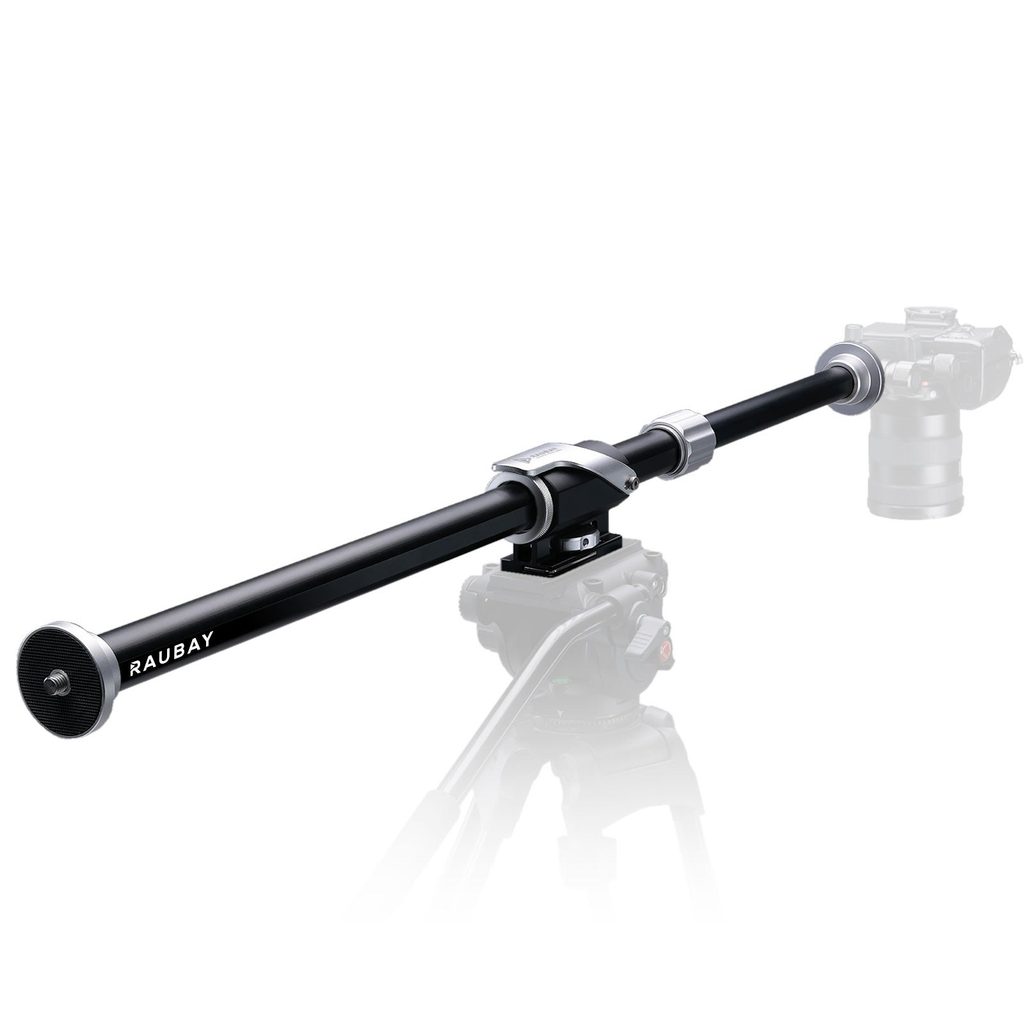
Modern hybrid shooters mount microphones, monitors, wireless receivers, and lights to a single camera body during interviews and event coverage. The threaded and dovetailed accessories that make this expansion possible turn a stock camera into a customizable rig without requiring a permanent modification. Brands like Raubay build cages, cold shoe extensions, and mounting rails specifically for creators who need to layer multiple attachments on a single body.
Camera Cages for Video Setups
A cage wraps around a mirrorless or DSLR body and provides multiple threaded holes for mounting accessories. NATO rails, ARRI rosettes, and cold shoes on the top plate distribute microphones, monitors, and lights without stressing the camera’s built-in hot shoe, which was never designed to bear the weight of stacked accessories.
Cold Shoe Adapters and Extensions
A single cold shoe on the camera limits what you can attach. Adapters that split one shoe into two or three, or that extend outward on a small arm, let you add a shotgun microphone and a wireless receiver simultaneously. Combined with a cage, this expands the practical capacity of the camera to handle demanding shooting environments.
Clamps, Magic Arms, and Positioning Hardware
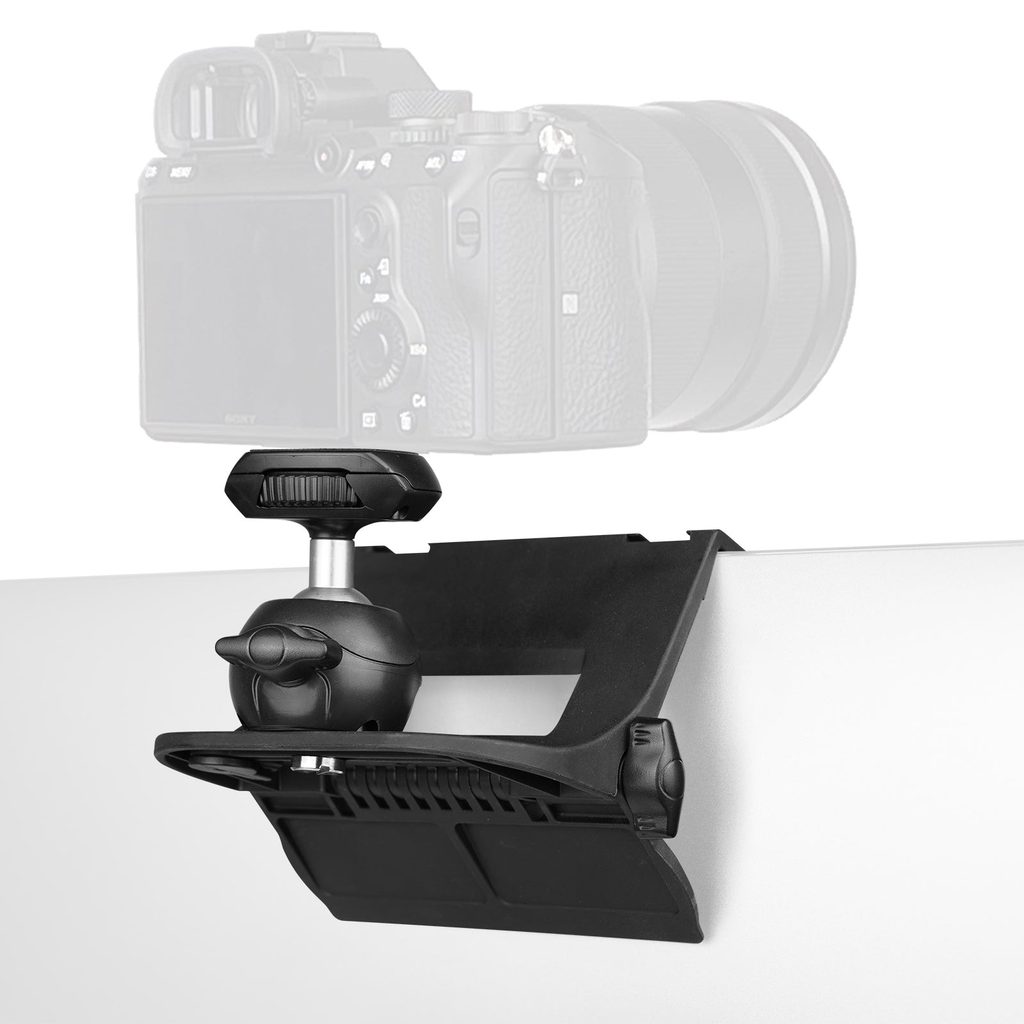
Studio work often requires holding a small light, a reflector, or a smartphone in a precise position where no tripod can reach. Clamps and articulating arms fill that gap by grabbing onto a shelf edge, a table lip, or a light stand crossbar and extending a mounting point exactly where you need it.
Super Clamps for Rigid Attachment
A super clamp uses a wide jaw and a screw mechanism to grip pipes, boards, and stands from half an inch to two and a half inches thick. Attach a magic arm to the clamp and you gain a mounting point that can hold a camera, a small light, or a monitor at almost any angle. Location photographers use super clamps to attach lights to door frames, railings, and rafters when floor space is limited.
Magic Arms and Ball Joints
Articulating arms with locking ball joints allow micro-adjustments in three dimensions. Loosen a single central knob, position the mounted accessory, and tighten it back down to lock everything in place. This flexibility makes magic arms indispensable for behind-the-scenes cameras, product photography setups where you need a light in a tight corner, or video rigs that require monitors at unusual angles.
Threading Standards Worth Knowing
Photography hardware uses two main thread sizes, and confusing them at the worst moment can strip threads on expensive gear. Understanding the standards prevents accidental cross-threading and helps you build a kit that connects reliably without hunting for adapters.
Quarter Inch and Three Eighths Inch Threads
The quarter-inch thread is the smaller of the two and appears on most consumer cameras and small accessories. The three-eighths-inch thread is larger and appears on professional tripods, heavy-duty heads, and studio hardware. Reducer bushings convert a three-eighths hole to accept a quarter-inch screw, and keeping a few of these in every kit prevents delays when swapping between formats.
Anti-Twist Pins and Safety Features
Better plates and brackets include anti-twist pins or rubber grip surfaces that prevent the camera from rotating on its mounting screw during long shoots. This detail matters when you rely on repeatable framing for time-lapse work, panorama stitching, or focus stacking sequences that depend on precise camera positioning.
Small Hardware, Big Consequences
The pieces of gear that connect your camera to everything else deserve the same scrutiny you apply to lenses and bodies. A dropped camera, a slipped framing shot, or a rig that collapses mid-interview all trace back to hardware choices made months earlier when a photographer decided a generic clamp or a knockoff plate was good enough. Investing in reliable mounting accessories from established makers costs a fraction of the gear they protect, and the peace of mind of knowing your setup will hold through a full day of shooting is worth every dollar. Standardize on the Arca-Swiss profile, keep reducer bushings and safety clamps in your kit, and treat mounting hardware as the load-bearing foundation it actually is. Do that, and the small pieces stop being potential failure points and start being the quiet backbone of every successful shoot.
