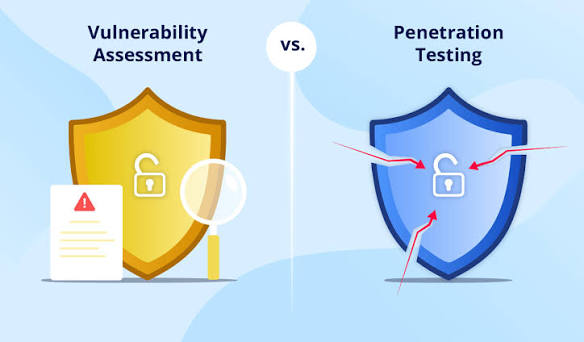
Security teams often talk about penetration testing and vulnerability scanning as if they’re the same exercise with two names. They aren’t, and treating them that way can lead to a scan that never gets validated, or a test that never gets repeated. A closer look at how these two disciplines fit together is worth reading here.
Two Different Questions, Not Two Versions of the Same Test
Scanning is automated and broad. It checks for known issues like unpatched CMS plugins, weak TLS configurations, and default admin credentials left over from setup, and returns a list. Testing is manual and narrow by comparison: a tester takes that list and tries to actually use it, seeing which entries can be strung into something an attacker could walk through.
- Scanning asks what’s currently exposed. It answers the question at scale, across every asset, on a repeatable schedule.
- Testing asks what’s reachable. It answers the question in depth, on a handful of paths, at a single point in time.
Neither answer replaces the other. A list without an exploitability context tells you where to start looking. An exploit demonstration without ongoing scanning tells you your environment was secure on one specific day.
Where the Risk Hides
Consider a scan that returns three findings: a medium-severity misconfigured storage bucket, a low-severity exposed internal API endpoint, and a high-severity outdated authentication library. By CVSS score alone, the authentication library looks like the priority.
The priorities often change during a penetration test. If a tester finds that the “low-severity” API endpoint leaks a token that unlocks the “medium-severity” bucket, and that bucket holds credentials for the authentication system itself, three unrelated-looking findings become one full compromise path. None looked urgent alone. Chained together, they’re the most serious issue in the report. This is the gap a findings list alone can’t close, because it shows what exists, not what connects.
Why Neither Method Works Alone
A scan run without periodic testing behind it produces a long list with no sense of which entries are dangerous together. A test run without ongoing scanning behind it validates one moment and goes stale the day after. A new deployment or a changed access rule can open a path that won’t be checked again until the next engagement rolls around.
Making the Combination Operational
The harder part isn’t accepting this in theory. It’s building a workflow where scan output and test findings talk to each other instead of living in separate reports. TopScan’s correlation view flags when a newly discovered scan finding touches an asset that a previous pen test already reached, so a “low-severity” endpoint sitting next to a known compromise path doesn’t get lost in a queue of hundreds of unrelated items.
That correlation only matters if someone acts on it. TopScan pushes flagged chains to the engineer who owns the affected asset, rather than leaving a general finding for whoever picks up the next ticket. This way. A three-part chain like the one above gets one named owner instead of three separate low-priority tickets nobody connects.
Conclusion
Penetration testing vs vulnerability scanning isn’t a choice between two competing methods. It’s a question of sequencing. Scanning catches what changes; testing confirms whether the riskiest combinations of “minor” findings actually add up to a breach. The teams that get the most out of both are the ones watching for where the two overlap.