Fresh-ground coffee tastes dramatically better than pre-ground alternatives, but not everyone needs the precision grinding capabilities of expensive burr systems. For many coffee drinkers, speed and simplicity matter more than achieving exact particle uniformity, especially during busy mornings when time is limited.
The grinding method you choose shapes not just convenience but also the flavors that end up in your cup. Different brewing styles require different grind sizes, and understanding how various grinders achieve these sizes helps you match equipment to your actual needs rather than aspirational ones.
How Fast Grinding Works
Blade-based systems use rapidly spinning blades to chop coffee beans into progressively smaller pieces. Unlike burr grinders that crush beans between two surfaces to create uniform particles, blade systems work more like a food processor—the longer you run them, the finer the grind becomes. This simplicity means fewer moving parts, easier cleaning, and lower costs.
The blade’s shape and speed determine grinding efficiency. Angled blades create a circulation pattern that moves beans around the chamber, helping achieve more even results. Higher speeds reduce grinding time but can generate slight heat from friction. For most home use, this heat doesn’t reach levels that noticeably affect flavor, especially if you grind only what you’ll use immediately.
Particle size distribution in blade grinding varies more than in burr systems. You’ll have a mix of fine powder, medium grounds, and some larger pieces. For brewing methods like drip coffee or French press, this variation actually works fine. The different-sized particles extract at slightly different rates, creating complexity in the cup that some coffee enthusiasts appreciate.
When Simple Grinding Makes Sense
If your primary brewing method is drip coffee or cold brew, you don’t need the precision that espresso demands. These methods are forgiving about particle size because extraction happens over several minutes, allowing time for different-sized particles to contribute flavor. A blade coffee grinder produces perfectly acceptable results for these applications.
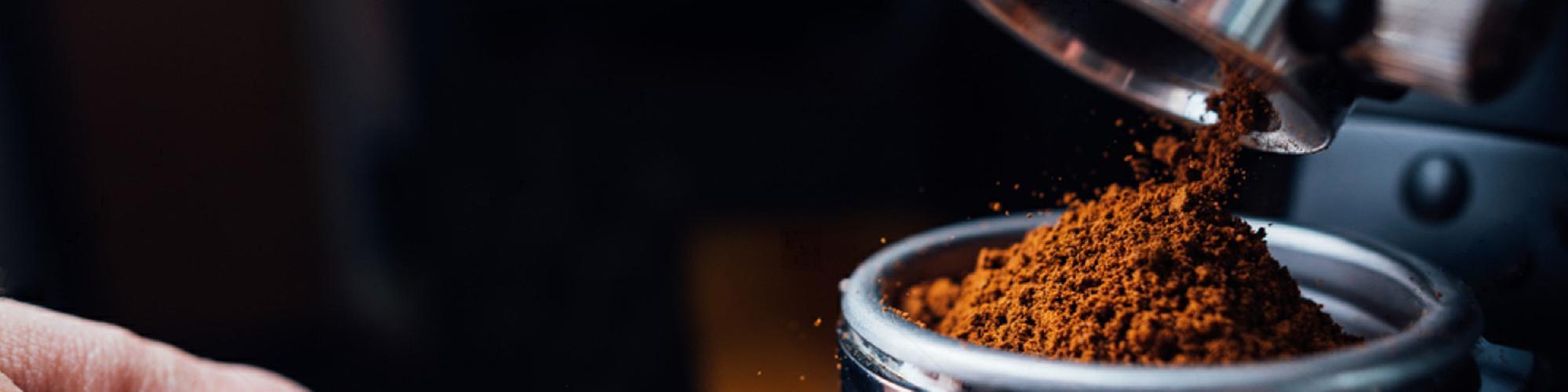
Capacity needs vary by household size. Smaller grinders hold enough beans for one to two cups, ideal for individuals or couples. Larger models accommodate up to three-quarters of a cup of beans, sufficient for making a full pot or preparing several days’ worth of cold brew concentrate. Models from SHARDOR offer various capacities to match different usage patterns without wasting counter space.
Cost considerations make blade systems attractive entry points for people new to grinding their own coffee. Spending less upfront lets you confirm that you’ll actually grind fresh coffee regularly before investing in more expensive equipment. Many users find that simple grinders meet their needs indefinitely, making the upgrade unnecessary.
Technique Tips for Better Results
Pulse grinding rather than continuous running gives you more control over particle size. Short bursts prevent overheating and allow you to check consistency as you go. This approach also helps achieve more even results because it redistributes beans between pulses, ensuring all beans get cut rather than some staying whole while others turn to powder.
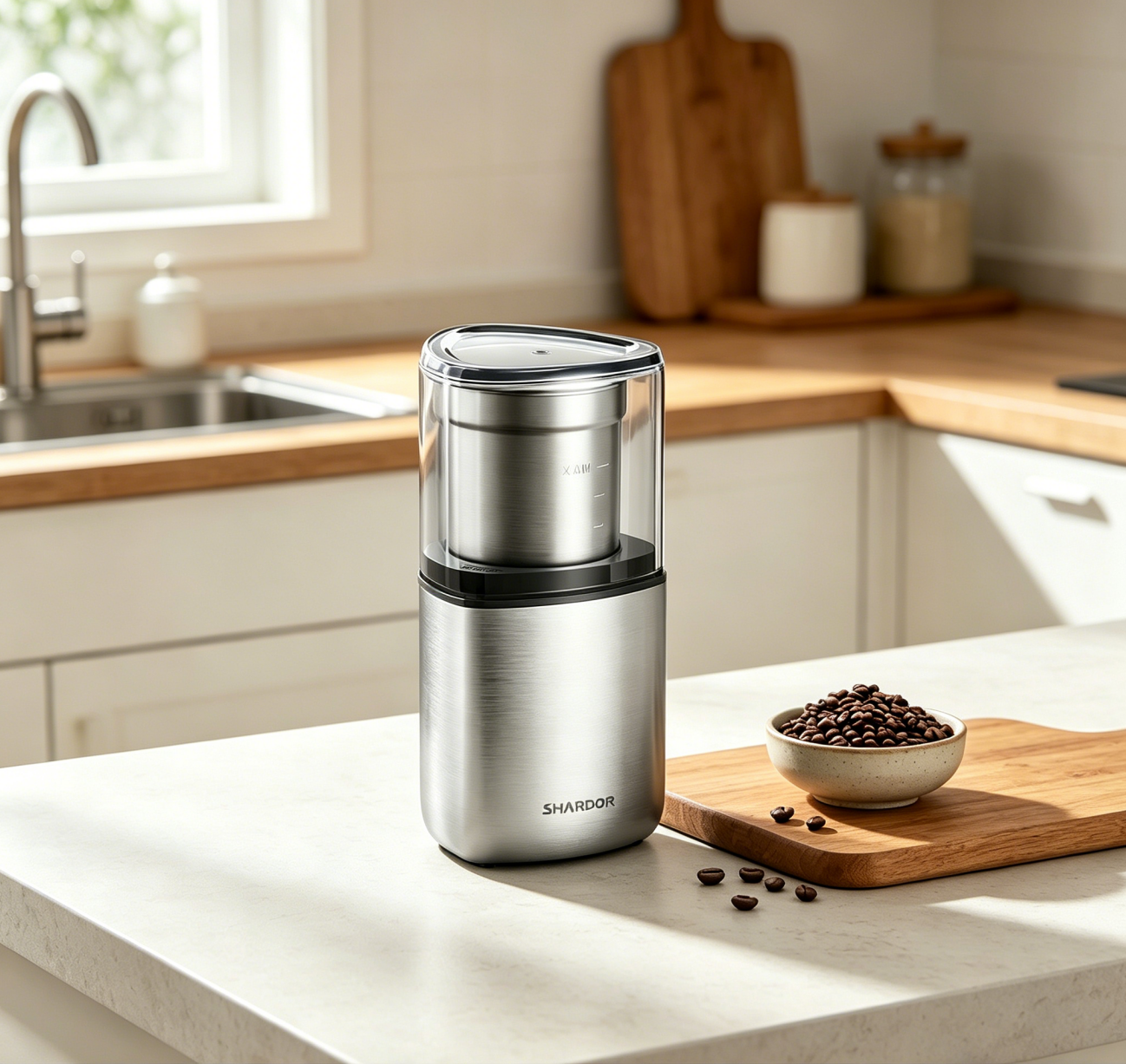
The amount of beans you grind at once affects consistency. Filling the chamber too full prevents proper circulation, leaving some beans large while others over-process. Filling only halfway to two-thirds full allows beans to move freely, producing more uniform grinding. For larger batches, grind in multiple smaller portions rather than overloading.
Shaking or tilting the grinder during pulsing helps redistribute beans, but do this only when the blade has stopped moving for safety. This technique particularly helps near the end of grinding when some larger pieces might sit at the bottom, protected from the blade by finer grounds above them.
Timing your pulses creates repeatable results once you find your preferred grind. Most drip coffee works well with fifteen to twenty seconds of pulsing. French press needs less—around ten to fifteen seconds for coarser grounds. Cold brew sits somewhere in between. Recording your preferred timing for different brewing methods eliminates guesswork.
Matching Grind to Your Brewing Style
Drip coffee makers work best with medium grind that resembles granulated sugar. This size allows water to flow through at the right speed—fine enough to extract flavor but coarse enough to avoid clogging filters or creating muddy sediment. If your coffee tastes weak, grind slightly longer next time. If it’s bitter or over-extracted, reduce grinding time.
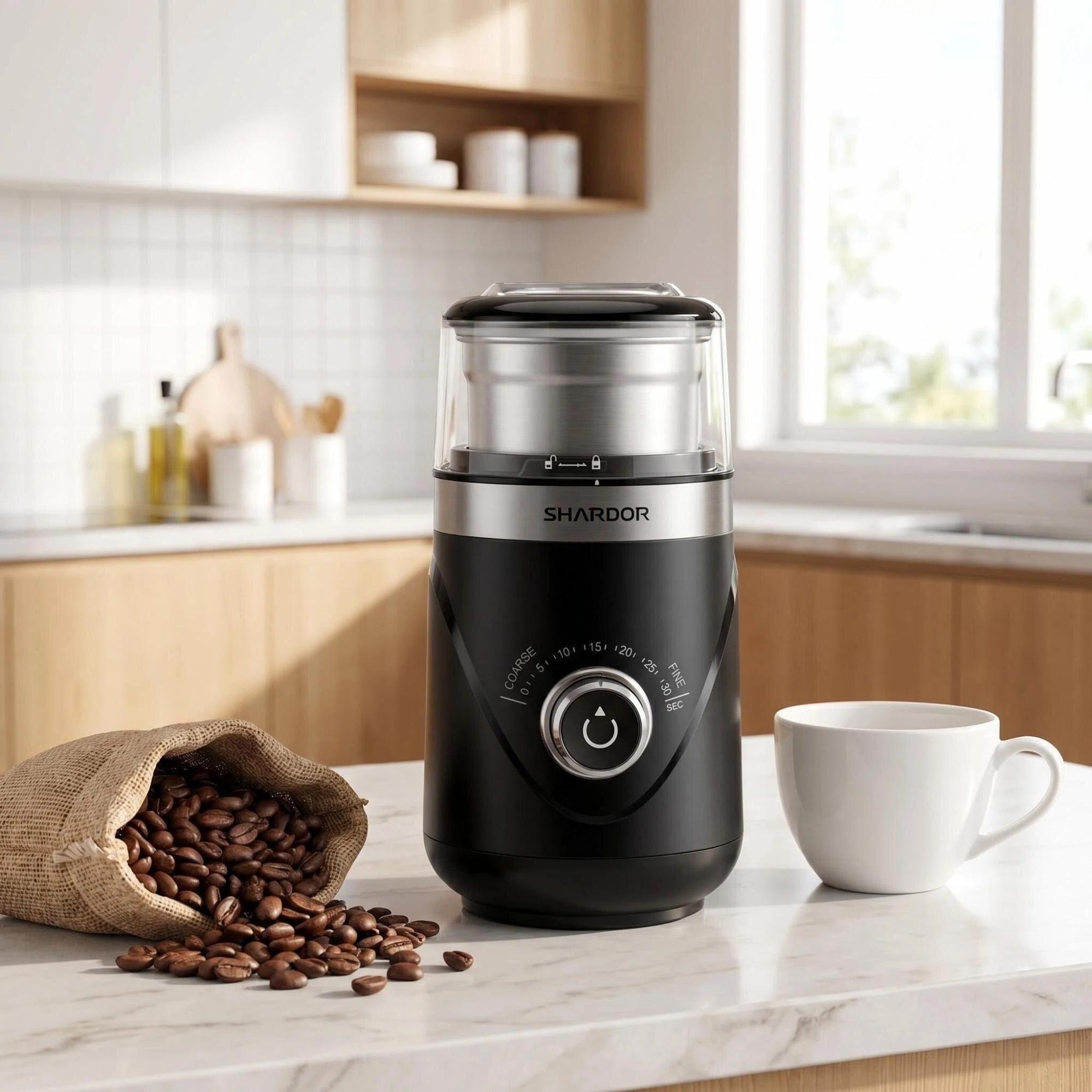
French press requires coarser grinding to prevent small particles from passing through the metal filter into your cup. The larger particles also extract more slowly, which suits the four-minute steeping time that French press uses. Too fine, and you’ll get muddy coffee with unpleasant sediment.
Cold brew benefits from coarse to medium-coarse grinding. The extended steeping time—typically twelve to twenty-four hours—means even larger particles have plenty of time to contribute flavor. Finer grinds can create excessive bitterness during long extraction periods.
Pour-over methods sit in the middle, generally preferring medium to medium-fine grinds. The exact sweet spot depends on your pour-over device and technique. Experimentation finds what works best, adjusting grind time until brew time and flavor align with your preferences.
Keeping Your Grinder Working Well
Coffee oils accumulate on the blade and chamber walls over time, eventually turning rancid and affecting fresh coffee’s taste. Cleaning every few weeks prevents this buildup. Most grinders have removable parts that wash easily with soap and water. Ensure everything dries completely before reassembling to prevent moisture issues.
Grinding a small amount of white rice occasionally helps scrub away stubborn oil residue. The rice acts as a gentle abrasive, cleaning surfaces while itself being ground. Discard the rice powder afterward and wipe the chamber with a dry cloth. This method works between deeper cleanings to maintain freshness.
Blade sharpness doesn’t degrade significantly with home use, as you’re cutting relatively soft coffee beans rather than hard materials. However, if you notice grinding taking progressively longer, the blade might have dulled or bent. Most grinders don’t have replaceable blades, but their low cost makes replacement feasible if performance declines noticeably.
Moisture is the enemy of both coffee beans and grinder mechanisms. Store beans in an airtight container away from humidity, and never grind beans that have been refrigerated or frozen without letting them come to room temperature first. Condensation can damage the motor and cause grounds to clump.
Fresh Ground Coffee Without Complexity
The gap between pre-ground and fresh-ground coffee is larger than the gap between different grinder types. Upgrading to any grinder, even a simple blade model, transforms your coffee’s flavor more than switching between expensive beans. The aromatics that escape from pre-ground coffee never make it into your cup, while fresh grinding preserves them.
For most home coffee drinkers, a straightforward blade grinder provides the right balance of cost, convenience, and quality improvement. It removes barriers to better coffee without adding complexity to your routine. If you later develop interests in espresso or pour-over precision, you’ll know enough about your preferences to make informed equipment choices. Until then, keeping it simple means you’ll actually use it every day.