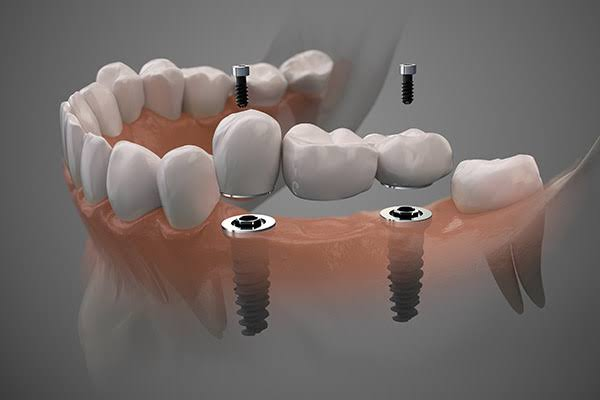
It is normal to lose a tooth due to any gum disease or injury, but there are a lot of side effects. Because one missing tooth can initiate a lot of problems in the normal functioning of your mouth. It can affect your ability to chew food and may interface with speech patterns. This is why to avoid such problems you should go with Dental Implants to get a replacement for your missing tooth.
Although the old methods like bridges and dentures can be helpful in restoring your missing tooth, in modern restorative dentistry Advanced Dental Implant Treatments is considered the most effective method to treat missing or decayed teeth. It is preferred because it is a permanent solution and preserves your natural teeth structure without any side effects.
What Is a Dental Implant?
In comparison to the traditional dental treatments for missing teeth, dental implants are not placed on the gums; they are placed directly with the jawbone to last them throughout your life.
Titanium is used to build a base of dental implants. This material doesn’t cause any harm to our teeth as our body accepts it and doesn’t react. With time through the process of osseointegration, the titanium infuses the tissues that are surrounding it. This compact formation builds a strong foundation and makes sure the whole crown stays fixed and compact.
How Implants Replace Missing Teeth: The Biological Advantage
When one tooth is lost then the space becomes empty and then during chewing mechanism that particular jawbone is no longer functional. This inability to to perform while chewing and speech drifts the pressure and then the bone tissues in that area begin to absorb. This mechanism can affect the neighbouring teeth and can disrupt its alignment. This change can further interface with chewing and if prolonged, can cause the sunken appearance of that side of your face.
In such scenario, the Advanced Dental Implant Treatment is way more beneficial than the old and traditional methods:
- Preventing Bone Loss: As the titanium gets infused with bone with the passage of time, that’s why it makes sure that the bone tissues are playing their part in the chewing and preserve the bone density permanently.
- Protecting Neighboring Teeth: The old procedure involves the help of two healthy teeth to build a foundation for the dental crown. But in dental implants there is no need to get support from neighbouring teeth; it can stand independently.
- Restoring Full Bite Force: As the dental implants are infused with the jawbones, that’s the reason you can bite and chew your food securely without any fear. As your teeth become stronger like your previous natural teeth.
The Step-by-Step Treatment Journey
The dental implants are time taking treatment. As these implants are going to be permanently placed in your mouth that’s why it demands a lot of precision and detailing. It is done in multiple stages to make sure that each and every step is done professionally without any mistake.
The different stages of dental implants are:
Phase 1 ( Surgical Placement)
Phase 2 ( Osseointegration)
Phase 3 ( Crown Placement)
Phase 1: Assessment and 3D Surgical Planning
In modern dentistry you will notice that they use highly advanced technologies and machines and in these the usage of Cone Beam Computed Tomography and 3D scans is very valuable due to their precision. With the help of these scans it is easy to examine the density of the bone, the whole nerve pathway and the right depth of the implant placement. In case the damage is more than expected then it is necessary to perform grafting treatment for a stronger foundation.
Phase 2: Implant Surgical Placement
To perform this surgical procedure the patient is given a dose of anesthesia, so that the surgeon would be able to place a titanium dental implant in the right position of the jawbone. After that the surrounding tissues are closed, so that they would cover the implant site. The patient may suffer discomfort after the operation is done but with the help of pain relievers you can overcome such discomforts.
Phase 3: Healing and Osseointegration
After the dental implants are placed into your mouth then there is a healing process called osseointegration which lasts about 3 to 6 months depending upon the patient’s healing power. During this time period the cells grow and infuse the dental implants to permanently lock it. To make this healing journey less painful and more smooth, temporary crowns are being worn onto the implants to maintain the aesthetics.
Phase 4: Abutment and Custom Crown Placement
Once the dental implants are completely healed then the next phase is abutments and placing custom crowns onto the dental implants. After attaching the abutments the crowns are customised by taking impressions from the patient’s teeth.
While preparing crowns, it is made sure that their colour, shape and appearance looks exactly to the patient’s original teeth. Then the crowns are finally placed and secured with the abutments. This step is the completion of the restoration of the missing teeth.
Bottom Line
Technology of all sorts has evolved so much and now people do not worry too much about losing their teeth because getting a dental implant has definitely become easier and seamless.
So, if you want to gain your confidence back and enhance your smile then you must get in touch with us at Today’s Dental.
