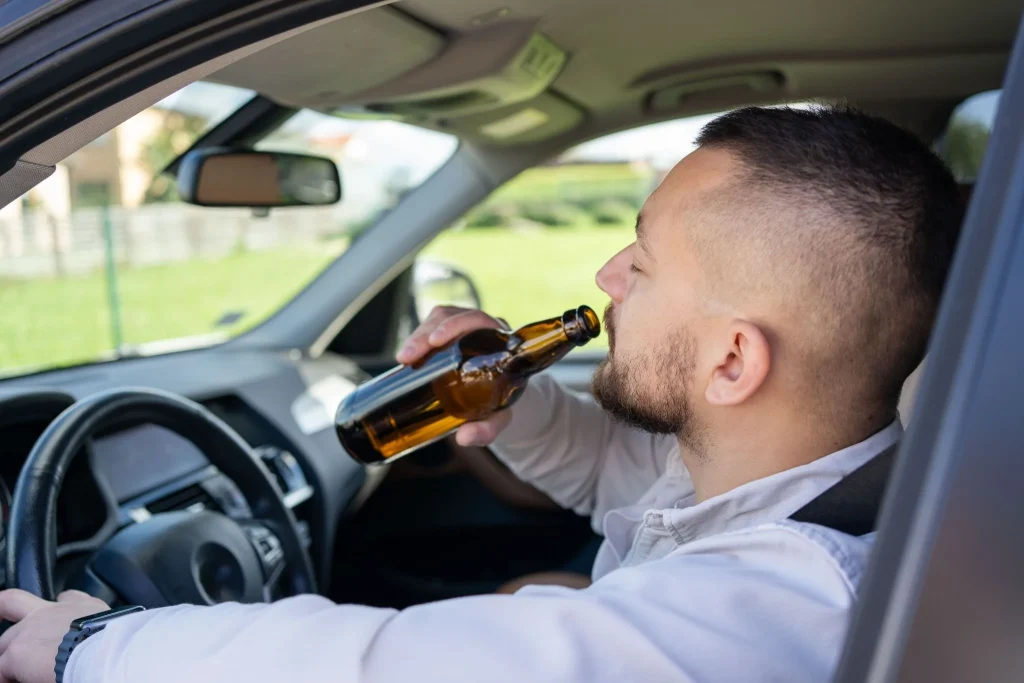
A drunk driving accident can seem like an open and shut case at first. A driver is arrested, a police report is filed, and it may appear that compensation should follow without much difficulty. Real claims rarely work that way. Several details that receive far less attention can shape the final outcome, even after fault seems clear.
People looking for legal help after DUI accident cases often learn that the value of a claim depends on much more than the driver’s intoxication. Looking at these overlooked factors gives a better picture of how compensation is evaluated and why every detail matters.
Why Compensation Is Not Based on Intoxication Alone
A drunk driver’s actions can lead to criminal charges, but a compensation claim follows a different path. Insurance companies and other parties still examine how the accident happened, how serious the injuries are, and how the losses are supported with evidence. Simply proving that the other driver had alcohol in their system does not automatically decide how much compensation may be available.
Every claim is reviewed on its own facts. Medical records, property damage, treatment costs, and the overall effect on daily life all become part of the discussion. The stronger the connection between the accident and the losses, the easier it becomes to understand the full value of the claim.
1. The Severity of Injuries Can Change Over Time
Some injuries become clear immediately, while others take days or even weeks before their full effects appear. Neck injuries, head trauma, or damage to joints may seem manageable after the accident but later require ongoing treatment or physical therapy.
A claim often reflects not only current medical expenses but also future care. If recovery takes longer than expected, the overall financial impact may increase. Looking only at early medical bills may not show the complete picture of what the accident has truly caused.
2. Delays in Medical Treatment Can Raise Questions
Receiving medical care soon after an accident creates a record that connects injuries to the crash. Waiting too long before seeing a doctor may leave room for questions about whether the injuries came from another event or became worse for unrelated reasons.
This does not mean every delay will reduce compensation. There can be valid reasons for waiting, but clear medical records usually provide stronger support throughout the claim process. Keeping appointments and following recommended treatment also helps show how the injuries have progressed over time.
3. Insurance Coverage May Limit What Is Recoverable
Many people assume compensation depends only on the seriousness of the accident. Insurance coverage often plays a large part as well. Every policy has limits, and those limits can affect how much money is available after a crash.
Some drunk drivers carry only the minimum required insurance, while others may not have insurance at all. Depending on the circumstances, other insurance policies may also become relevant. Understanding the available coverage helps explain why similar accidents can lead to very different financial outcomes.
4. Shared Fault Can Still Influence the Outcome
Even if one driver was under the influence of alcohol, investigators may still review the actions of everyone involved. They may consider issues such as speeding, traffic signals, visibility, or other driving behavior before deciding how responsibility is shared.
Different states follow different rules about shared fault, and those rules can affect compensation. A careful review of the evidence helps create a clearer understanding of how each person’s actions contributed to the accident instead of relying only on the DUI charge.
5. Evidence Beyond the Police Report Can Make a Difference
A police report provides valuable information, but it is only one piece of the larger picture. Other forms of evidence can strengthen or weaken a claim, including:
- Medical records that connect injuries to the accident
- Witness statements describing what happened
- Photos and videos from the crash scene
- Surveillance or dash camera footage
- Expert opinions that explain accident details
Together, these records create a more complete view of the accident and support the losses being claimed.
6. Some Losses Are Easy to Miss During Early Settlement Talks
Early settlement discussions sometimes focus on immediate expenses, but a serious accident can create financial effects that continue long after the damaged vehicle has been repaired. Ongoing treatment, reduced ability to work, and changes to daily activities may all influence the overall value of compensation.
Pain, emotional distress, and other personal losses may also be considered depending on the facts of the case. Looking beyond the first few weeks after the accident often reveals expenses that were not obvious at the beginning.
Final Thoughts
A drunk driving accident involves much more than proving that alcohol played a role. Medical care, insurance limits, evidence, future expenses, and several other hidden factors can all affect how compensation is evaluated. Every case brings different circumstances, which is why careful attention to every detail matters from the beginning.
People seeking legal help after DUI accident claims often benefit from understanding these overlooked issues before decisions are made, helping them approach the process with a clearer view of what may influence the final outcome.
