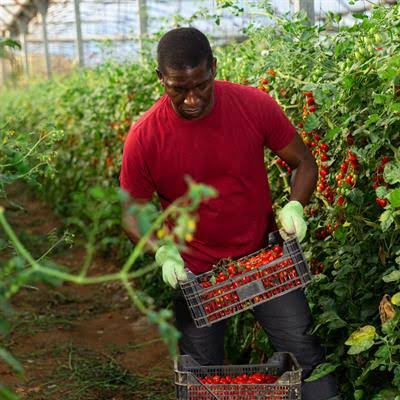
The moment a fruit or vegetable is severed from its parent plant, its lifeline is cut off. It no longer receives water, minerals, or photosynthesized sugars. Yet, harvested produce remains a living, breathing biological organism. It continues to consume its internal energy reserves, transpire moisture into the surrounding air, and gradually decay.
For farm managers, cold storage operators, distributors, and retailers, extending shelf life is a constant race against biological time. Unlocking maximum post-harvest freshness requires precise control over environmental factors, mechanical handling, and sanitation routines. Here are seven critical factors that determine how long fresh produce stays crisp, flavorful, and marketable after harvest.
1. Field Heat and Temperature Control
Quick Answer: Rapidly removing field heat after harvest and maintaining an uninterrupted cold chain slows internal enzymatic activity, microbial growth, and natural decay.
Temperature is the single most influential factor governing post-harvest quality. When crops sit in direct sunlight after picking, their internal core temperature remains elevated. This “field heat” accelerates metabolic breakdown and creates ideal conditions for bacterial and fungal growth.
Precooling methods—such as forced-air cooling, hydrocooling, and vacuum cooling—rapidly pull heat from harvested crops within hours of picking. Maintaining strict cold chain temperature management throughout transit and storage reduces cellular breakdown, doubles or triples shelf life, and keeps produce crisp for consumer displays.
2. Relative Humidity and Transpiration Control
Quick Answer: Maintaining high ambient relative humidity prevents water loss through transpiration, protecting produce from wilting, shriveling, and weight loss.
Fresh produce consists of 80% to 95% water by weight. Moisture constantly evaporates from plant tissues into the surrounding air through stomata and surface pores—a process known as transpiration. When storage air is dry, water loss accelerates, causing leafy greens to wilt, carrots to go limp, and apples to develop shriveled skins.
To maintain cellular turgidity without creating standing water droplets that promote mold growth, commercial cold storage rooms require precise humidity regulation. Installing high-performance industrial humidification systems maintains a consistent micro-fine moisture fog (typically 85% to 95% relative humidity). This prevents moisture evaporation, preserves product weight, and keeps produce looking fresh off the field.
3. Post-Harvest Respiration Rates
Quick Answer: High respiration rates consume internal sugar reserves quickly, accelerating tissue softening and shortening total storage life.
Even in cold storage, harvested crops break down stored starches, organic acids, and sugars through respiration, releasing carbon dioxide, water, and heat. Crops with an inherently high post-harvest produce respiration rate spoil much faster than those with low respiration rates.
- High Respiration Crops (Short Shelf Life): Asparagus, sweet corn, broccoli, spinach, and mushrooms.
- Low Respiration Crops (Long Shelf Life): Apples, potatoes, onions, garlic, and citrus fruits.
Storage managers must tailor environmental controls based on respiration profiles, ensuring high-respiration crops receive immediate, intense cooling.
4. Ethylene Gas Exposure and Sensitivity
Quick Answer: Ethylene gas acts as a natural ripening hormone; storing ethylene-producing crops near ethylene-sensitive produce causes premature softening and yellowing.
Ethylene is a naturally occurring plant hormone released as a gas. It triggers ripening, tissue softening, color changes, and eventual senescence. A major post-harvest mistake is storing high-ethylene producers alongside crops that are highly sensitive to the gas.
| Ethylene Producers | Ethylene-Sensitive Produce | Damage Caused by Exposure |
| Bananas, Apples, Tomatoes | Leafy Greens, Cucumbers | Rapid yellowing & leaf drop |
| Pears, Peaches, Melons | Carrots, Broccoli | Bitterness & florets turning brown |
| Avocados, Kiwifruit | Potatoes | Sprouting & internal discoloration |
Separating ethylene gas sensitivity produced from heavy ethylene emitters in storage facilities prevents premature spoilage across mixed inventory shipments.
5. Physical Handling and Mechanical Damage
Quick Answer: Cuts, punctures, and bruises destroy protective skin layers, releasing cellular nutrients that invite aggressive mold and bacterial infections.
Rough handling during picking, sorting, washing, or packing creates microscopic tears and bruises on delicate produce skins. Physical damage triggers a burst of localized respiration and ethylene production, causing nearby tissues to soften rapidly.
Furthermore, broken skin exposes sugary internal juices to airborne fungal spores like Botrytis cinerea (gray mold) and Penicillium species. Utilizing padded collection bins, automated gentle-drop sorting lines, and properly trained harvest crews drastically reduces mechanical injury rates.
6. Post-Harvest Sanitation and Pathogen Control
Quick Answer: Sanitizing wash water and storage surfaces stops cross-contamination and prevents post-harvest decay fungi from spreading between crops.
Field crops naturally carry soil residue, wild yeasts, fungal spores, and bacteria into the packing house. If wash tanks are not continuously sanitized, recirculated water acts as a massive cross-contamination bath, spreading decay pathogens from a single infected fruit to thousands of healthy ones.
Implementing strict sanitation protocols—including continuous water treatment with chlorine dioxide, peracetic acid, or ozone—kills floating spores. Regularly scrubbing storage crates, conveyor belts, and walls removes biological reservoirs before new crops arrive.
7. Storage Atmosphere (O2 and CO2 Balance)
Quick Answer: Lowering storage oxygen levels and elevating carbon dioxide puts produce into a state of metabolic hibernation, dramatically extending storage duration.
In standard air, oxygen makes up roughly 21% and carbon dioxide sits under 0.04%. Controlled Atmosphere (CA) storage rooms manipulate these proportions to slow crop metabolism down to a crawl.
By dropping oxygen levels to 1%–3% and raising carbon dioxide to 1%–5%, operators effectively put crops like apples, pears, and cabbages to “sleep.” This controlled atmospheric balance suppresses ethylene production and preserves crispness and flavor for up to 10 to 12 months.
Post-Harvest Quality Audit Checklist
Use this quick operational checklist to audit your post-harvest handling setup:
- [ ] Precooling Speed: Are crops entering precooling systems within 2 hours of field harvest?
- [ ] Cold Chain Integrity: Are loading docks temperature-controlled to prevent thermal spikes during loading?
- [ ] Humidity Levels: Is relative humidity monitored and maintained above 85% using dry-fog humidification?
- [ ] Ethylene Separation: Are ethylene-producing fruits segregated from sensitive vegetables in distinct storage rooms?
- [ ] Sanitizer Monitoring: Is wash water sanitizer concentration tested and logged every hour during packing runs?
- [ ] Air Circulation: Is there adequate airflow around pallet stacks to prevent stagnant heat and moisture pockets?
Preserving freshness after harvest requires managing an interconnected web of biological and environmental variables. By eliminating field heat quickly, maintaining optimal relative humidity, segregated storage based on ethylene sensitivity, and practicing strict sanitation, producers and distributors can minimize post-harvest losses, maintain peak crop quality, and deliver exceptional freshness from the farm all the way to the consumer’s plate.