Every home reaches a point where surfaces feel crowded, drawers refuse to close, and the dining table starts collecting things that have nowhere else to go. The fix is rarely another basket or a new shelf tucked into a corner. What most rooms actually need is a single, well-designed piece of furniture that quietly absorbs the overflow while adding warmth to the space. A sideboard does exactly that. It brings order without demanding attention, offers generous storage without feeling bulky, and gives a room a defined focal point that pulls the whole layout together. Whether the goal is to tidy a dining area, expand the entryway, or give a living room a cleaner silhouette, this one piece answers several problems at once. The rest of this guide walks through how a sideboard solves the storage puzzle in different rooms, what to look for in materials and proportions, and how to style it so it feels natural in the home rather than tacked on as an afterthought.
The Storage Problem a Sideboard Was Made to Solve
Open-plan living looks beautiful in photos, but in daily life it creates a specific challenge: fewer walls means fewer places to hide the practical stuff of everyday life. Table linens, serving bowls, board games, chargers, spare candles, seasonal dishware — all of it needs somewhere to go, and none of it belongs on display. A sideboard offers a low, horizontal container that pulls double duty. Behind the doors and inside the drawers you get real, usable storage. On top, you get a working surface for a lamp, a tray, a vase, or a buffet spread when friends are over. The design has been solving this exact problem for generations, which is why it still feels fresh in contemporary rooms. A well-placed sideboard can turn a blank wall into the most useful piece of real estate in the room, without visually shrinking the space the way a taller cabinet would.
Choosing the Right Silhouette for Your Space
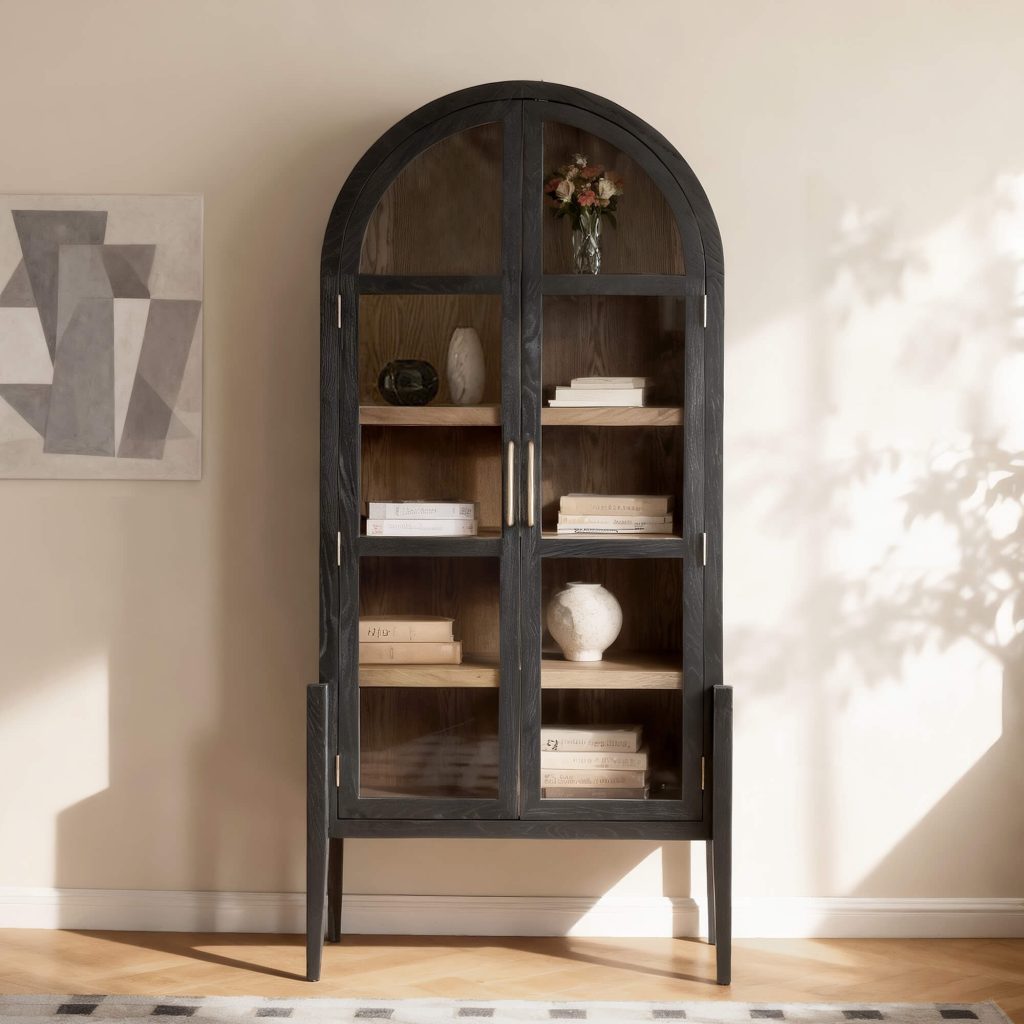
Sideboards come in a wider range of shapes than most people realize, and the silhouette you choose has a bigger impact on the room than the finish or hardware. Long, low profiles tend to stretch a room visually, which works well in narrow dining areas or under a large piece of wall art. Taller, arched, or cabinet-style silhouettes reach higher and provide extra interior height, which is useful when you want to store items upright rather than stacked. If the room has a strong architectural feature — a fireplace, a wide window, a gallery wall — a horizontal sideboard beneath it can anchor the composition. If the room feels flat or lacks vertical interest, a piece with more presence can add the missing dimension. Think about what the space needs before you fall in love with a specific design.
Materials That Age Well
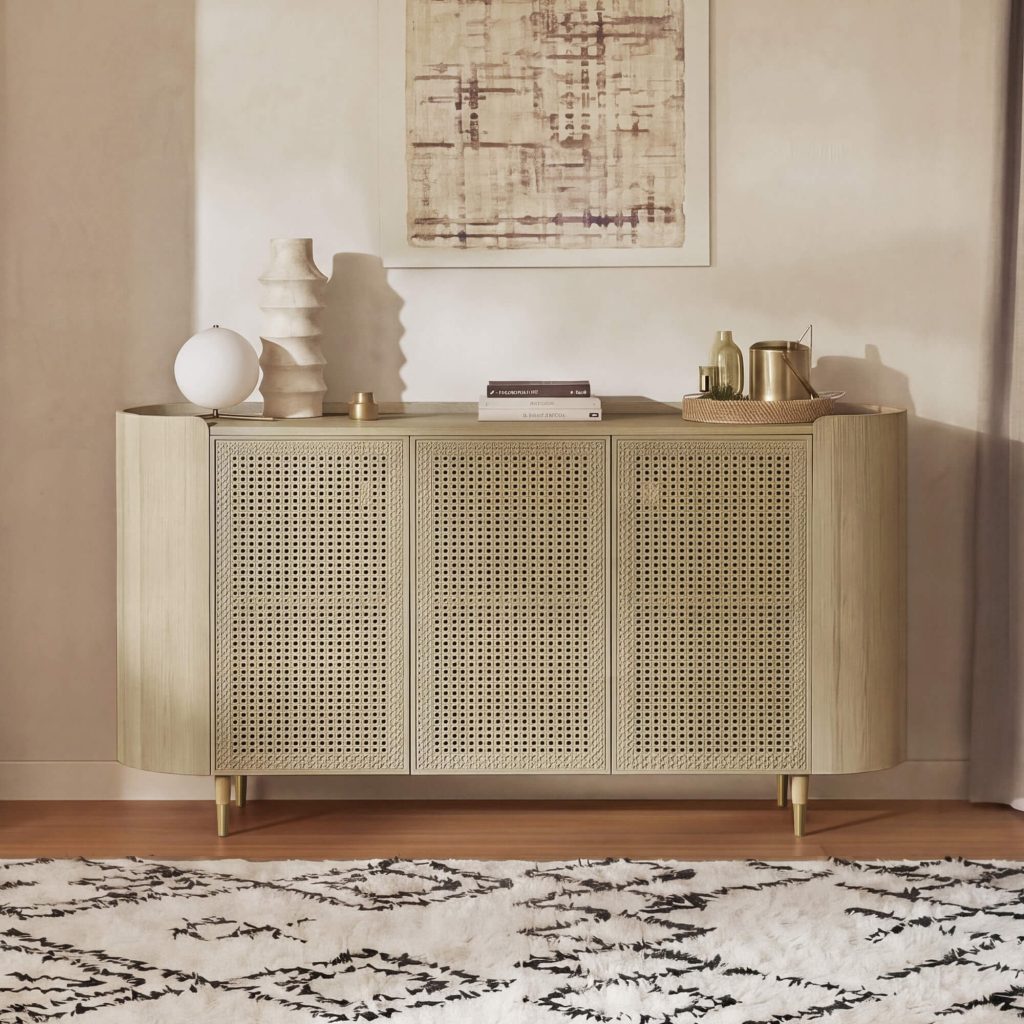
Because a sideboard sits in the open and serves as both storage and surface, the material matters more than it does for pieces tucked into corners. Solid wood and quality veneers develop character over the years, taking on a soft patina from daily use. Woven rattan panels bring a lighter, more textural feel that pairs beautifully with softer palettes and coastal or Scandinavian interiors. Painted finishes offer color and personality but tend to show wear on edges and around handles, so consider how carefully the piece will be treated. For households with children or frequent gatherings, look for finishes that resist water rings and heat, and drawer runners that glide smoothly even when loaded. Brands with a furniture background, such as CHITA LIVING, tend to publish clear information about construction details, which makes it easier to compare pieces on more than surface appearance.
Where a Sideboard Actually Fits Best
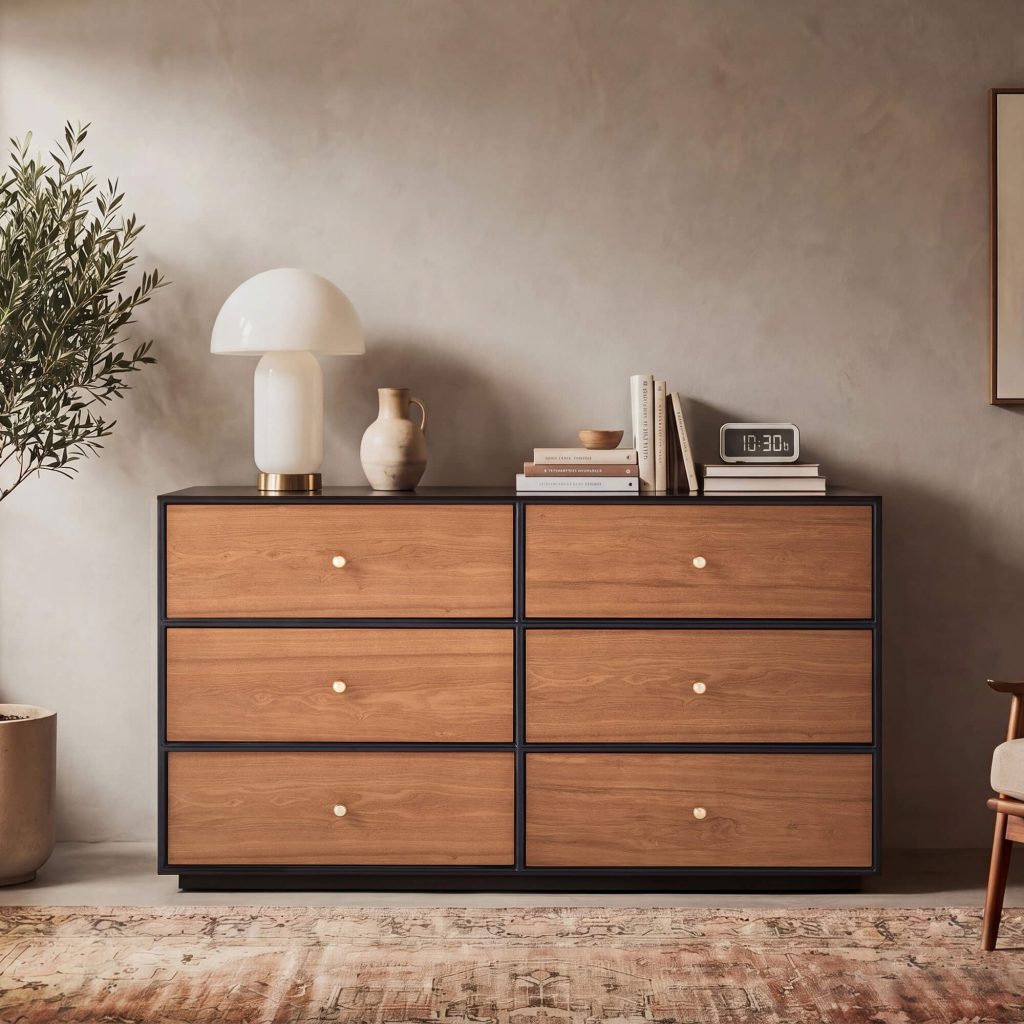
The traditional home for a sideboard is the dining room, and that role still makes sense. It gives dinnerware, linens, and serving pieces a home right where they are used, and the top becomes a natural staging area for meals. But the piece is far more flexible than that. In an entryway, a shallow sideboard becomes a landing zone for keys, mail, and bags while offering a place to display a lamp or a mirror above. In a living room, it can replace a bulky media console, holding books, remotes, and cables while looking far more intentional. In a bedroom, it works as an alternative to a standard dresser, especially in rooms where visible drawers feel too utilitarian. Some people even use one in a home office to hide files, cables, and printer paper behind clean doors. The trick is matching the depth and height of the piece to the room’s needs, not just its footprint.
Styling the Top Without Cluttering It
The surface of a sideboard invites decoration, and it is easy to overdo it. A useful rule is to give the top three zones: something tall on one side, something sculptural or grouped in the middle, and something low or trailing on the other side. A table lamp, a bowl or tray, and a small plant will handle this arrangement in almost any room. Layering a piece of artwork or a mirror on the wall above draws the eye up and prevents the sideboard from feeling like an isolated island. Avoid lining the surface with too many small objects — the effect turns busy quickly and undermines the calm the piece brings to the room. When in doubt, edit down. A cleaner top makes the storage below feel more purposeful.
Making the Interior Work Harder
Storage volume is only useful if you can find things inside it. Adjustable shelves let you customize the space for wine glasses, platters, or taller bottles as your needs change. Drawers with dividers keep flatware and linens from turning into a jumble. If the piece has both open and closed sections, use the open shelves for items you want to reach quickly and the closed compartments for anything visually noisy. Grouping items by category, using low bins or trays inside drawers, and leaving a little breathing room on each shelf keeps the interior manageable. A sideboard should reduce daily friction, not add to it.
Coordinating With the Rest of the Room
A sideboard rarely lives alone. It shares the room with a dining table, a sofa, a bed, or a console, and the visual conversation between those pieces matters. You do not need everything to match, but you do need a common thread — a shared wood tone, a repeated metal finish, a consistent design vocabulary. Mixing warm oak with cool grey upholstery works when the shapes echo each other; combining ornate carving with minimalist lines can feel jarring even when the colors agree. Rugs, curtains, and lighting all play a supporting role in tying the piece into the space. Take a step back after the sideboard is in place and see whether the room feels balanced or top-heavy on one side.
Why It Feels Like a Long-Term Purchase
Because a sideboard is neither a chair you sit in every day nor a table you eat on, it tends to outlast trends. The same piece can move from a dining room in one home to an entryway in the next, or from a bedroom into a living room when priorities shift. That flexibility is part of what makes it worth investing in something well built rather than swapping styles every few years. A thoughtfully chosen sideboard grows with the home. It absorbs new uses, holds onto memories in the form of the objects it displays, and quietly becomes one of those pieces of furniture you stop noticing because it is simply doing its job.
A Quiet Fix for a Room That Feels Overwhelmed
When a home starts to feel cluttered or a room lacks a clear anchor, the answer is usually not more storage boxes or another quick decorative fix. It is a single piece of furniture that combines function, presence, and longevity in one design. A well-chosen sideboard checks all three boxes. It hides the mess of daily life, offers a surface that supports lighting, decor, and hosting, and adds architectural weight to a wall that would otherwise sit empty. Take the time to consider silhouette, material, and where the piece will actually live before shopping. Think through the interior configuration and how the surface will be styled. Look at brands like CHITA LIVING that document their construction and offer designs across silhouettes and finishes. Do that work up front, and the piece you bring home will feel less like a purchase and more like a long-term partner in keeping the home calm, organized, and quietly beautiful.
