Most homes do not have a storage problem so much as a container problem. The baskets get bought, the clutter gets moved into them, and three weeks later the room looks exactly as it did before, except now there are six baskets in it. The containers were never the issue.
Organizers who do this professionally tend to work in the opposite order, deciding what belongs in a room before deciding what will hold it. That sequence is the difference between storage that quietly absorbs daily life and storage that becomes another surface to clear.
What Makes Storage Solutions Fail in a Living Room?
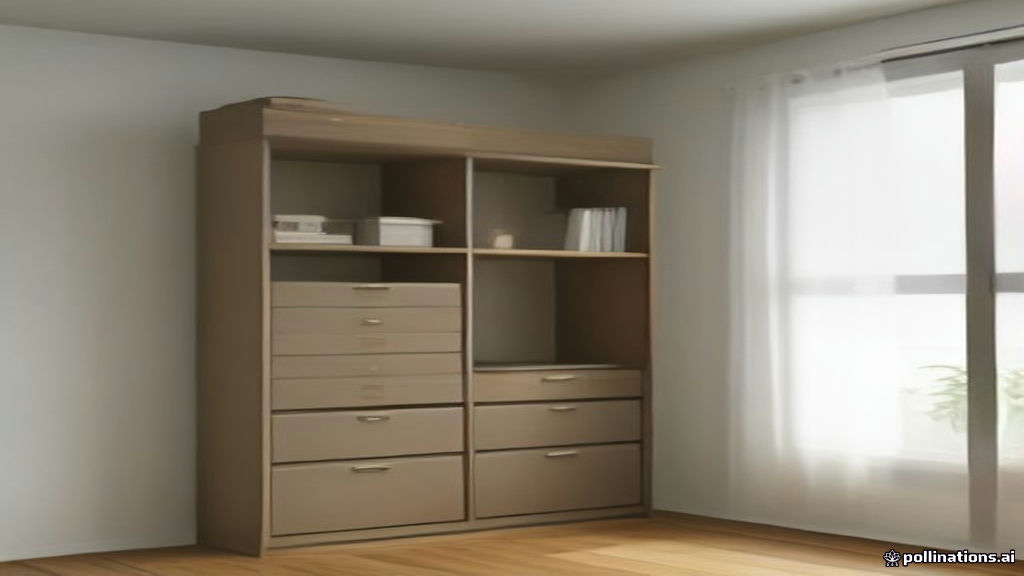
Laura Cattano of Laura Cattano Organizational Design points to an imbalance between open and closed storage as a primary culprit. Her rule is blunt and useful: “Open shelves should be for decorative items,” with drawer units and cabinets taking the office supplies, spare cords, and book overflow that make shelving look chaotic.
Buying before editing is the other common failure. Ryan Eisland of Home Sort advises decluttering first for a practical reason, which is that containers bought in advance simply get filled with the things you were about to part with. Storage solutions purchased at the end of that process tend to be smaller, cheaper, and better matched to what actually stays.
Open and Closed Storage Solutions Do Different Jobs
Think of the two as serving different audiences. Open storage is for the things you want visible, either because they earn their place visually or because you reach for them several times a day. Closed storage takes everything that is necessary and unlovely: chargers, batteries, paperwork, the remote that belongs to a device nobody has owned since 2019.
Rooms go wrong when one type does all the work. Nothing but open shelving turns daily mess into permanent display, while nothing but cabinets means the things you use constantly live behind doors and end up on the coffee table instead. Cattano’s fix is to sort belongings by how often they are used, then give the frequent items the easiest homes.
Matching Storage Solutions to the Room Rather Than the Container Aisle
Designer Audrey Scheck recommends choosing baskets that match the decor already in place, working with woven, wire, or fabric depending on the room. That advice sounds cosmetic and is actually practical, because storage chosen to match gets left out in the open where it stays useful, while storage that clashes gets hidden in a closet and forgotten.
Material is the fastest way to get this right. Rattan, seagrass and cotton rope read as texture rather than utility, which is why they survive in living rooms where plastic bins do not. Casa & Beyond covers this ground with storage solutions spanning rattan baskets, woven rope bins, bamboo cable boxes and wall hooks between $29.99 and $79.99, with free shipping and a 30-day money-back guarantee. The Container Store, IKEA and Yamazaki all serve the same need, the first leaning more expensive per piece and the last more sculptural than most rooms need. The same logic that turns a tissue box into a design detail applies to everything else that has to live in plain sight.
Sizing a Basket Before You Buy It
Home organizer Sabrina Gardener warns that “bigger is not always better when it comes to basket storage,” because a large empty basket is an invitation to fill it. Her guidance is to size the container to its contents, using a mini basket for keys and phones and saving “the bigger storage containers for oversized items only.”
Measure the shelf before ordering, not after. Baskets that sit a half inch too deep stop a cabinet door closing, and baskets an inch too tall stop a drawer opening, which is how good storage ends up in the garage.
Do You Need Matching Storage Solutions Throughout?
Matching sets photograph well and rarely survive contact with a real household. Scheck’s position is that few baskets are needed at all, provided they are used with intention, and Gardener cautions against putting one on every available surface, which overwhelms a room and eats the workspace you were trying to clear.
Consistency of material matters more than consistency of product. Three different woven baskets in similar tones read as deliberate, while six identical plastic tubs read as a storage unit. Rooms that feel calm usually repeat two or three materials rather than one product line, the same principle that makes a sofa feel like somewhere to relax rather than furniture.
Storage Solutions for the Spots That Collect Clutter Fastest
Clutter concentrates in predictable places, and those are worth solving before anything else:
- The entryway drop zone – one small basket for keys, cards and sunglasses
- Cords and chargers – a cable box or a single charging station, which Cattano names as a fix for the messiest offender in most living rooms
- Open shelving – baskets to absorb the non-decorative items that creep onto display shelves
- Under furniture – flat bins for the things used seasonally rather than weekly
- The coffee table – nothing permanent, since this surface is the first to collapse
- Bedside – a tray or small organizer, enough for a book and a charger and no more
Making Storage Solutions Hold Up Past the First Month
Systems fail at the reset, not at the setup. Home management expert Chelsi Jo keeps a basket for each family member, collecting their belongings through the day and emptying it at bedtime, which turns tidying into a five-minute habit rather than a weekend project.
Give every container one job and keep a little air in it. Storage filled to the brim has nowhere to put the next thing, so the next thing stays on the counter. Bedrooms reward the same restraint, where warmth comes from layering textiles rather than accumulating objects, and the room reads as calm because there is less in it to tidy.