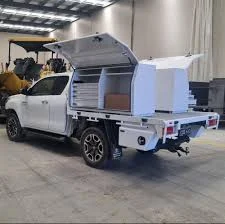
Investing in a ute toolbox can significantly enhance the storage capacity and organisation of any utility vehicle. Whether for work, leisure, or general transport, having the right toolbox ensures tools and equipment are safely stored, easily accessible, and protected from the elements. With numerous options available on the market, selecting the perfect ute toolbox requires careful consideration of various factors to meet specific vehicle needs and individual preferences.
Understanding the Purpose of a Ute Toolbox
A ute toolbox is designed to fit securely on the tray of a utility vehicle, providing additional storage space. Primarily, it serves to store tools, machinery, and other essential items in an organised manner. For professionals such as tradespeople and contractors, it acts as a mobile workshop, offering convenience and security. Additionally, some users also utilise toolboxes for recreational equipment, ensuring gear remains organised during transportation.
Material Considerations
The first factor when selecting a ute toolbox is the construction material. Common materials include aluminium, stainless steel, and plastic composites. Aluminium toolboxes are valued for their lightweight properties and resistance to corrosion, making them ideal for all-weather use. Stainless steel provides enhanced durability but usually weighs more than aluminium. Plastic composites are often sought for their cost-effectiveness and flexibility, although they may not offer the same level of robustness.
Aluminium vs Stainless Steel
Aluminium ute toolboxes are ideal for those prioritising ease of installation and fuel efficiency due to lighter weight. They withstand rust and moisture, crucial in humid or coastal environments. Stainless steel toolboxes, while heavier, offer exceptional strength and longevity, particularly suited to heavy-duty applications where impact resistance is necessary. Deciding between these materials depends largely on the type of usage and budget constraints.
Size and Capacity
The size of a ute toolbox is critical and should be matched to the dimensions of the vehicle’s tray. Oversized toolboxes may interfere with vehicle operations and balance, while undersized versions might not accommodate all required tools. It is important to measure the available space accurately and consider the volume of storage needed based on typical cargo. Some toolboxes offer adjustable or modular compartments to maximise internal capacity efficiently.
Security Features
Security is an essential aspect of ute toolbox selection. Since these boxes often contain valuable equipment, robust locking mechanisms are necessary to prevent theft. Many models feature central locking systems, weatherproof seals, and reinforced hinges to resist tampering. Some provide options for key or combination locks, while more advanced versions may include electronic locks. Assessing the security features in line with the environment and security concerns is vital.
Weather Resistance
Due to exposure to outdoor elements, weather resistance is a prime consideration. A quality ute toolbox should be waterproof and dustproof to protect contents from rain, dust, and dirt. Rubber seals and tight-fitting lids contribute to this protection. Additionally, UV resistance in materials helps prevent degradation over time when exposed to sunlight. Choosing a model with proven weather resistance prolongs the life of both the toolbox and stored equipment.
Design and Accessibility
The design of a ute toolbox influences its practicality and user experience. Common styles include single lid, double lid, and drop-down front access. Single-lid toolboxes provide a simple design, while double lids separate compartments for better organisation. Drop-down access toolboxes offer easy reach without needing to climb into the tray. Consideration of how frequently and quickly tools need to be accessed shapes the ideal design choice for each user.
Mounting Options
Mounting configurations vary between slide-in systems, track mounting, or fixed installations bolted directly onto the tray. Slide-in toolboxes offer convenience and mobility for users who may change vehicles or wish to remove the box easily. Fixed installations provide greater stability and security ideal for heavier or more valuable contents. Understanding the vehicle’s tray setup and preferred mounting style ensures a seamless fit.
Compatibility With Vehicle Features
Some ute toolboxes are specifically engineered to accommodate certain vehicle designs, including fitments for sports bars, ladder racks, and tailgates. It is advisable to select a toolbox compatible with existing vehicle accessories to avoid functional conflicts. For example, models designed to fit under tonneau covers help maintain a sleek vehicle profile while providing secure storage.
Cost and Warranty
Ute toolboxes come at varied price points depending on material, brand, and features. Establishing a budget before selecting a product can streamline the decision-making process. Quality toolboxes represent an investment, often justified by durability and functionality. Additionally, reviewing warranty terms offers insight into product reliability and manufacturer support.
Customisation and Extra Features
Some manufacturers offer customisation options such as painted finishes, branding, internal dividers, trays, and lighting. Extras like gas struts for smooth lid operation, drainage systems, or integrated tool holders enhance usability. Carefully evaluating which features contribute to efficiency supports a tailored solution customised to individual needs.
Consulting Industry Reviews and Recommendations
Researching reviews and seeking recommendations from professionals who frequently use ute toolboxes can provide valuable insights. Product performance under real-world conditions highlights practicality beyond manufacturer specifications. This information allows buyers to make informed choices based on the experiences of trusted users within relevant industries.
Professional Advice and Installation Services
Consulting suppliers or specialists who can assess specific requirements and vehicle specifications adds value to the selection process. Many providers also offer installation services to ensure the toolbox fits securely and complies with safety regulations. Professional installation reduces the risk of damage and ensures proper mounting for long-term durability.
Environmental Impact and Sustainability
With increasing attention on sustainability, some consumers prioritise eco-friendly materials and manufacturing processes. Choosing toolboxes from companies committed to environmental responsibility helps reduce carbon footprint. Additionally, selecting durable products extends lifecycle and minimises waste.
Conclusion
Selecting the right ute toolbox requires evaluation of multiple factors including material, size, security, weather resistance, and compatibility with the vehicle’s features. Analysing individual storage needs and budget constraints further refines the choice. Leveraging professional advice and conducting thorough research ensures the selected toolbox delivers optimum functionality, protection, and durability for the user’s specific applications. Investing in a quality ute toolbox enhances vehicle utility and provides peace of mind for secure storage on every journey.
