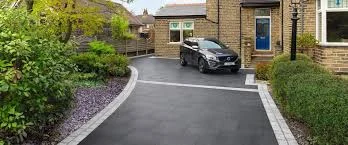
When it comes to improving the appearance and functionality of outdoor spaces, one effective solution is the use of paving paint. This specialised coating not only revitalises tired or worn paving surfaces but also provides a durable finish that withstands various weather conditions and heavy foot traffic.
Understanding Paving Paint
Paving paint is a specially formulated coating designed for application on concrete, brick, stone, and other types of outdoor paving surfaces. Unlike ordinary paint, paving paint is engineered to adhere firmly to rough textures and provide resistance to abrasion, moisture, and fading. This makes it an ideal choice for patios, driveways, walkways, and commercial areas where durability is essential.
Benefits of Using Paving Paint
One of the primary advantages of paving paint is its ability to transform outdoor spaces instantly. It provides a range of colour options that breathe new life into dull paving, making areas more aesthetically appealing. Furthermore, paving paint can help protect the surface beneath from damage caused by sun exposure, water penetration, and wear.
Durability is another key benefit. High-quality paving paints are designed to withstand foot traffic, light vehicle use, and seasonal changes without peeling or cracking, which ensures a long-lasting finish. This reduces maintenance costs and the need for frequent repaints, making it a practical investment.
Applications of Paving Paint
Paving paint is versatile and suitable for both residential and commercial settings. It is commonly applied on patios, garden paths, courtyards, and driveway areas. In commercial properties, it can be used to create safe walkways, mark parking spaces, or improve the general appearance of external communal areas.
Preparation and Application Process
Successful application of paving paint begins with proper surface preparation. The paving surface must be clean, dry, and free of contaminants such as oil, moss, or loose debris. This might involve power washing and the use of specialised cleaners. Repairing cracks and removing any vegetation growth is also essential to ensure an even finish.
Once the surface is adequately prepared, paving paint is typically applied with a roller or brush. Depending on the product, multiple coats may be necessary to achieve the desired coverage and durability. The paint needs to be allowed to dry completely between applications to prevent defects and ensure a uniform finish.
Choosing the Right Paving Paint
Several factors should be considered when selecting paving paint. These include the type of surface to be coated, expected foot or vehicle traffic, exposure to sunlight, and climate conditions. Products designed specifically for paving applications will generally provide better adhesion and greater resistance to wear than general-purpose paints.
Additionally, many paving paints now offer environmentally friendly options, incorporating low volatile organic compounds (VOCs) and durable formulations to reduce environmental impact while maintaining performance.
Maintenance and Longevity
Although paving paint is designed for durability, regular maintenance enhances its lifespan. This includes periodic cleaning to remove dirt and prevent staining. Avoiding harsh chemicals and abrasive cleaning methods will help preserve the paint’s integrity.
Over time, areas subjected to the most wear may require touch-ups or reapplication. However, the quality of modern paving paint products generally minimises the frequency of such maintenance.
Enhancing Safety and Aesthetics
Paving paint can also contribute to safety in outdoor spaces. By selecting contrasting colours or reflective formulations, it is possible to delineate pathways, steps, or hazards. This is particularly valuable in commercial and public areas to promote safer navigation after dark or in poor weather conditions.
From an aesthetic perspective, paving paint provides considerable flexibility in design. It enables seamless colour matching with the surrounding architecture and landscaping. This ensures that outdoor surfaces complement the overall environment rather than detract from it.
Cost-Effectiveness of Paving Paint
Compared to complete resurfacing or replacement of paving materials, using paving paint is a cost-effective way to update outdoor spaces. The product reduces labour time and materials while still achieving a fresh, clean look.
Moreover, by protecting the underlying paving structure from damage, paving paint can extend the service life of outdoor surfaces and postpone expensive repairs, adding value to the investment.
Environmental Considerations
Modern paving paint formulations increasingly address sustainability concerns. Many products are designed to be water-based with low VOC emissions, making them safer for users and the environment. Additionally, the protective coating reduces the need for frequent replacement, thereby reducing waste and resource consumption over time.
Summary
Durable paving paint serves as an effective solution for enhancing the look and longevity of outdoor paving surfaces. Its qualities of resilience, protection, and aesthetic versatility make it suitable for various applications in both domestic and commercial environments.
Through correct surface preparation, product selection, and maintenance, paving paint can significantly improve outdoor spaces without the expense or disruption of full resurfacing. Its contribution to safety, appearance, and cost savings further underscores its value as a paving enhancement product.
For those looking to refresh their patios, driveways, or commercial paved areas, investing in quality paving paint offers a practical, long-term solution that combines durability with visual appeal.
