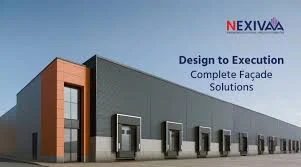
In the construction industry, the facade of a building plays a crucial role in both its aesthetic appeal and functional performance. Selecting the right facade contractor is essential to ensure that the exterior of the building not only looks impressive but also meets structural and environmental standards. This article aims to provide an insightful overview of the key factors to consider when choosing a facade contractor, enabling decision-makers to make informed and effective choices for their building projects.
Understanding the Role of a Facade Contractor
A facade contractor specialises in the design, supply, and installation of building facades. These professionals integrate knowledge of architecture, engineering, and materials science to create facades that comply with safety regulations and deliver durability and energy efficiency. The complexity of façade systems varies widely, encompassing glass curtain walls, aluminium cladding, stone veneers, and more. Therefore, it is critical that the chosen contractor has the expertise and resources to handle the specific requirements of the project.
Assessing Experience and Expertise
One of the primary considerations when selecting a facade contractor is their experience in the industry. Proven expertise often correlates with the ability to manage complex projects effectively. It is advisable to review the contractor’s portfolio to evaluate previous projects of similar scale and design. Experienced contractors are more likely to anticipate challenges related to installation, weatherproofing, thermal insulation, and maintenance, providing practical solutions.
Technical Capabilities and Innovation
Building facades today demand a high level of technical precision and innovative solutions to improve energy efficiency and sustainability. The right contractor should demonstrate familiarity with modern facade technologies and materials that contribute to green building standards. Implementing such technologies not only benefits the environment but can also reduce long-term operational costs for the building owner.
Compliance with Building Regulations
Facade installations must comply with local building codes and safety standards, including fire resistance, wind load, and impact resistance. Ensuring that the contractor is well-versed in these regulations is essential to avoid costly modifications or legal complications later. A reputable facade contractor maintains a rigorous compliance protocol throughout the project lifecycle.
Quality of Materials and Suppliers
The durability and performance of a building’s facade heavily depend on the quality of materials used. When selecting a facade contractor, it is important to inquire about the sources of their materials and any quality assurance processes in place. Long-term warranties and certifications from suppliers may indicate reliability and reduced risks of premature facade failure.
Project Management and Communication
Effective project management is vital for timely and cost-efficient completion. The facade contractor should have established processes for scheduling, resource allocation, and coordination with other building trades. Transparent communication channels between the contractor and the client help manage expectations and promptly address any issues arising during construction.
Health and Safety Standards
Construction sites present inherent risks, and facade work often involves working at height. Selecting a contractor prioritising health and safety minimises the risk of accidents. This commitment is demonstrated by certifications, adherence to safety protocols, and continuous staff training. A contractor with a strong safety record is likely to be more reliable throughout the project duration.
Cost Considerations
While price should not be the sole determinant, budget constraints are a practical consideration. The initial quote should be comprehensive, covering materials, labour, equipment, and contingencies. Cheaper options might lead to compromises in quality or delays. It is important to balance cost with value to achieve a facade that meets both budgetary and performance expectations.
Reputation and Client References
Investigating the reputation of a facade contractor can provide insights into their reliability and professionalism. Client testimonials and references allow prospective clients to verify claims about quality and service. Industry awards or accreditations may also be indicative of a contractor’s standing.
After-Sales Support and Maintenance
A facade requires ongoing maintenance to preserve its aesthetic and functional properties. The right contractor will offer after-sales support, including inspection, cleaning, and repair services. This ongoing relationship can safeguard the building’s value and prevent costly replacements.
Customisation and Design Support
Each building project has unique design needs. Leading facade contractors work closely with architects and engineers to provide tailored solutions. Providing design support during the early stages ensures smooth integration of the facade system within the overall building structure.
Environmental and Sustainability Credentials
With increasing emphasis on environmentally sustainable construction, contractors that adhere to green building principles have an advantage. Facade systems with high thermal performance, use of recycled materials, and energy-efficient designs contribute to reducing a building’s carbon footprint.
Location and Availability
Proximity can affect project logistics and costs. Choosing a facade contractor local to the project site might facilitate quicker response times, easier coordination, and reduced transportation expenses. Moreover, contractors familiar with local regulations and environmental conditions can better tailor their services.
Finalising the Contract
Once a facade contractor has been selected, it is critical to ensure that the contract clearly outlines the scope of work, timelines, payment schedules, and quality standards. Detailed contracts protect both parties by clarifying responsibilities, mitigating disputes, and setting performance expectations.
Conclusion
Selecting the right facade contractor is a decision that significantly impacts the aesthetics, performance, and longevity of a building. Evaluating contractors based on experience, technical capability, compliance, safety, cost, and reputation is essential. Investing the time to choose a competent and dependable contractor will contribute to the success of the building project and ensure a facade that stands the test of time.
