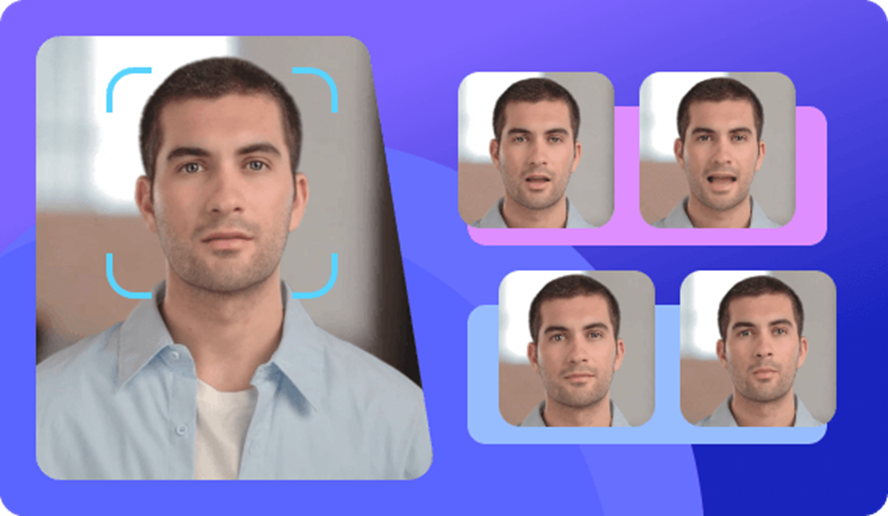
Creating engaging visual content no longer requires advanced animation skills or expensive production equipment. Artificial intelligence has made it possible to turn ordinary images into dynamic videos with realistic facial movements and synchronized speech. Among the most interesting developments are talking photo AI and lip sync AI, two technologies that are helping creators bring still images to life.
What Is Talking Photo AI?
Talking photo AI is a technology that can transform a static photograph into an animated talking character. Instead of remaining as a simple image, the person in the photo can appear to speak, move their lips, and display natural facial expressions based on an audio recording or written script.
The process is generally straightforward. A user uploads a suitable photograph, provides text or an audio file, and allows the AI system to generate the animation. The technology analyzes facial features and creates movements that match the provided voice or dialogue.
This can be useful for marketers, educators, social media creators, businesses, and anyone who wants to create video content without recording themselves on camera. For example, a company could create a virtual presenter using a professional headshot, while an educator could use an illustrated character to introduce a lesson.
How Lip Sync AI Works
Lip sync AI focuses specifically on matching mouth movements with spoken audio. When someone talks in a video, their lips need to move at the right moments to create a convincing result. Traditional animation requires artists to manually synchronize these movements, which can take considerable time.
AI-based systems can automate much of this process. The software analyzes speech patterns and determines how the mouth should move for different sounds. It then generates or adjusts facial movements so that the character appears to be saying the words naturally.
Modern lip sync AI can be especially helpful when working with digital avatars, animated characters, translated videos, and AI-generated presenters. Instead of manually editing every frame, creators can allow the technology to handle synchronization automatically.
Benefits for Content Creators
One of the biggest advantages of these technologies is speed. Producing a conventional talking-head video may involve cameras, lighting, microphones, editing software, and multiple takes. AI-generated talking images can simplify the workflow and reduce the amount of equipment required.
Another advantage is flexibility. A single photograph can potentially be used to create multiple videos with different scripts and languages. This gives businesses and creators more opportunities to repurpose existing visual assets.
These tools can also make content creation more accessible. Someone with limited animation or video-editing experience can experiment with animated characters without learning complicated professional software.
Applications in Marketing and Social Media
Social media platforms are highly visual, making short videos an important part of many content strategies. Talking images can help brands create announcements, educational clips, product explanations, and promotional videos.
For example, a business could use an AI-generated presenter to explain how a product works. A creator could turn a character illustration into a short storytelling video. Marketing teams can also produce variations of the same message for different audiences.
The technology can be useful for multilingual campaigns as well. Once a video concept has been created, different audio tracks can potentially be synchronized with the same digital character, making localization more efficient.
Educational and Professional Uses
Talking photo AI is not limited to entertainment. Educational institutions can use animated presenters to make lessons more interactive. Historical figures, fictional characters, or illustrated instructors can be given voices to introduce educational topics.
Businesses can also use AI avatars for internal training, onboarding materials, tutorials, and customer support content. Instead of recording a new presenter for every update, organizations may be able to create reusable digital presenters that deliver information consistently.
Creating More Natural AI Videos
Although AI has improved significantly, the quality of the final result still depends on the input. A clear, front-facing photograph generally provides better results than an image with a heavily obscured face. High-quality audio is also important because accurate speech analysis can improve synchronization.
Creators should also consider pacing and script length. Short, natural sentences can make AI-generated videos feel more conversational. Adding appropriate pauses and using expressive voice recordings may further improve the overall presentation.
The Future of AI-Powered Visual Content
Talking photo AI and lip sync AI represent a broader shift toward automated video production. As these technologies continue developing, animated characters and digital presenters may become increasingly common across social media, education, advertising, and online communication.
The most valuable aspect is not simply making a photograph speak. It is giving creators a faster way to transform existing visual assets into useful video content. With thoughtful scripts, suitable images, and quality audio, AI-powered animation can become a practical part of modern content creation workflows.
