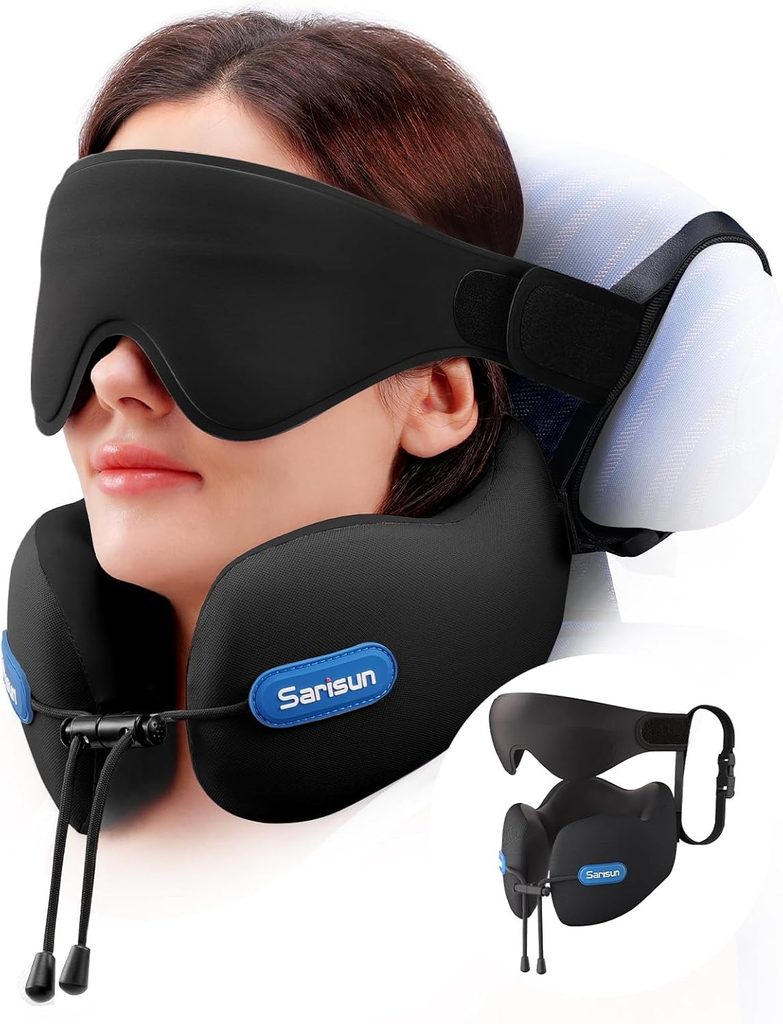
Flying with a budget airline means trading a few comforts for a lower fare, and most travelers accept that tradeoff happily. What catches people off guard is just how much those missing comforts add up over a long travel day. No free blanket, no complimentary headphones, tighter seat pitch, and sometimes even a fee for a full-size carry-on all change what you need to pack. The good news is that a short list of well-chosen airplane travel essentials can close most of that comfort gap without adding much weight or cost to your trip. Packing smart rather than packing heavy is the real skill here, especially when budget carriers often charge extra for bags that go even slightly over their limits.
Why Budget Flights Demand a Different Packing Strategy
Traditional airlines tend to smooth over rough edges with amenities you barely notice, like a pillow, a blanket, or a slightly wider seat. Budget carriers strip those extras out to keep fares low, which means the responsibility for comfort shifts almost entirely to what you bring yourself. Tighter seat pitch also means less room to shift position during a flight, so whatever you pack needs to work within a smaller physical space than you might be used to on a full-service airline.
The Core Comfort Items Worth Their Weight
A compact, supportive neck pillow tops most experienced travelers’ lists, since it addresses the single biggest complaint about budget flights: nowhere comfortable to rest your head. Choosing a travel-focused option built for smaller stowed spaces, such as one of the collections curated for airplane travel essentials, means you get support without sacrificing precious carry-on room. Noise-canceling or even basic passive earbuds matter almost as much, since budget cabins are rarely quieter than full-service ones and engine noise on shorter, older aircraft can be more noticeable.
A lightweight compression sack or packable layer also earns its place, since budget flights often run colder without offered blankets, and layering beats carrying a bulky jacket you only need for a few hours. Reusable water bottles, filled after security, help offset the fact that in-flight drinks are rarely free on these carriers, and staying hydrated matters more on longer budget routes with multiple short connections.
Packing Within Strict Carry-On Limits
Budget airlines are notorious for stricter and sometimes stricter-than-advertised carry-on enforcement, so every essential item needs to justify its space. Soft-sided, compressible items pack more efficiently than rigid ones, and multi-use products, like a neck pillow that doubles as lumbar support or a scarf that also works as a light blanket, help you get more function out of less volume. Weighing your bag before leaving home, rather than discovering an overage fee at the gate, avoids one of the more common budget-travel frustrations.
Comfort Habits That Cost Nothing Extra
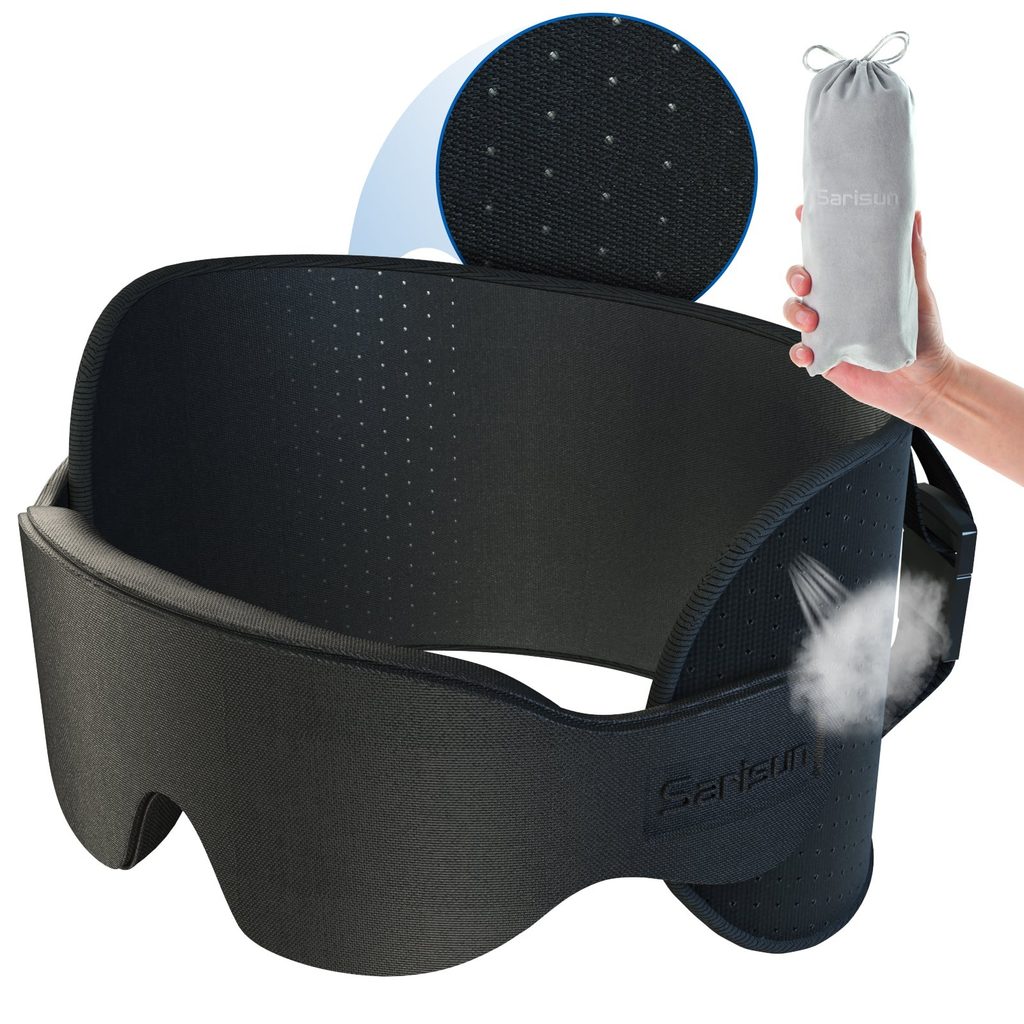
Not every improvement requires buying something new. Choosing an aisle or window seat deliberately, based on whether you value legroom or a stable place to rest your head, costs nothing but a few minutes of planning during booking. Boarding with everything you need for the flight already accessible, rather than buried at the bottom of your bag, saves time and stress once you are seated. Brands focused on travel comfort, including Sarisun, often publish practical packing guidance alongside their products, which is worth a look even if you are assembling your own kit rather than buying everything new.
Building a Kit That Works for Repeat Budget Flyers
Frequent budget-airline travelers benefit from settling on a consistent, repeatable kit rather than reassembling their bag from scratch every trip. Keeping a dedicated small pouch with your pillow, earbuds, and a packable layer means less pre-trip scrambling and fewer forgotten items. For families traveling on tight budgets, involving kids in choosing their own compact comfort items, like a smaller pillow or their own earbuds, can also reduce mid-flight restlessness on longer budget routes with minimal entertainment options.
Packing Light Without Sacrificing Comfort
Budget airlines make flying more affordable, but only if you plan around what they leave out. A small, well-chosen set of essentials, focused on head and neck support, noise reduction, and smart layering, closes most of the comfort gap without adding weight or risking extra baggage fees. Once you settle on a kit that fits your specific travel habits, budget flights start to feel a lot less like a compromise and more like a straightforward way to get where you are going.