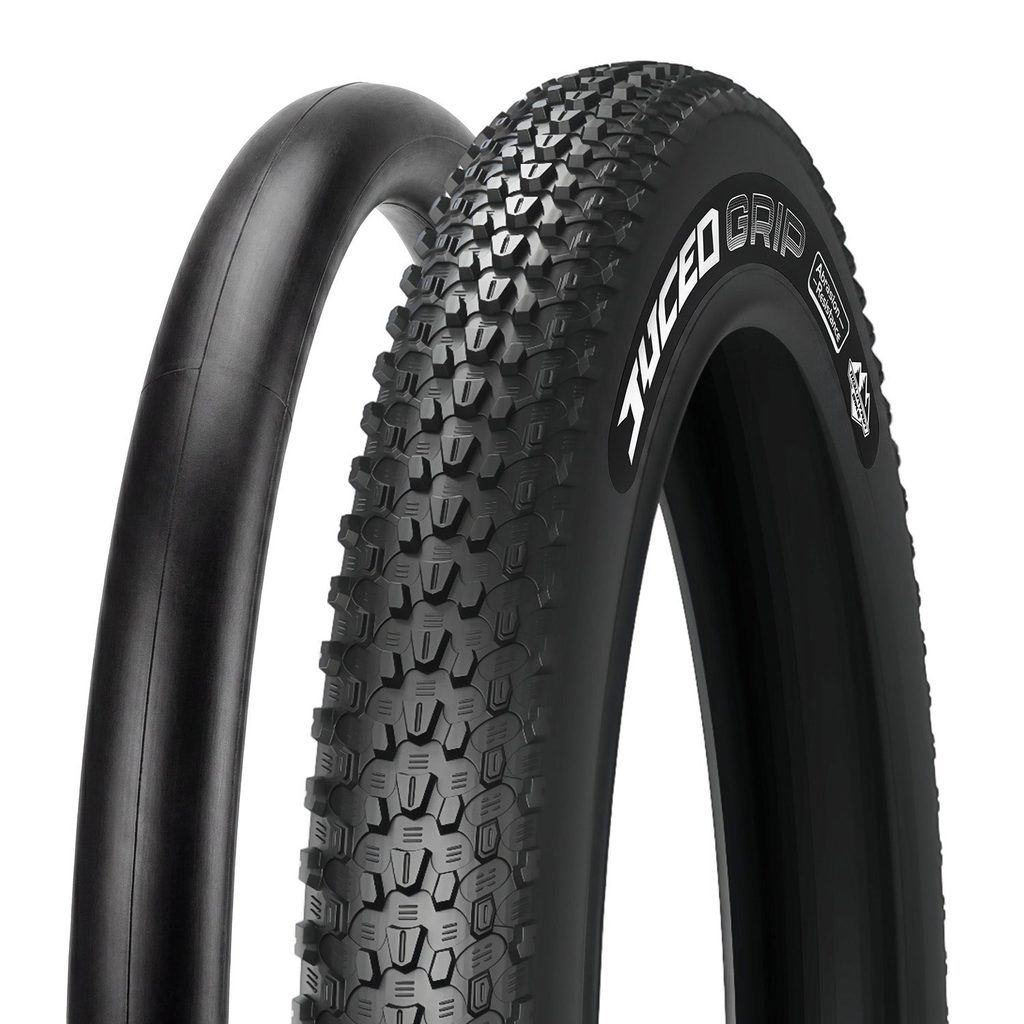
Standing in front of a wall of mountain bike tires, most riders default to whatever their friend recommended or whatever matched their bike’s stock setup years ago. That approach works fine until the trails change, the riding style evolves, or a persistent grip problem finally becomes too annoying to ignore. Tire selection doesn’t need to be complicated, but it does require matching a few key specifications to the actual conditions a rider faces most often.
This guide walks through a straightforward process for narrowing down tire choice based on terrain type, riding frequency, and personal priorities like speed versus control. New riders building their first proper trail setup, and experienced riders reconsidering their tire strategy after a frustrating season, will find a clear framework here instead of an overwhelming list of specifications.
Start With an Honest Terrain Assessment
Before comparing tread patterns, it helps to categorize the terrain ridden most frequently rather than the terrain ridden occasionally. Someone who rides hardpack singletrack ninety percent of the time but takes one annual trip to a rocky, technical destination should prioritize a tire suited to hardpack, accepting some compromise on the rare technical trip. Building a tire strategy around the exception rather than the rule leads to daily rides that feel slower and noisier than necessary.
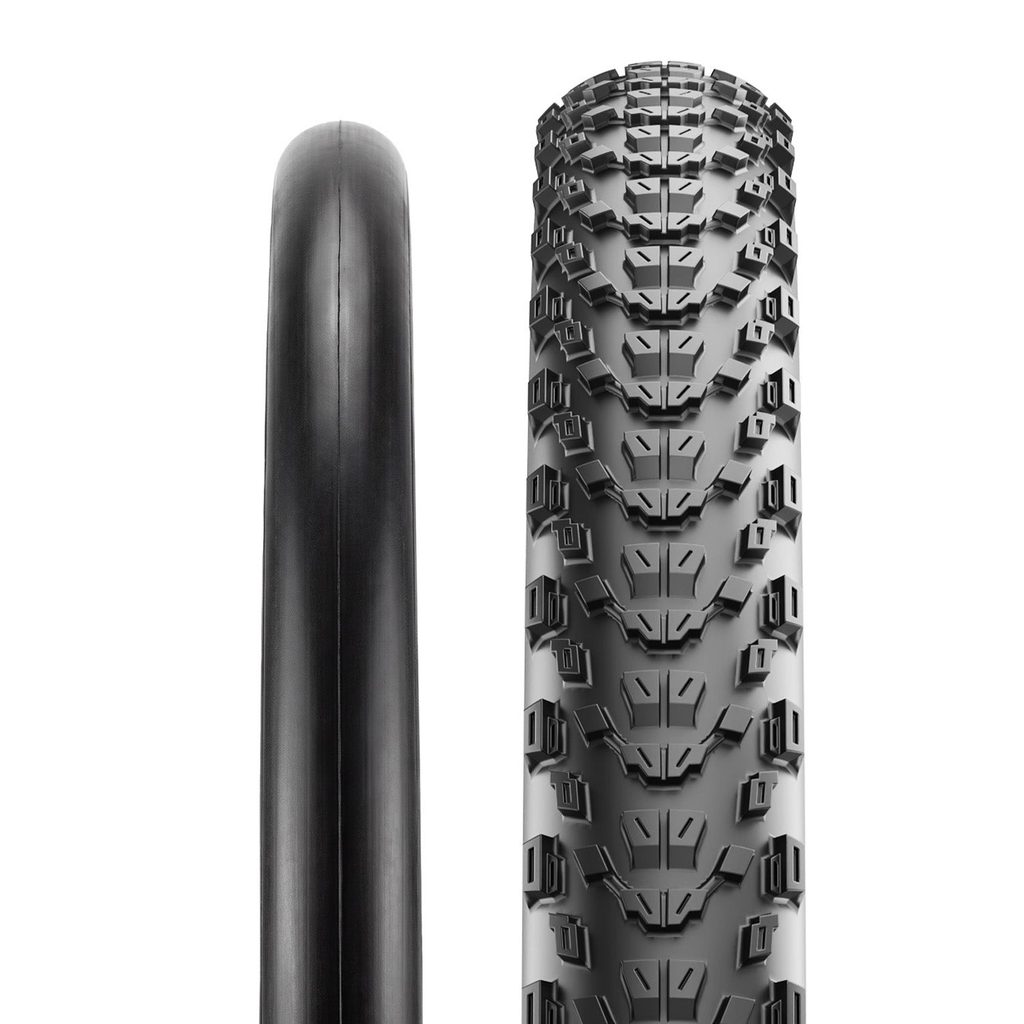
Loose, loamy trails call for widely spaced knobs that clear debris quickly. Hardpack and groomed trails favor lower-profile tread that reduces rolling resistance without sacrificing much cornering grip. Rocky, technical terrain benefits most from reinforced casings and side knobs designed to bite into uneven surfaces rather than skate across them.
Accounting for Seasonal Changes
Riders in regions with distinct wet and dry seasons sometimes maintain two tire sets, swapping tread patterns as conditions shift rather than compromising with a single all-season choice. This adds some cost but removes the frustration of fighting a tire that’s simply wrong for the current trail conditions.
Understanding Casing Options Without the Jargon
Casing terminology varies between manufacturers, but the underlying tradeoff stays consistent: lighter casings roll faster and climb easier, while reinforced casings resist punctures and support lower pressure for better grip. Riders who primarily climb long fire roads before a single descent should weigh rolling efficiency more heavily. Riders who spend most of their ride time on technical, rock-strewn descents benefit more from a reinforced casing, even at the cost of slightly slower climbing.
Browsing a dedicated selection, such as the mountain bike tires offered by Juceo, makes this comparison easier since casing and tread options are typically organized by intended use rather than left for the rider to decode from technical specifications alone.
Matching Compound to Climate and Rock Type
Compound choice matters more in specific climates than others. Riders in consistently dry, dusty regions often prioritize a harder, longer-lasting compound since traction demands are lower on loose, dry dirt. Riders navigating wet roots, granite slabs, or slick clay benefit from softer compounds that conform to irregular surfaces even at the cost of faster wear. There’s no universally correct compound, only a correct match for local conditions.
Balancing Compound Choice With Tire Lifespan
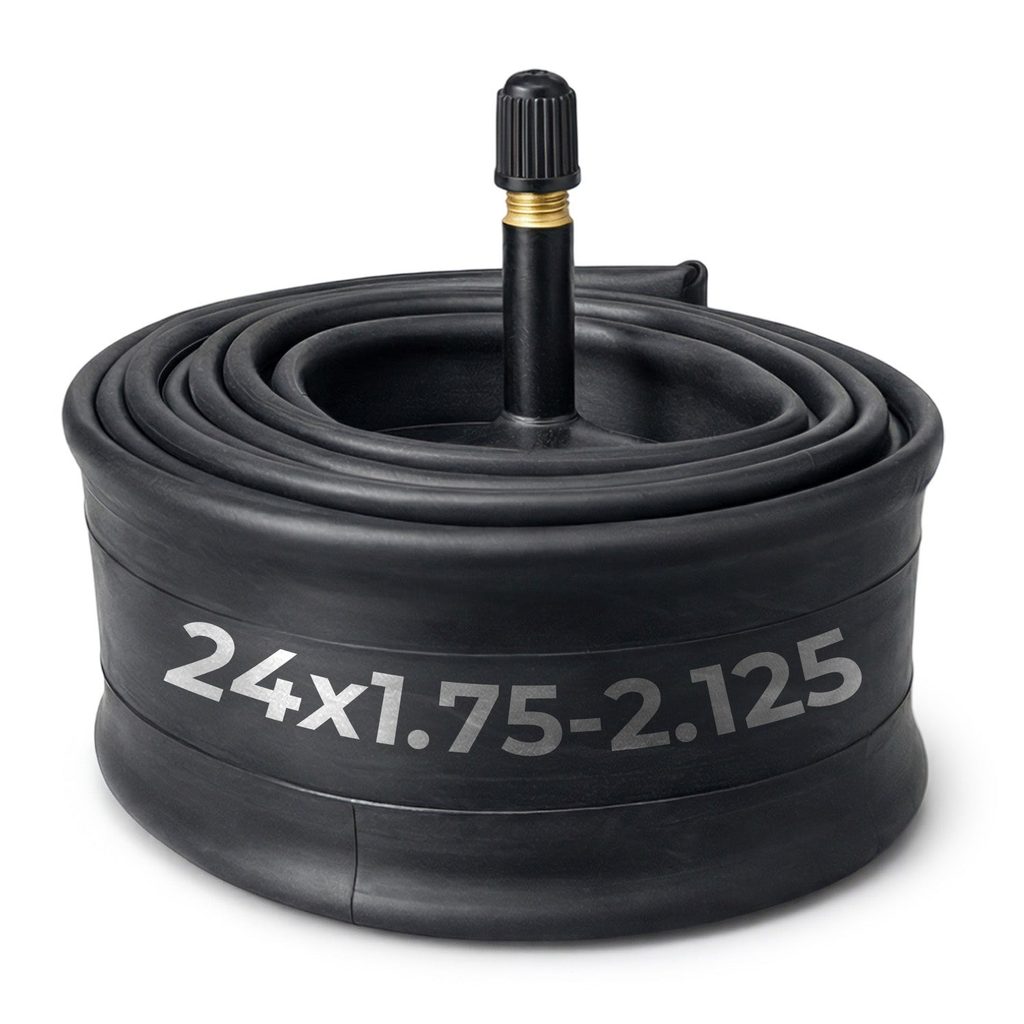
Riders on a budget sometimes hesitate to choose softer compounds because of the faster wear rate, but the safety benefit on technical terrain often outweighs the added replacement cost, particularly for anyone riding aggressive trails regularly.
Sizing and Width Considerations
Wider tires offer a larger contact patch and better float over loose surfaces, but they add rotational weight and can feel sluggish on tight, twisty singletrack. Narrower tires roll faster and feel more responsive but sacrifice some stability on loose or rocky descents. Matching width to the bike’s intended geometry and the rider’s personal preference for stability versus agility narrows this decision considerably.
Testing Before Committing to a Full Set
Whenever possible, testing a single tire on familiar trails before purchasing a matching pair helps confirm the choice fits actual riding habits rather than theoretical expectations. Many local shops and demo programs allow this kind of trial, which prevents an expensive mismatch discovered only after committing to a full set.
Turning Terrain Knowledge Into the Right Tire Choice
Choosing the right mountain bike tire comes down to honestly assessing terrain, matching casing strength to riding intensity, and selecting a compound suited to local climate and rock type. Skipping straight to the most aggressive or most popular option often leads to a setup that fights the rider rather than supporting them.
Taking a methodical approach, even if it means a bit more research upfront, pays off with a tire setup that feels right on nearly every ride rather than only the occasional one.