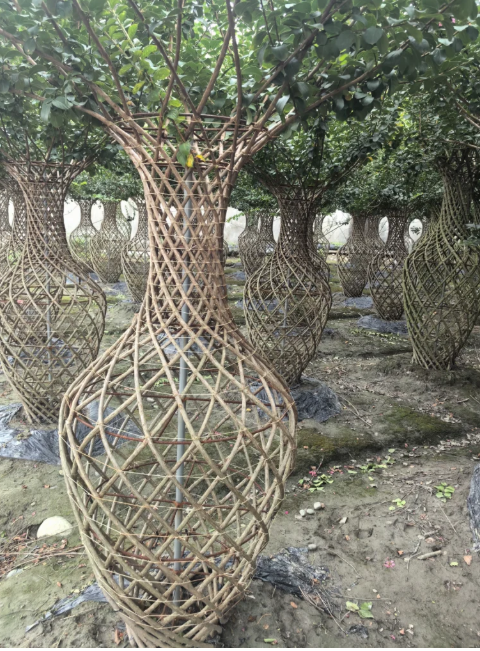
The Golden Trumpet Tree is a popular ornamental tree known for its brilliant yellow, trumpet-shaped flowers and attractive foliage. It brings vibrant color to gardens, parks, residential landscapes, and public spaces. Beyond its beautiful appearance, this flowering tree can provide shade, support flower-visiting insects, and contribute to the overall quality of outdoor environments.
Gardeners and landscape designers often choose the Golden Trumpet Tree because it creates a striking visual display during its flowering season. With suitable growing conditions and proper maintenance, it can become a valuable feature in both small and large landscapes. Understanding the benefits and uses of the Golden Trumpet Tree can help you decide where to plant it and how to make the most of its natural beauty.
Ornamental Beauty and Landscape Appeal
One of the greatest benefits of the Golden Trumpet Tree is its exceptional ornamental value. Its bright yellow flowers create an eye-catching display that can transform an ordinary garden into a colorful and welcoming outdoor space.
Bright seasonal flowers: Golden Trumpet Trees are admired for their trumpet-shaped blossoms, which may appear in impressive clusters along the branches. Depending on the species and local climate, flowering can be particularly dramatic when the tree produces blooms before or around the emergence of new leaves.
Attractive garden centerpiece: A mature Golden Trumpet Tree can serve as the main focal point in a residential garden, courtyard, or landscaped lawn. Its colorful flowers naturally draw attention and can complement green lawns, flowering shrubs, and other ornamental plants.
Improved visual contrast: The golden blossoms stand out against green foliage, creating a pleasing combination of colors. This makes the tree suitable for landscape designs that require a strong seasonal feature without relying entirely on decorative structures.
Suitable for different landscape styles: Golden Trumpet Trees can complement tropical, subtropical, and warm-climate gardens. They work well in spacious residential properties, botanical gardens, parks, and commercial landscapes where their mature size can be accommodated.
Seasonal garden interest: The tree offers changing visual interest throughout the year. Its flowering period provides a colorful highlight, while its foliage and branching structure contribute to the landscape during other seasons.
For homeowners and landscape designers seeking a tree with a memorable appearance, the Golden Trumpet Tree offers a combination of color, structure, and natural elegance.
Shade, Comfort, and Environmental Benefits
In addition to its ornamental value, the Golden Trumpet Tree can provide practical benefits when planted in an appropriate location. Its developing canopy may help create more comfortable outdoor spaces and contribute to a greener environment.
Natural shade: Depending on the species and mature canopy size, the tree can provide partial shade over lawns, garden seating areas, and other outdoor spaces. This shade may help reduce direct sunlight reaching the ground beneath the branches.
Support for local biodiversity: Golden Trumpet Tree flowers may attract bees and other flower-visiting insects. These visitors use floral resources such as nectar or pollen, depending on the species and the needs of the insect. Planting a variety of flowering plants can help make a garden more supportive of local wildlife.
Contribution to urban greenery: Trees improve the appearance of streets, parks, and residential developments. When incorporated into suitable planting plans, the Golden Trumpet Tree can contribute to greener neighborhoods and create a more pleasant outdoor atmosphere.
Carbon storage: Like other growing trees, a Golden Trumpet Tree absorbs carbon dioxide through photosynthesis and stores some of that carbon in its woody tissues and roots. The amount stored depends on the tree’s size, growth rate, health, and lifespan.
Soil protection: The tree’s roots can help hold soil in place in suitable planting locations. Its fallen leaves may also contribute organic matter as they decompose, although the extent of this benefit depends on how the landscape is managed.
These environmental benefits are most effective when the tree is planted in a location that supports healthy growth and allows it to reach an appropriate mature size.
Golden Trumpet Tree Uses in Residential and Commercial Landscaping
The Golden Trumpet Tree is versatile enough to be incorporated into different landscape projects. Its best use depends on available space, local climate, the particular species, and the desired visual effect.
Home gardens: Homeowners can plant a Golden Trumpet Tree in a spacious backyard or front garden to create a colorful focal point. It can be combined with low-growing plants and flowering shrubs, provided they receive suitable sunlight and have enough room to grow.
Parks and public gardens: Public green spaces benefit from trees that offer seasonal flowers and attractive forms. Golden Trumpet Trees can be used in parks, botanical gardens, and other landscaped areas where visitors can appreciate their flowering display.
Commercial properties: Hotels, offices, shopping centers, and other commercial properties may use Golden Trumpet Trees to improve outdoor presentation. A well-positioned flowering tree can add color to entrance gardens and open landscape areas.
Roadside and avenue planting: In appropriate climates, some species may be used along roads and wide streets. However, planners should consider overhead utilities, underground services, visibility, root space, pedestrian safety, and the tree’s mature canopy before selecting a planting location.
Courtyards and outdoor seating areas: A suitably sized tree can help create a more inviting outdoor setting. When used near seating areas, its shade and flowers may enhance the surroundings, although falling leaves, flowers, and seed pods should also be considered.
Landscape design projects: Landscape architects can use the Golden Trumpet Tree as a seasonal accent among evergreen trees, flowering shrubs, and ground covers. Group planting may create a more dramatic display, but trees should still have enough space for healthy development.
Choosing the right location is essential because the tree’s mature size and root growth can affect nearby structures and paved surfaces.
Garden Design and Plant Combinations
The Golden Trumpet Tree can be paired with many plants to create a balanced and attractive landscape. Selecting complementary plants helps highlight its yellow flowers while maintaining interest outside the flowering season.
Combine with green foliage: Evergreen shrubs and foliage plants provide a stable green background that makes golden blossoms more noticeable. This combination works particularly well in gardens where strong color contrast is desired.
Plant with flowering shrubs: Shrubs that bloom at different times can extend the garden’s flowering interest throughout the year. Choose varieties suited to the same climate and sunlight conditions to simplify maintenance.
Use low-growing ground covers: Suitable ground covers can soften the area around the tree and help reduce exposed soil. Keep plants away from the trunk and avoid excessive competition around young trees.
Create a balanced color palette: Yellow flowers pair well with green foliage, white blossoms, and selected purple or blue flowering plants. A limited color palette can create a clean, organized appearance without making the garden feel overcrowded.
Consider mature size: Plants should be selected according to their expected height, width, root requirements, and sunlight needs. Avoid placing large shrubs or trees too close together, as overcrowding can reduce airflow and increase competition for resources.
A thoughtfully designed planting arrangement allows the Golden Trumpet Tree to remain the main feature while surrounding plants provide texture and seasonal variety.
Important Considerations Before Planting a Golden Trumpet Tree
Although the Golden Trumpet Tree offers many benefits, selecting the correct species and planting location is important for long-term success. The common name may refer to more than one yellow-flowering species, and their growth habits and climate requirements can differ.
Check climate suitability: Most commonly grown Golden Trumpet Trees are better suited to warm or subtropical conditions. Research the cold tolerance of the particular species before planting, especially if your area experiences frost.
Allow adequate space: Consider the tree’s mature height, canopy spread, and root system. Planting too close to buildings, underground pipes, paved areas, or power lines may create maintenance problems later.
Choose suitable soil: Well-draining soil generally supports healthy root development. Avoid locations where water collects for long periods after rain.
Plan for routine maintenance: The tree may shed flowers, leaves, or seed pods depending on the species and season. Consider this when planting near driveways, walkways, swimming pools, or outdoor seating areas.
Avoid unverified medicinal claims: The Golden Trumpet Tree is primarily valued as an ornamental tree. Traditional uses may be reported for some related species, but such uses should not be treated as proof of medical effectiveness or safety. Do not consume its leaves, bark, flowers, or other parts for medicinal purposes without reliable species-specific safety information and professional guidance.
By considering these factors before planting, gardeners can enjoy the tree’s benefits while reducing potential problems.
Conclusion
The Golden Trumpet Tree offers a wide range of benefits, from vibrant yellow flowers and attractive landscaping to shade and support for flower-visiting insects. Its ornamental beauty makes it suitable for residential gardens, parks, commercial properties, and other outdoor spaces in climates where the selected species can thrive.
With careful placement, suitable soil, adequate sunlight, and regular maintenance, this tree can become a striking feature in a landscape. It also works well alongside complementary shrubs, ground covers, and foliage plants that enhance its natural colors.
Before planting, consider the tree’s mature size, climate requirements, and maintenance needs. Selecting the right species and location will help you enjoy the Golden Trumpet Tree’s beauty and practical benefits for years to come.
Frequently Asked Questions
What are the main benefits of a Golden Trumpet Tree?
The main benefits include attractive yellow flowers, ornamental landscaping value, potential shade, and floral resources for bees and other flower-visiting insects. Like other trees, it can also absorb carbon dioxide as it grows.
Where can a Golden Trumpet Tree be planted?
It can be planted in suitable home gardens, parks, public green spaces, and commercial landscapes. The location should provide sufficient sunlight, well-draining soil, and enough room for the tree to reach its mature size.
Does the Golden Trumpet Tree attract bees and butterflies?
Its flowers may attract bees and other flower-visiting insects. Whether butterflies visit regularly depends on the tree species, local insect populations, and the availability of other suitable plants in the surrounding garden.
Is the Golden Trumpet Tree suitable for a small garden?
It depends on the species and the available space. Some varieties remain relatively small, while others develop a wider canopy. Check the expected mature size before planting and avoid choosing a variety that will outgrow the space.
Can the Golden Trumpet Tree be grown in warm climates?
Yes, many Golden Trumpet Tree species grow well in warm and subtropical climates. Successful growth depends on sunlight, soil drainage, watering, and the specific species selected. Choose a variety suited to your local temperature and rainfall conditions.