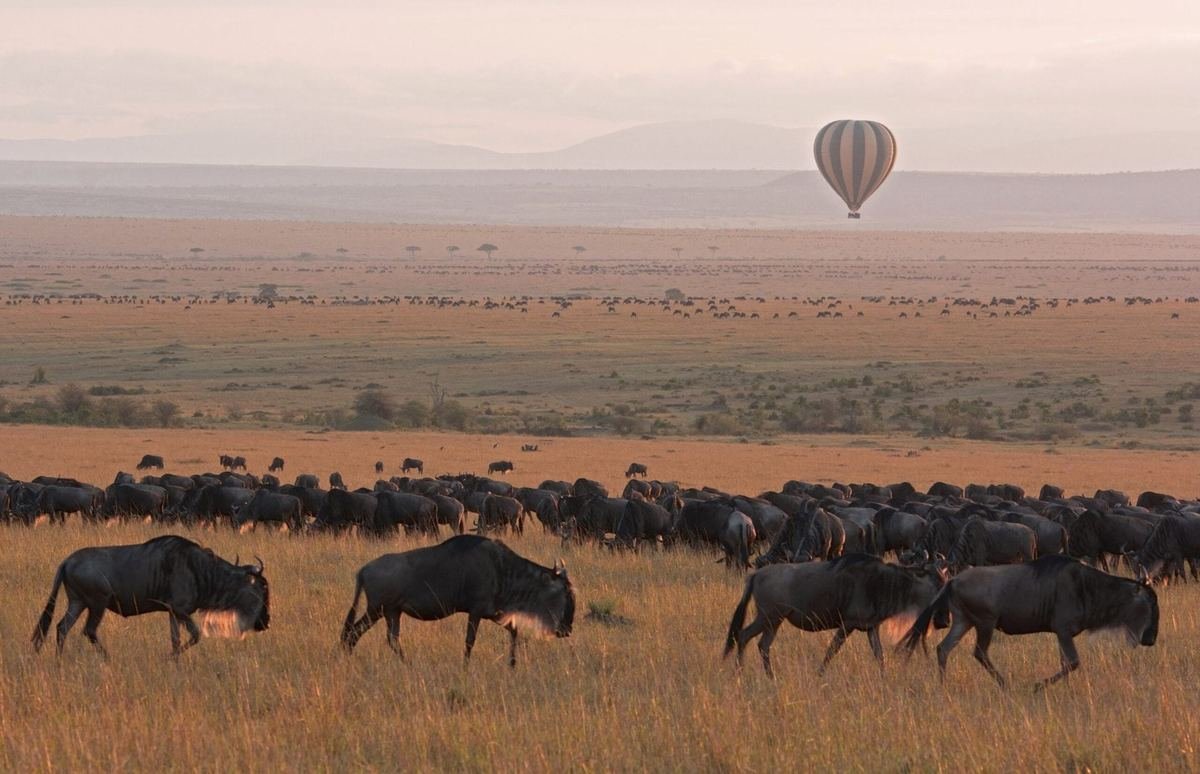
The best time to visit Tanzania depends on what you want most: clear safari sightings, Great Migration drama, quieter parks, lush landscapes, beach time, or a smoother Tanzania Luxury Safari. For most first-time travelers, the safest answer is the dry season from late June to October, when wildlife is easier to spot and safari routes are generally more predictable. For calving, birdlife, greener scenery, and fewer crowds, January to March can be just as rewarding with the right itinerary.
When is the best time to visit Tanzania?
The best time to visit Tanzania is usually June through October if your priority is classic safari viewing, especially in the Serengeti, Ngorongoro, Tarangire, and northern parks. Vegetation is thinner, animals gather more reliably near water, and roads are often easier to manage than during the heavier rains. That is why many Tanzania travel tips start with the dry season, particularly for first-time visitors who want the broadest chance of rewarding wildlife encounters.
That said, “best” is not one-size-fits-all. The best time of year to visit Tanzania for migration river crossings is different from the best time for newborn wildebeest, lower crowd levels, photography, or combining safari with Zanzibar. Tanzania’s best time to visit planning works best when you match the season to the experience rather than simply chasing the busiest months.
Tanzania’s seasons shape the whole journey
Tanzania has regional climate variation, but the north and east commonly experience two rainy periods: the short rains from around October to December and the long rains from March to May. The cool season is generally May to August, while hotter conditions often build from October into February or March. These patterns affect comfort, road conditions, landscape color, animal movement, and how far in advance you may want to reserve prime camps.
June to October: peak safari clarity
June, July, August, September, and October are the months many travelers imagine when they picture a safari. Days are often drier, grasses are shorter, and animals become easier to locate as water sources shrink. This is also a popular season, so camps in prime areas can fill early, and prices may reflect demand.
If you are asking “when is the best time to visit Tanzania for a first safari,” this period is the most straightforward recommendation. It works well for families, honeymooners, photographers, and travelers who prefer a lower risk of weather disruption. The trade-off is that famous areas can feel busy, especially around migration hotspots and iconic viewpoints.
November to March: green season rewards
The green season brings fresh grass, softer light, dramatic skies, and a more vibrant landscape. Tanzania Tourism notes that November to March is generally quieter, which can appeal to travelers who want a less crowded safari rhythm. This season is also valuable for birdwatching and for travelers who prefer a richer visual backdrop rather than the dusty tones of late dry season.
January and February are especially important for travelers focused on the southern Serengeti and Ndutu region, where the wildebeest calving season is typically highlighted. Predator activity can be intense because newborn animals attract lions, cheetahs, and hyenas. For many safari enthusiasts, this is not a “second-best” period; it is a distinct safari experience with its own drama.
March to May: lush, quiet, and more weather-dependent
March to May is associated with the long rains in much of northern and eastern Tanzania. Travel can still be possible, but itineraries need more flexibility because some roads may become muddy, showers can interrupt activities, and certain camps may close seasonally. The reward is space, greenery, and a slower pace, but this period suits repeat visitors or travelers comfortable with uncertainty better than those planning a once-in-a-lifetime trip.
Best time to visit Tanzania Serengeti by experience
The best time to visit Tanzania Serengeti depends on which part of the Serengeti ecosystem you plan to visit and what you hope to witness. The Great Migration occurs year-round across the broader Serengeti-Mara ecosystem, but the location of the herds changes with rain and grazing conditions. This is why choosing the right camp location matters as much as choosing the right month.
Use this simple planning guide:
- January to February: strong choice for calving in the southern Serengeti and Ndutu area.
- March to May: lush scenery and fewer visitors, but higher rain risk.
- June to July: often favored for migration movement and strong general wildlife viewing.
- July to September: popular for travelers hoping for northern Serengeti river-crossing drama.
- October: late dry-season wildlife viewing can be excellent, with animals concentrated near remaining water.
- November to December: short rains refresh the plains, and the safari atmosphere often becomes quieter.
No ethical safari planner should promise a specific crossing on a specific date. Wildebeest movement is natural, weather-led, and unpredictable. A well-designed itinerary improves your odds by placing you in the right region at the right seasonal window, but patience remains part of the experience.
Choosing the right season for your travel style
A Tanzania Luxury Safari is not only about high-end lodges. It is about timing, pacing, guiding, location, and avoiding unnecessary compromises. The right season can make the difference between a beautiful trip and a trip that feels effortless.
Consider these priorities before choosing dates:
- For first-time safari travelers: choose June to October for reliable wildlife visibility and easier planning.
- For migration-focused travelers: choose your Serengeti region based on the month, not just the park name.
- For photographers: consider green season light, dramatic clouds, young animals, and fewer vehicles.
- For honeymooners: combine a dry-season safari with Zanzibar, or choose January to February for warmth and wildlife drama.
- For value-conscious travelers: look at shoulder periods such as early June, November, or parts of March, depending on comfort with rain.
- For families: prioritize road conditions, lodge access, and predictable game drives over chasing a single wildlife event.
Is the best time to visit Kenya and Tanzania the same?
The best time to visit Kenya and Tanzania overlaps most strongly from June to October, when dry-season safari conditions are popular across much of East Africa. This period is especially attractive for travelers who want to combine Tanzania’s Serengeti and Ngorongoro with Kenya’s Maasai Mara or Amboseli. However, migration timing varies, and splitting time between both countries can add border logistics, internal flights, and extra transfers.
If you have fewer than ten days, a focused Tanzania itinerary may feel richer than rushing both countries. If you have two weeks or more, a Kenya-Tanzania combination can work beautifully, especially when planned around regional wildlife movement rather than a generic map route. The best time to visit Kenya and Tanzania is therefore less about checking two countries off a list and more about building a route that follows the season intelligently.
Practical Tanzania travel tips by season
Smart preparation matters every month. Dry season travelers should pack layers because early morning drives can be cool, especially at altitude. Wet season travelers should bring light rain protection, quick-dry clothing, and a flexible mindset.
Useful Tanzania travel tips include:
- Book early for July to September, especially for northern Serengeti camps.
- Ask where your camp is located in relation to seasonal wildlife movement.
- Avoid designing the whole trip around one hoped-for river crossing.
- Include at least two or three nights in key wildlife areas to reduce pressure.
- Check luggage limits for light aircraft if flying between parks.
- Pair safari with Zanzibar after the bush, not before, if you want to end with rest.
- Choose experienced guides over simply choosing the most famous month.
A simple month-by-month way to decide
If you want the most reliable overall safari, choose June to October. If you want calving, predator action, and green landscapes, choose January to February. If you want fewer people and softer scenery, consider November to March, while understanding that some rain is part of the bargain. If you want the lowest crowd levels and do not mind weather flexibility, March to May can be rewarding but needs careful planning.
Ultimately, the best time to visit Tanzania is the season that fits your dream version of the trip. The Serengeti, Ngorongoro Crater, Tarangire, Lake Manyara, Ruaha, Nyerere, Kilimanjaro, and Zanzibar all respond differently to the calendar. Start with your must-see experience, then choose the month, route, and lodge style that support it. That is how Tanzania becomes more than a destination; it becomes a journey timed to feel completely your own.
