The AI conversation has been dominated by a handful of names for years now, companies with massive compute budgets, closed models, and pricing structures that change on their own schedule. But a parallel movement has been quietly gaining ground: open source AI. Instead of routing every request through someone else’s servers, developers, researchers, and increasingly regular users are turning to models and infrastructure they can inspect, modify, and run independently. The difference isn’t just technical, it’s about who holds the power to decide how AI gets used, what it costs, and where your data ends up. This piece breaks down what open source AI actually offers compared to the closed alternatives, and how personal infrastructure has made it realistic for individuals to run serious AI workloads without depending on big tech’s terms of service.
The Real Difference Between Open and Closed AI
Closed AI platforms operate as black boxes. You send a prompt, a distant server processes it, and you get a response back with no visibility into how that data was handled or how long it’s retained. Open source AI inverts that relationship entirely. Model weights, training methodologies, and often the full codebase are published for anyone to examine. That transparency matters beyond ideology, it directly affects trust, since you can verify what a model does rather than taking a vendor’s word for it.
Why Transparency Changes the Calculation
When a model’s inner workings are visible, developers can audit it for bias, strip out unwanted behavior, or adapt it for specialized tasks without waiting on a company’s roadmap. This level of access has turned open source AI into a genuine foundation for products rather than a dependency on someone else’s API limits and pricing changes.
The Cost of Depending on Closed Platforms
Relying entirely on closed AI services introduces risks that only become obvious over time. Pricing can shift overnight, rate limits can throttle a growing application, and a model version you built your product around can be deprecated with little notice. There’s also the matter of data, every prompt sent to a closed platform travels through infrastructure you don’t control, often getting logged or used to improve future models without much say from the user.
These aren’t hypothetical concerns, they’ve already shaped how many teams think about vendor lock-in. Building a workflow entirely around one company’s API means inheriting all of its constraints, both technical and commercial.
Bringing Open Source AI Into Your Own Environment
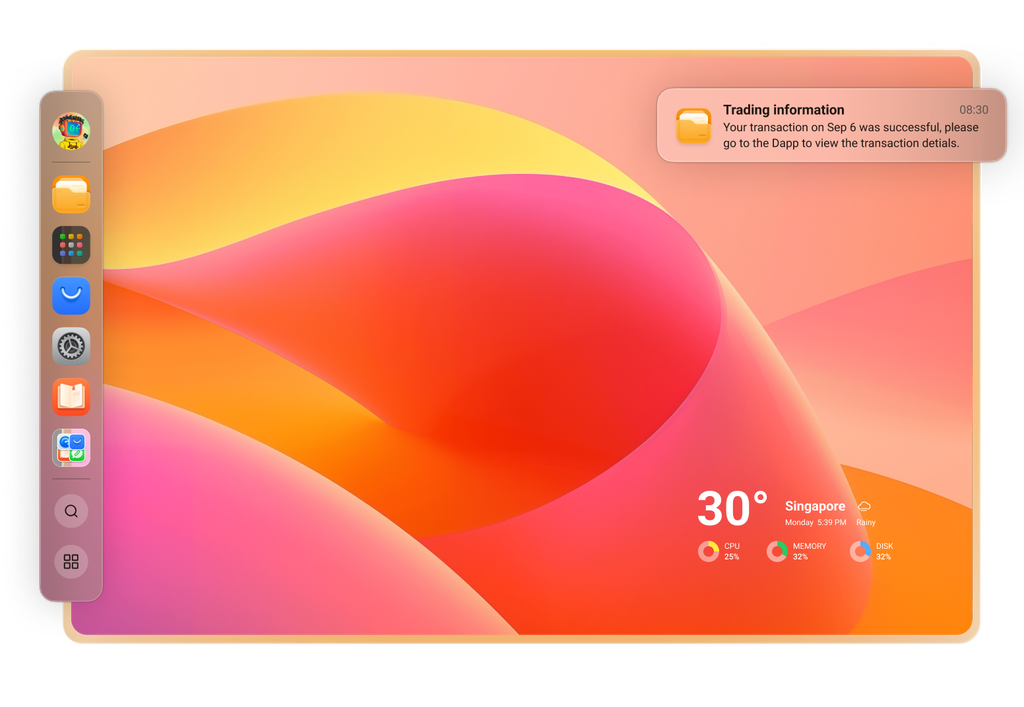
The practical alternative is running open models on infrastructure you actually own. This used to require significant technical overhead, but a new generation of personal server platforms has closed that gap considerably. Olares is one example of this shift, offering a private AI cloud that lets individuals host language models, applications, and storage on hardware under their own control rather than renting capacity from a distant provider.
What This Looks Like in Daily Use
Instead of juggling multiple subscriptions and hoping none of them change terms unexpectedly, users get a consolidated environment where AI workloads run locally, data stays put, and the system scales according to their own hardware rather than someone else’s usage tiers. For anyone who has felt boxed in by a closed platform’s limitations, this kind of setup offers a genuinely different starting point.
Making the Switch Without Overcomplicating Things
Moving toward open source AI doesn’t require abandoning everything you currently use in one step. Start by identifying which workloads are sensitive enough to justify the switch, personal data, business logic, or anything you’d rather not send to a third party. Test an open model against your actual use case before fully committing hardware and time to it. Keep your existing closed-platform tools around for tasks where convenience outweighs the tradeoffs, there’s no rule requiring an all-or-nothing approach. Over time, as comfort with self-hosted infrastructure grows, more workloads can migrate over naturally rather than through a disruptive overhaul.
Deciding Who Holds the Keys to Your AI
The choice between open source AI and closed platforms ultimately comes down to a question of control. Closed systems offer polish and convenience but ask you to trust decisions made entirely outside your view. Open source AI asks more of you upfront, some setup, some learning curve, but hands back the ability to decide how your models run, where your data lives, and what happens when priorities shift. Neither path is universally right, but understanding the tradeoff clearly makes it much easier to choose deliberately rather than by default. As more accessible infrastructure continues to lower the barrier to self-hosting, that choice is becoming less about technical capability and more about what kind of relationship you want with the tools you rely on every day.
