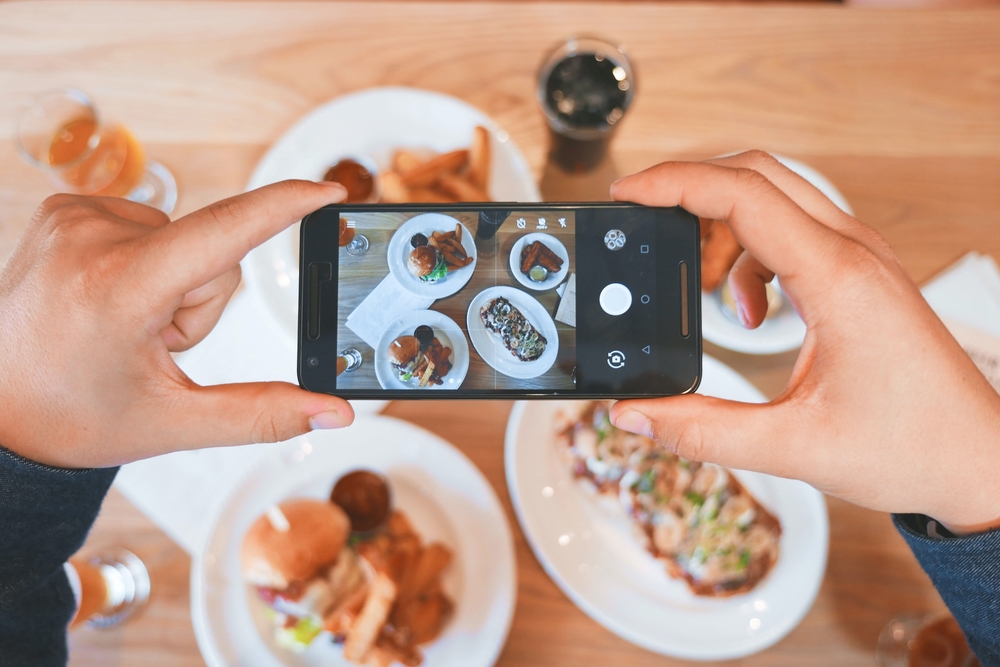
Five years ago, a small restaurant could still treat digital marketing as a side task. The owner posted a food photo on Instagram, updated the menu when someone remembered, replied to a few reviews, and hoped people nearby would walk in. A cafe could survive on regulars. A bar could rely on weekend traffic. A neighborhood restaurant could lean on word of mouth, foot traffic, and a decent sign outside.
That world has not disappeared, but it has narrowed. Food ventures now meet customers long before the customer reaches the door. People check Google Maps while standing on the sidewalk. They watch a stranger cut into a burger on TikTok. They compare menus before leaving home. They judge the lighting from Instagram photos. They read one-star reviews for clues about service, noise, pricing, and wait times. They order from restaurants they have never seen in person.
Digital marketing has moved from decoration to infrastructure. It no longer sits outside the restaurant as a promotional layer. It touches discovery, ordering, reviews, loyalty, staffing, menu design, pricing, events, and customer trust. A cafe, bar, or restaurant now has two rooms to manage: the physical room and the digital room. The second room can fill or empty the first.
The last five years changed the job in three main ways. Discovery became visual and local. Customer relationships became harder to own. Technology made marketing faster, but also less forgiving. The next five years will not reverse that shift. They will make it sharper.
1. The Guest Now Arrives Online First
A restaurant’s first impression used to happen at the window, the host stand, or the table. Now it often happens on a phone screen at 11:48 a.m., when someone searches for “lunch near me,” “quiet cafe to work,” or “best margarita nearby.” That tiny moment decides whether the customer walks in, books a table, orders delivery, or keeps scrolling.
Google Maps became one of the most important marketing channels for food ventures. Many restaurants still think of it as a listing, but customers treat it like a decision engine. Hours, photos, menu links, reviews, location pins, price range, and busy times all shape the choice. A restaurant with great food but wrong hours looks unreliable. A cafe with no recent photos looks closed or neglected. A bar with unclear event details loses people who want a quick answer.
The website also changed. Five years ago, restaurant websites often served as digital brochures. They had a logo, a story, a PDF menu, and maybe a gallery. Today, the website must answer practical questions fast. Where are you? Are you open? Can I book? Can I see the menu? Do you have vegetarian options? Is there parking? Can I order pickup? Is the patio open? Do you host private events?
Customers do not want to hunt for basic information. They leave when a site hides the menu behind a slow PDF or buries the reservation button below a long brand story. A hungry person is not browsing like a magazine reader. They are solving a problem.
The best food businesses now treat digital details as part of service. They update holiday hours. They add recent photos. They remove old menu items. They fix broken links. They answer common questions before customers ask them. That work may feel small, but it protects revenue.
A cafe can lose a morning rush because its Google listing says it opens at 8:00 when it really opens at 7:00. A bar can miss private party inquiries because its website has no event form. A restaurant can spend money on ads while its reservation link sends people to an error page. These are not marketing mistakes in the old sense. They are broken parts of the customer path.
Local search also became more specific. People no longer search only for “Italian restaurant” They search for “Italian restaurant with outdoor seating,” “wine bar open late,” “dog-friendly cafe,” “brunch with gluten-free options,” or “sports bar showing UFC.” The more specific the search, the more useful the digital profile must be.
Restaurants that understand this do not write vague descriptions. They use real details. They mention the patio, the espresso machine, the happy hour, the live jazz night, the private dining room, the vegan ramen, the lunch combo, or the late-night kitchen. Specificity helps people decide.
The next stage will push this further. AI search tools will not simply show a list of restaurants. They will make recommendations based on context. A person may ask, “Where can I take my parents for seafood near the hotel, not too loud, with parking?” Restaurants that have clear, consistent, updated information across the web will have a better chance of being included in those answers.
That means digital marketing will become less about shouting and more about being understood by machines and humans at the same time. Menus, reviews, photos, pages, and listings will need clean signals. If the internet cannot understand what a restaurant offers, the customer may never see it.
2. Food Became Moving Content
Food has always been visual, but the last five years turned it into motion. A still photo of a plated dish can still work, but a short video now carries more appetite. Steam rising from dumplings, a knife cutting through a sandwich, a bartender shaking a cocktail, a barista pouring milk into espresso, a server dropping fries at the table, these moments do more than describe food. They make the viewer feel close to it.
TikTok, Instagram Reels, and YouTube Shorts changed how cafes, bars, and restaurants sell desire. The old social media goal was to keep a nice-looking feed. Restaurants arranged polished shots, matched colors, and posted captions about “good vibes.” That approach now feels too slow by itself. People respond to proof, speed, sound, and texture.
A strong twelve-second clip can do more for a restaurant than a polished campaign. A messy taco can beat a perfect logo animation. A bartender explaining one new drink can beat a generic happy hour graphic. A cook showing the first batch of pastries at 6:30 a.m. can make a neighborhood cafe feel alive.
The biggest change is not only the format. It is the source. Restaurants no longer control all their content. Customers, local creators, delivery drivers, tourists, and regulars all publish their own version of the place. A restaurant can wake up to a viral video it did not plan. That can be a gift or a problem.
A small cafe may get a rush after one creator posts “best pistachio latte in town.” A burger place may sell out because a customer films the first bite. A cocktail bar may become a date-night destination because someone posts the lighting, music, and entrance. But a bad clip can travel too. A messy bathroom, rude exchange, overpriced dish, or long wait can become part of the public record.
This changed the relationship between marketing and operations. Restaurants cannot fake a good social presence for long if the real visit disappoints. The phone sees everything. Lighting, plating, staff tone, menu design, cleanliness, music volume, crowd flow, and even the comfort of restaurant patio chairs can appear in customer content. The room itself has become media.
For cafes, this means the counter matters. The pastry case, cups, latte art, menu board, and seating all become content. For bars, the first drink poured, the glassware, the sound, and the bartender’s movement matter. For restaurants, the arrival of the dish matters as much as the dish itself. A table-side finish, a sizzling plate, a shared dessert, or a colorful sauce can become the hook.
This does not mean every business must chase viral trends. Many should not. A quiet wine bar does not need to dance on TikTok. A family diner does not need to turn every plate into a stunt. The better lesson is to show what already makes the place worth visiting. If the owner makes bread each morning, show it. If the bartender knows every regular by name, show the rhythm of service without invading privacy. If the restaurant has a serious lunch crowd, show the speed and value.
Social media also made local creators more important. A national influencer may bring attention, but a local food account can bring actual guests. Their followers live nearby, trust their taste, and can visit this week. For many independent food ventures, ten small local creators matter more than one large account with a scattered audience.
The next five years will reward restaurants that build a steady content habit instead of waiting for one viral moment. The strongest operators will film small pieces of the business every week: one dish, one person, one detail, one offer, one event. They will stop asking, “What should we post?” and start asking, “What happened today that a customer would care about?”
3. Delivery Split the Restaurant Into Two Brands
The pandemic did not create delivery, but it forced many restaurants to take it seriously. In the years since, delivery and pickup became permanent parts of the business for many cafes, bars, and restaurants. That shift changed digital marketing because the delivery customer does not judge the same things as the dine-in customer.
A dine-in guest notices the host, lighting, music, table spacing, bathroom, staff pace, and energy of the room. A delivery customer judges photos, item names, prep time, packaging, temperature, accuracy, and how the food looks after travel. Those are different experiences. They need different marketing.
A restaurant may have a beautiful dining room and weak delivery photos. A cafe may serve excellent sandwiches but list them with dull names. A bar may have great wings, but the delivery version arrives soggy. A pasta dish may work at the table and fail in a box. The app does not care how charming the room is. It rewards clarity, speed, ratings, and repeat orders.
This created a new kind of menu thinking. Restaurants now need to ask which dishes travel well, which dishes photograph well, which items have strong margins, and which names make sense to a person scrolling fast. “Chicken Sandwich” is not always enough. “Crispy Hot Honey Chicken Sandwich” gives the customer more reason to stop. Photos must show size, texture, and value. Add-ons must be easy to understand. Bundles must feel logical.
Delivery apps also became search engines. Customers search inside Uber Eats, DoorDash, Grubhub, and other platforms the way they search on Google. Categories, reviews, discounts, delivery time, and photos decide visibility. A restaurant that ignores these details gives control to competitors.
At the same time, restaurants learned the cost of dependence. Third-party platforms bring customers, but they also take fees and control the relationship. The restaurant may not own the customer’s email, phone number, or full behavior history. It may get the order but not the relationship.
That pushed many operators toward first-party ordering. They want people to order through their own website, join their loyalty program, sign up for SMS, or book directly. This is not only about saving fees. It is about building a customer base the restaurant can reach without paying a platform every time.
The shift is clear in how restaurants promote pickup. Pickup offers can be more profitable than delivery discounts. A cafe can offer a morning pickup bundle through its own site. A restaurant can promote family meals for Friday pickup. A bar with food can push game-day wings and beer pairings where legal and appropriate. The goal is not to reject delivery apps. The goal is to avoid letting them own the entire customer relationship.
Delivery also changed branding. Packaging became part of marketing. A plain container may do the job, but a smart package can remind customers where the food came from. Stickers, reheating notes, thank-you cards, QR codes, and bounce-back offers can turn a delivery order into a repeat visit. Even a simple message, written in a human voice, can stand out in a bag full of plastic and receipts.
The next phase will make delivery marketing more precise. Restaurants will use order data to see which items bring new customers, which bring repeat customers, which get poor ratings, and which create the best margins. They will stop promoting everything and start promoting the right items to the right people at the right time.
A restaurant will no longer have one menu in practice. It may have a dine-in menu, a delivery menu, a pickup menu, a catering menu, a late-night menu, and a loyalty menu. The best operators will keep those versions connected without pretending they are all the same.
4. Reviews Became Public Operations Reports
Reviews used to be treated as reputation. Now they function like public operations reports. They reveal what customers notice, what staff miss, and what the restaurant repeats.
A one-star review may complain about a long wait. A five-star review may praise a server by name. A three-star review may say the food was good but the music was too loud. A pattern of reviews may show that brunch is understaffed, delivery packaging leaks, the host stand feels cold, or the menu confuses first-time guests.
Restaurants that read reviews only as praise or criticism miss the value. Reviews are messy, emotional, and sometimes unfair, but they contain operational clues. If ten people mention slow cocktails on Saturday night, the issue is not “negative customers.” It may be bar setup, staffing, batching, glassware, or menu complexity. If several delivery customers complain about cold fries, the problem may be packaging, driver wait time, or the wrong item for delivery.
Review management also changed because replies are now part of the brand voice. A robotic reply can make a restaurant seem careless. A defensive reply can make it look worse than the complaint. A short, specific, calm reply often works better.
The best response does three things. It acknowledges the issue, gives one concrete point, and invites the guest back without begging. For example: “You’re right to expect faster service at lunch. We were short at the counter that day, and we have adjusted the schedule for the noon rush. Thank you for saying it clearly.” That sounds like a person, not a template.
Positive reviews deserve attention too. When customers praise a dish, server, patio, playlist, lunch deal, or dessert, they show what the restaurant should market. Reviews can become content ideas. If guests keep mentioning the same soup, film the soup. If they love the bartender’s recommendations, build a post around that. If they praise the quiet corner tables, mention them in search listings and booking notes.
The risk is fake polish. Some restaurants try to bury bad reviews under generic review requests. Others pressure staff to collect five-star ratings without fixing the source of complaints. That strategy may raise the number for a while, but customers read the words. A 4.8 rating with thin, repetitive praise can feel less trustworthy than a 4.5 rating with detailed recent reviews.
Customers have also become better at reading review patterns. They look for recent mentions, owner responses, photos, and repeated issues. They know one angry review may not matter. They also know twenty comments about rude service probably mean something.
For food ventures, review marketing now belongs in the weekly routine. Someone should check major platforms, tag recurring issues, share useful feedback with staff, and turn strong praise into marketing signals. A cafe can spot that customers love its quiet mornings. A bar can see that people want clearer event posts. A restaurant can learn that tourists feel unsure about how to order.
The next five years will bring more review formats, including video reviews, AI summaries, and platform-generated snapshots. Customers may not read every review. They may ask an AI tool, “What do people complain about at this restaurant?” That makes patterns even more important. A restaurant cannot control every comment, but it can control the repeated behaviors that create them.
5. Loyalty Moved From Punch Cards to Customer Memory
The old loyalty card was simple. Buy nine coffees, get the tenth free. It still works in some places because people understand it. But digital loyalty has moved beyond stamps.
Food ventures now collect customer memory. They can know who visits on weekdays, who orders delivery, who books birthdays, who buys natural wine, who comes for trivia night, who stopped visiting, and who responds to a specific offer. That information can help a restaurant speak to customers without sounding random.
This matters because platforms control so much attention. Instagram may not show a post to followers. Delivery apps may place competitors beside the restaurant. Paid ads may get more expensive. Search rankings can change. Email, SMS, and loyalty lists give restaurants a more direct path to people who already care.
The problem is that many restaurants collect data without using it well. They ask for emails and send the same message to everyone. They send too many discounts. They promote dinner to people who only buy lunch. They send “we miss you” messages after two days. Bad loyalty feels like spam.
Good loyalty feels timely. A cafe can send a weekday breakfast offer to office workers who order before 9:00. A bar can invite regulars to a limited tasting before announcing it publicly. A restaurant can send a birthday dinner note with a real reason to book. A family pizza place can promote a Sunday bundle to customers who often order for groups.
The offer does not always need to be a discount. It can be access, convenience, recognition, or relevance. Early booking for a patio night can beat 10 percent off. A free dessert for a birthday may work better than a generic coupon. A reminder about a seasonal dish can bring back people who ordered it last year.
AI will make this easier and more dangerous. It can draft messages, segment customers, summarize reviews, suggest offers, and predict churn. It can help a small restaurant do work that once required a marketing team. But AI cannot fix a weak offer, bad timing, or poor judgment. A message that feels personal but gets the details wrong can irritate customers.
Restaurants need simple rules. Collect only what you can use. Ask permission clearly. Do not over-message. Segment by behavior, not fantasy. Test offers in small groups. Track repeat visits, not just clicks. A loyalty program should make customers feel remembered, not watched.
The next phase of loyalty will connect more parts of the business. Booking systems, point-of-sale data, online ordering, gift cards, events, and email tools will feed into one customer view. Large chains already work this way. Independent restaurants will use simpler versions.
For cafes, that may mean knowing which customers come every weekday and offering them a prepaid coffee plan. For bars, it may mean building guest lists around comedy nights, sports events, or whiskey tastings. For restaurants, it may mean treating private dining inquiries, anniversary bookings, and wine dinner guests as high-value relationships.
The real goal is not data for its own sake. The goal is to stop treating every customer like a stranger.
6. Paid Ads Became Smaller, Sharper, and More Accountable
Restaurant ads used to be broad. A business boosted a post, promoted a grand opening, or ran a general awareness campaign. Some of that still works, especially for new places, but paid marketing has become more specific.
The better question now is not “How do we get more people?” It is “Which empty slot are we trying to fill?” A cafe may need more weekday traffic after 2:00 p.m. A bar may need Wednesday night guests. A restaurant may need private event leads. A brunch spot may need reservations before the weekend. A delivery kitchen may need repeat orders inside a three-mile radius.
Each problem needs a different ad. A slow Monday dinner does not need the same message as a holiday catering push. A private dining campaign should not look like a burger promo. A happy hour ad should target people close enough to act soon. A lunch ad near office buildings should run at the right time of day.
This shift made creative testing more important. Restaurants can test dishes, offers, captions, videos, and audiences. They can see which item gets clicks, which offer gets bookings, and which campaign brings profitable orders. The cost of guessing is higher now because ad platforms are crowded and attention is thin.
Short videos also changed paid ads. A simple vertical clip often beats a polished graphic. People want to see the food, the drink, the room, or the action. A cafe can run a clip of a breakfast sandwich being wrapped for pickup. A bar can show the first pour of a seasonal cocktail. A restaurant can show a server placing a steak on the table, then cut to the reservation button.
The landing point matters as much as the ad. Sending people from a private event ad to the homepage wastes intent. They should land on a private events page with photos, capacity, sample menus, and an inquiry form. Sending a delivery ad to a confusing menu wastes money. Sending a lunch ad to a booking page when customers want pickup creates friction.
Paid ads also expose weak economics. A restaurant can buy traffic and still lose money if the offer is too generous, the average order is too low, the delivery fee is too high, or the guest never returns. Marketing cannot be judged only by likes or clicks. It has to connect to margin, repeat behavior, and table fill.
Discounts need caution. Constant discounts can train customers to wait. They can also attract people who never come back at full price. A discount can work for trial, slow periods, or specific bundles, but it should not become the only reason to visit.
The next five years will make paid restaurant marketing more automated, but not easier. Platforms will use AI to generate audiences, placements, and ad variations. That may save time. It may also make many ads look the same. The restaurants that win will feed the machine better inputs: real videos, clear offers, strong pages, accurate data, and a tight understanding of their best customers.
A good ad will still need a human reason. Come for the new lunch bowl before the meeting. Book the back room before holiday dates disappear. Try the cold brew flight while the weather is hot. Bring four friends for the game. Order the family meal before 5:00. The message should match a real moment in the customer’s life.
7. The Next Five Years Will Belong to Restaurants That Connect the Dots
Digital marketing for food ventures is heading toward integration. The separate pieces are starting to merge. Search, social, reviews, loyalty, delivery, booking, paid ads, and AI will not sit in different boxes. They will shape one customer journey.
A person may first see a taco video on TikTok. Later, they search the restaurant on Google Maps. They read reviews, check the menu, and save it. A week later, they ordered delivery. After that, they receive a pickup offer. Then they book a table. Then they post their own video. The restaurant needs to understand that chain, even if it cannot track every step perfectly.
This is why the old marketing calendar is not enough. Posting “Taco Tuesday” every week does not build a system. A food venture needs a digital routine. Update listings. Capture content. Read reviews. Test offers. Clean the menu online. Build the customer list. Track which campaigns bring real orders. Fix the problems customers keep naming. Repeat.
AI will sit inside much of this work. It will help write menu descriptions, turn reviews into summaries, generate ad variations, answer customer questions, and suggest content ideas. It may help customers choose where to eat. It may help restaurants predict demand. It may even help build dynamic menus based on weather, inventory, and customer behavior.
But restaurants should not confuse automation with personality. Food is still human. People want to know who made the pastry, why the sauce tastes different, what the bartender recommends, whether the owner cares, and whether the staff seems proud. AI can help package the story. It cannot replace the story.
The most important future skill will be clarity. Clear menus. Clear listings. Clear offers. Clear photos. Clear booking paths. Clear replies. Clear customer data. Clear reasons to visit. Many restaurants lose customers not because they are bad, but because they are hard to understand online.
Cafes need to show their daily rhythm. Bars need to show their nights without making every post look staged. Restaurants need to show food, service, and trust before asking for the booking. Food ventures with small budgets can still compete if they stay specific, consistent, and honest.
The next five years will not reward every trend chaser. They will reward operators who know their room, their numbers, and their guests. A cafe that understands its morning regulars can beat a bigger chain on loyalty. A bar that owns its local scene can fill slow nights with the right events. A restaurant that keeps its digital presence clean can win tourists, locals, delivery customers, and private bookings without shouting.
Digital marketing has changed because customers changed. They move between screens and streets, between delivery and dine-in, between reviews and videos, between impulse and research. They expect answers quickly. They trust proof more than slogans. They reward places that feel real before the visit and stay consistent after it.
The food still matters most. A bad meal will not become good because the video performed well. Weak service will not disappear behind a nice website. A confusing menu will still confuse people on an app. The difference now is that digital marketing reveals these truths faster.
For cafes, bars, and restaurants, the future is not about becoming tech companies. It is about using digital tools to make the real business easier to find, easier to trust, easier to order from, and easier to return to. The front door is still there. It just starts on a screen now.
