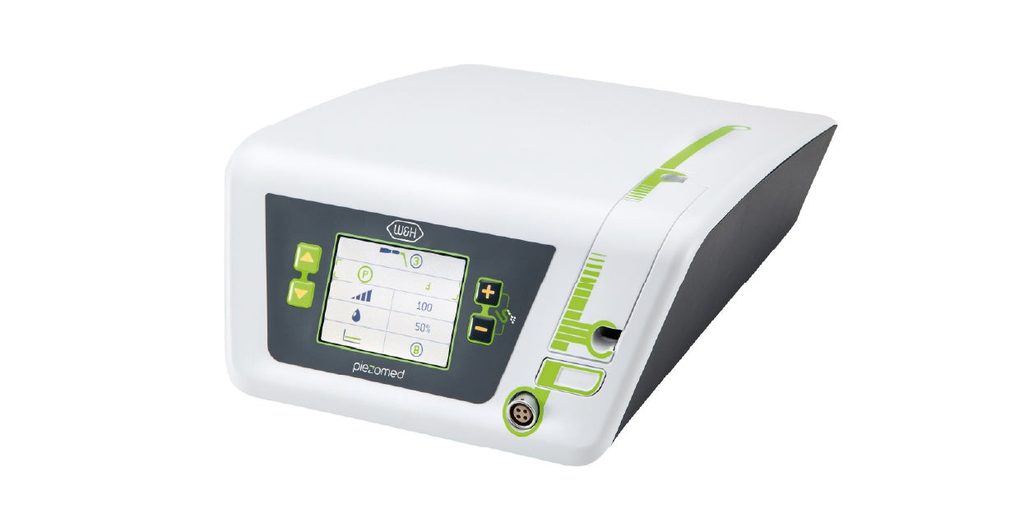
Ultrasonic bone cutting was once a novelty confined to research clinics and a handful of oral surgery specialists. Over the past decade it has moved into general dental practice, reshaping how routine osteotomies, sinus procedures, and delicate periodontal treatments are performed. The reason is straightforward: when a cutting instrument selectively engages mineralized tissue and glides over soft tissue, entire categories of complication become far less likely. Nerves, membranes, and vascular structures that used to demand extraordinary caution around a rotating bur can now be approached with a fundamentally different tool. This shift has been quiet but substantial, and clinicians who came through training a decade ago sometimes underestimate how much the technique has matured. This article examines why ultrasonic bone surgery has moved from margin to mainstream, what the working principles actually deliver at the treatment site, which procedures gain the most from adoption, and what practical steps a clinic should take when integrating this technology into daily workflow.
Why Ultrasonic Bone Cutting Changed the Field
Traditional rotary instruments cut whatever they touch. A carbide bur removes bone effectively, but it also removes soft tissue and small vessels with equal indifference, which is why generations of surgeons developed elaborate retraction and shielding techniques to protect the structures around their target. Ultrasonic instruments work on a different principle: microvibrations tuned to a frequency that shatters the crystalline structure of bone but produces no meaningful cut in the more elastic soft tissues nearby. That selective behavior transforms the risk profile of many procedures.
Beyond selectivity, piezoelectric instruments produce a fine cavitation of the irrigation stream, which clears the working field of debris and blood without additional suction. The result is a cleaner view during dissection and cleaner bone architecture after cutting. For clinicians who have adopted piezo surgery as a routine option, the combination of visibility and safety produces a very different intraoperative experience than rotary alternatives.
Clinical Applications That Benefit Most
Not every dental procedure requires ultrasonic technology. Where the technique earns its place is in operations that combine mineralized cutting with proximity to structures that must survive intact. Understanding these applications helps a clinic decide whether the investment aligns with actual case volume.
Sinus Elevation Procedures
Lifting the schneiderian membrane during lateral or crestal sinus augmentation demands a cutting tool that stops at the soft tissue interface. Traditional rotary instruments have penetrated countless membranes during window osteotomies, requiring repair techniques or aborted procedures. Ultrasonic tips create the bony window and then continue safely against the membrane surface without perforation. The clinical result is a lower rate of membrane complications and a smoother recovery for the patient.
Third Molar and Impacted Tooth Removal
When bone must be reduced around an impacted tooth in close proximity to the inferior alveolar nerve or lingual soft tissue, ultrasonic instrumentation reduces the risk of neurosensory injury. The controlled cutting also produces less mechanical trauma to the surrounding bone, contributing to smaller inflammatory responses and faster early healing.
Periodontal and Endodontic Applications
Root surface debridement, apicoectomy, and crown-lengthening procedures all benefit from instruments that shape hard tissue precisely without damaging adjacent soft tissue. In periodontal surgery, the ability to work within pockets and along root anatomy without lacerating gingiva changes what is technically achievable in a conservative approach.
Integrating the Technology Into a Practice
Adopting ultrasonic surgery is not a matter of unboxing a device and beginning cases. The clinical technique differs meaningfully from rotary work — feedback through the handpiece, cutting rate, and irrigation dynamics all follow different rules. Clinics that transition smoothly usually invest in structured learning before the first patient case.
A practical adoption plan begins with hands-on training on typodonts or animal bone, moves to observed cases with an experienced colleague, and only then applies the technique in low-complexity procedures such as osteotomies for autogenous bone harvesting. As familiarity builds, the operator learns to trust the slower apparent cutting rate — one of the most common early frustrations — and to allow the instrument to work at its natural pace rather than pressing harder. Manufacturers such as Plovio provide training materials and reference protocols that accelerate this learning curve for practices new to ultrasonic surgery.
Tip Selection and Maintenance
The interchangeable tip system is central to ultrasonic surgery’s versatility. Different geometries handle bone cutting, sinus membrane elevation, root planing, and extraction site preparation. Building an appropriate tip inventory for a practice’s case mix takes some planning: too few tips limit clinical range, while too many complicate sterilization workflow and increase the risk of using a worn tip past its useful life. Most manufacturers rate tips for a specific number of autoclave cycles, and honoring that limit preserves cutting efficiency. A tip that has passed its rated cycle count vibrates less efficiently, cuts more slowly, and generates additional heat at the tissue interface, which defeats the thermal advantage of the technology.
Routine maintenance also involves inspecting the handpiece cord for kinks, verifying irrigation lines are free of mineral deposits, and confirming that the generator delivers rated power. A brief pre-case check takes under a minute and prevents intraoperative surprises.
Patient Communication and Expectations
Patients notice the difference. The sound of an ultrasonic device is distinct from a rotary handpiece — quieter, higher pitched, less alarming for many anxious patients. Postoperative reports typically describe less swelling and shorter recovery than comparable rotary procedures, though outcomes vary by individual biology and surgical complexity. Framing these differences in a preoperative discussion helps patients understand why a longer intraoperative time can produce a shorter recovery arc. That conversation, held before the procedure begins, builds the trust that shapes long-term practice reputation.
Ultrasonic Bone Surgery as a Standard Skill
The trajectory of ultrasonic bone surgery within dentistry points toward normalization rather than novelty. Selectivity between hard and soft tissue, cleaner working fields, and gentler recovery profiles combine to make the technique a default choice for a growing list of procedures. Practices that adopt thoughtfully — investing in training, building appropriate tip inventories, and integrating the workflow with existing surgical routines — position themselves to offer patients an experience that increasingly matches the standard of modern oral surgery. Suppliers such as Plovio contribute the equipment, tips, and educational resources that make the transition manageable for clinics of varying size. The most consistent outcomes come to practitioners who treat ultrasonic instrumentation as a genuinely new technique to be learned deeply rather than as a rotary replacement to be adapted quickly.