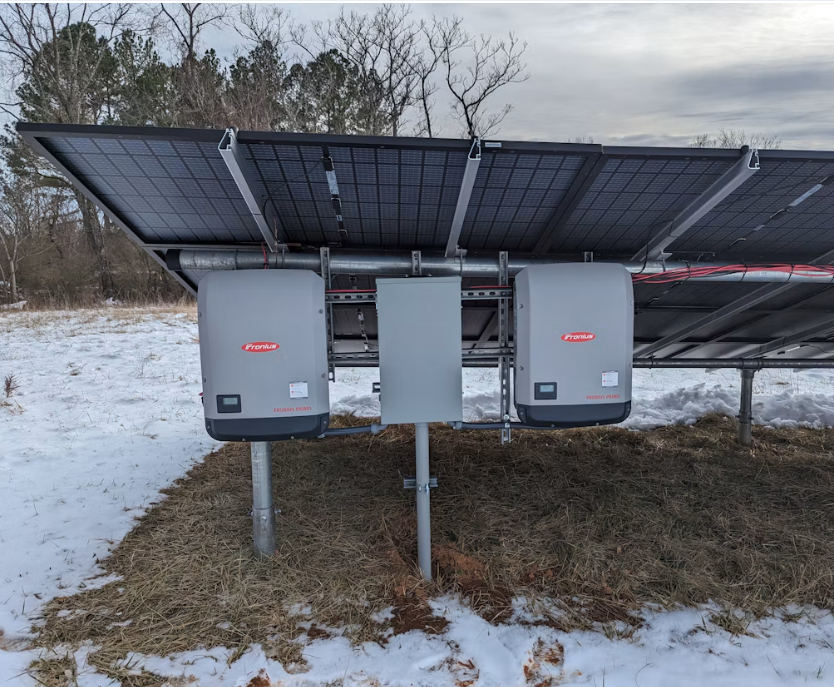
Modern homes need reliable electricity for lighting, appliances, heating, cooling, and digital devices. Solar energy gives homeowners another way to meet these needs. However, solar panels alone cannot manage every part of a household’s energy supply. A hybrid solar inverter connects solar panels, batteries, and other power sources into one system.
This setup helps households use solar electricity more effectively. It can also provide backup power when the grid goes down, depending on the equipment and system configuration. Understanding how these inverters work makes it easier to plan a suitable home energy system. It also helps homeowners choose equipment that matches their daily electricity needs.
Understanding the Role of a Hybrid Solar Inverter
Solar panels produce direct current (DC) electricity, while most household appliances use alternating current (AC). An inverter converts the electricity into a form that household devices can use. A hybrid solar inverter performs this task while also managing energy from batteries and, in supported systems, the utility grid.
Unlike a basic grid-tied inverter, a hybrid model can work with battery storage. This gives homeowners more control over when they use solar electricity. For example, a household can store surplus daytime energy and use it after sunset. The exact capabilities depend on the inverter’s design and installation.
How Solar Panels, Batteries, and the Grid Work Together

A hybrid system connects several energy sources and directs electricity according to system settings. During sunny hours, solar panels usually supply electricity to active household loads. Any additional power may charge the battery or flow to the grid, depending on the system configuration.
When solar production drops, the inverter can draw stored energy from the battery. Some systems can also use grid electricity to support household demand or charge batteries. This arrangement helps balance energy production and consumption throughout the day. Proper configuration is essential because power limits and operating modes vary between models.
The Importance of Energy Conversion
Energy conversion is one of the inverter’s main responsibilities. Solar panels generate DC power, but household circuits generally require AC electricity. The inverter converts that power while controlling its output to match the electrical requirements of connected equipment.
Conversion efficiency affects how much usable electricity reaches household appliances. Some energy is lost during the conversion process. Choosing an inverter with suitable efficiency ratings can help reduce these losses. Homeowners should also consider its rated output and compatibility with their electrical loads.
What Makes a Hybrid Solar Inverter Charger Useful?
A hybrid solar inverter charger combines several energy management functions in one device. It converts solar electricity into usable power and manages battery charging and discharging. This arrangement reduces the need for separate equipment in systems that support integrated charging and conversion.
Some models include built-in maximum power point tracking (MPPT) technology. An MPPT controller adjusts the electrical operating point of solar panels to collect available energy efficiently. This helps the system respond to changing sunlight conditions throughout the day. The charger’s power limits and supported battery types still determine its practical performance.
How Built-In MPPT Technology Helps
Solar panel output changes with sunlight intensity, temperature, and shading. An MPPT controller continuously adjusts its operating conditions to find a suitable power point. This process helps the system collect more energy than a basic charging method under many operating conditions.
For example, a rooftop installation may receive direct sunlight in the morning and partial shade later in the afternoon. MPPT technology responds to these changing conditions. However, the number of MPPT inputs and their voltage ranges also matter. These specifications affect how installers arrange solar panels.
Managing Household Electricity Throughout the Day
A hybrid system can adjust its energy sources as household demand changes. During the afternoon, solar panels may produce more electricity than a home currently needs. The inverter can direct available surplus power toward battery charging, subject to its operating settings.
After sunset, solar production stops, but household electricity demand continues. The system can use stored battery power to supply supported loads. If the battery reaches its configured limit, the inverter may switch to grid electricity or another available source. This flexibility helps households plan energy use around their daily routines.
Supporting Essential Appliances During Outages
Power interruptions can affect internet connections, refrigeration, lighting, and other household activities. A backup-capable hybrid inverter can supply selected appliances using stored battery energy. Its ability to maintain power depends on the inverter’s backup output, battery capacity, and connected loads.
Homeowners should identify essential appliances before planning their backup system. A refrigerator, several lights, and a router have different power requirements from an air conditioner or electric oven. Separating essential circuits can help prevent unnecessary battery drain. It also makes it easier to estimate how long backup power may last.
Hybrid Systems Compared With Other Solar Inverters
Different inverter types serve different household requirements. A grid-tied inverter mainly converts solar power and works alongside the utility supply. An off-grid inverter supports independent systems that rely on solar generation and battery storage.
A hybrid model combines functions associated with grid-connected solar and battery-based systems. However, not every hybrid inverter supports every operating mode. Some require batteries for backup, while others can operate without them under specific conditions.
| Inverter type | Main function | Battery support | Typical application |
| Grid-tied | Converts solar power for grid-connected use | Usually no | Homes focused on solar generation |
| Off-grid | Supplies power in independent systems | Yes | Remote properties and locations without reliable grid access |
| Hybrid | Manages solar, battery, and grid power | Yes, depending on model | Homes needing solar generation and backup options |
The right configuration depends on local grid conditions, energy consumption, and backup requirements. Homeowners should also check whether the system supports grid export and meets local interconnection rules.
Important Features to Check Before Installation
Choosing an inverter involves more than comparing its advertised power rating. The equipment must match the solar array, battery bank, and electrical requirements of the property. Reviewing its technical specifications can prevent compatibility problems later.
Consider these important features when evaluating a system:
- Rated output power: Check whether the inverter can support the combined demand of the appliances you plan to operate.
- Surge capacity: Motors and compressors may require additional power when starting.
- Solar input limits: Confirm the supported panel capacity, voltage range, and maximum input current.
- Battery compatibility: Check the supported battery voltage, chemistry, and communication requirements.
- Charging capacity: Review the maximum solar and grid charging currents.
- Operating modes: Confirm which combinations of solar, battery, and grid power the inverter supports.
A hybrid solar inverter charger with integrated charging controls can simplify equipment planning. However, built-in features do not remove the need for correct wiring, suitable protection devices, and professional installation.
Planning Battery Capacity Around Real Energy Needs
Battery capacity determines how much electricity a household can store for later use. A larger battery may support longer backup periods, but the inverter must be compatible with its voltage and charging requirements. Battery selection should begin with an estimate of essential electricity consumption.
For instance, a household that mainly needs lighting, fans, and internet access has different storage requirements from one that also operates several air conditioners. Homeowners should calculate the expected energy use of essential appliances over the intended backup period. They should also account for battery discharge limits and conversion losses.
Battery chemistry is another important consideration. Lithium iron phosphate batteries and lead-acid batteries have different charging characteristics, maintenance requirements, and usable capacities. The selected inverter must support the chosen battery type and its communication requirements where applicable.
Installation and Safety Considerations
Correct installation affects both system performance and electrical safety. Solar panels, batteries, and household circuits must connect according to the inverter manufacturer’s specifications. Incorrect voltage, poor cable sizing, or unsuitable protection equipment can create serious problems.
A qualified installer should inspect the property’s electrical setup before connecting the equipment. The installation may require suitable circuit breakers, disconnect switches, surge protection, and grounding. Battery placement also matters because temperature, ventilation, and physical protection can affect operation.
Homeowners should review the inverter’s installation manual and warranty conditions. They should also confirm which maintenance tasks require a qualified technician. A properly installed system is easier to inspect and troubleshoot over time.
How Smart Energy Settings Improve System Control
Many modern hybrid systems offer configurable operating modes. These settings determine how the inverter prioritizes solar generation, battery storage, and grid electricity. Users can select an arrangement that reflects their energy priorities and local electricity conditions.
For example, a household may prioritize charging its battery during sunny hours. Another household may prefer to reserve stored energy for outages instead of using it every evening. Some systems also provide monitoring applications that display solar production, battery levels, and household consumption.
Monitoring makes it easier to recognize changes in energy use. Homeowners can review daily patterns and adjust their settings when necessary. The available controls vary by model, so it is important to check the monitoring and scheduling features before purchasing equipment.
Frequently Asked Questions
Can a hybrid solar inverter work without a battery?
Some hybrid inverters support battery-free operation, using solar power and grid electricity instead. Others require a connected battery for certain operating modes. Always check the manufacturer’s specifications.
Does a hybrid solar inverter provide electricity during a power outage?
A backup-capable model can supply electricity during an outage when configured with a suitable battery. Backup performance depends on its output capacity, battery charge, and connected appliances.
What does an MPPT controller do in a hybrid inverter?
An MPPT controller adjusts the electrical operating point of solar panels to collect available power efficiently. It responds to changes in sunlight and panel temperature.
Can a hybrid solar inverter charger support lithium batteries?
Many models support compatible lithium battery systems. Check the supported voltage, battery chemistry, charging limits, and communication protocols before connecting a battery.
How do I determine the right inverter capacity for my home?
List the appliances you want to operate and calculate their combined power demand. Consider starting surges, future requirements, solar input limits, and the battery system when selecting inverter capacity.
Conclusion
Hybrid solar systems give households greater control over how they generate, store, and use electricity. A hybrid solar inverter manages the movement of power between solar panels, batteries, the grid, and connected appliances. Its backup and energy management capabilities depend on the model and system configuration.
A suitable hybrid solar inverter charger can also simplify battery charging and solar energy management. Before choosing equipment, review your electricity needs, battery compatibility, solar input specifications, and backup requirements. Careful planning helps create a home energy system that fits everyday use and remains practical as household needs change.