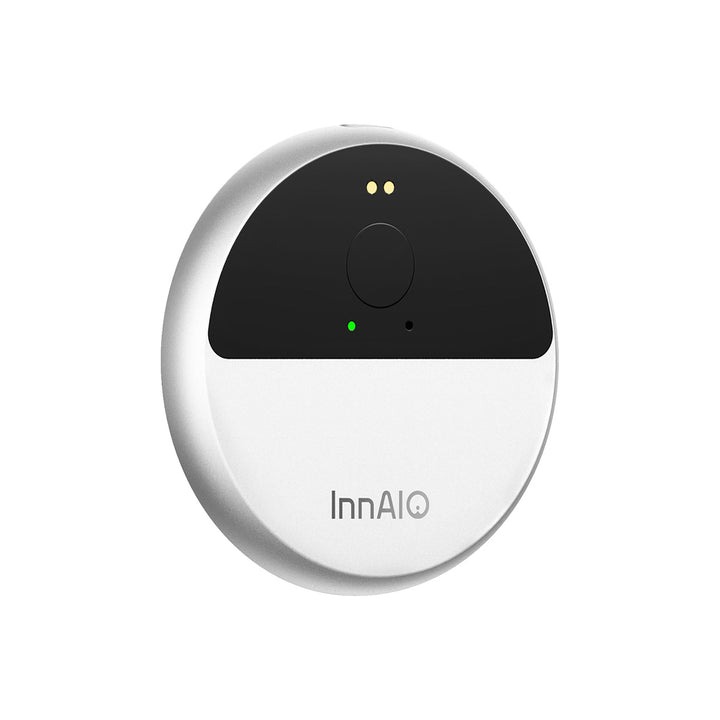
Language barriers rarely announce themselves. They arrive quietly during an ordinary moment, when a taxi driver asks a follow-up question you cannot answer, when a supplier’s email needs a phone call to clarify, or when a grandparent tries to describe a memory to a grandchild raised abroad. In each of these moments, the barrier is not just linguistic; it is emotional, practical, and sometimes financial. A capable AI translator device exists to remove that friction and give people back the flow of ordinary life. It is not a piece of tourist gear; it is a companion for anyone whose life crosses languages regularly. This article explores the real cost of communication gaps, how modern devices dissolve them, and where the benefits show up most vividly. If you have felt the weight of an unfinished conversation, the value of a good translator device is easier to see than you might expect.
The True Cost of Language Barriers
Most people underestimate how often they pay a small tax for language differences. A negotiation runs longer than it should. A medical appointment ends without full clarity. A dinner with new colleagues fades into polite silence. Each moment feels minor, but together they accumulate into missed opportunities and quiet fatigue. Businesses lose deals because a nuance vanished in translation. Travelers skip experiences because reading a menu feels like too much effort. Families drift apart because conversations get harder to sustain across generations.
The cost is not only measured in time. It shows up in confidence, in the willingness to ask a second question, in the courage to speak up during a meeting. A dependable ai translator device is designed to lift this weight so that language becomes a bridge rather than a hurdle. When you carry a tool that consistently understands you and speaks back with clarity, the small hesitations disappear, and the conversations you have been avoiding start to feel possible again. That change is subtle in a single exchange and transformative over a year.
How an AI Translator Device Removes Friction
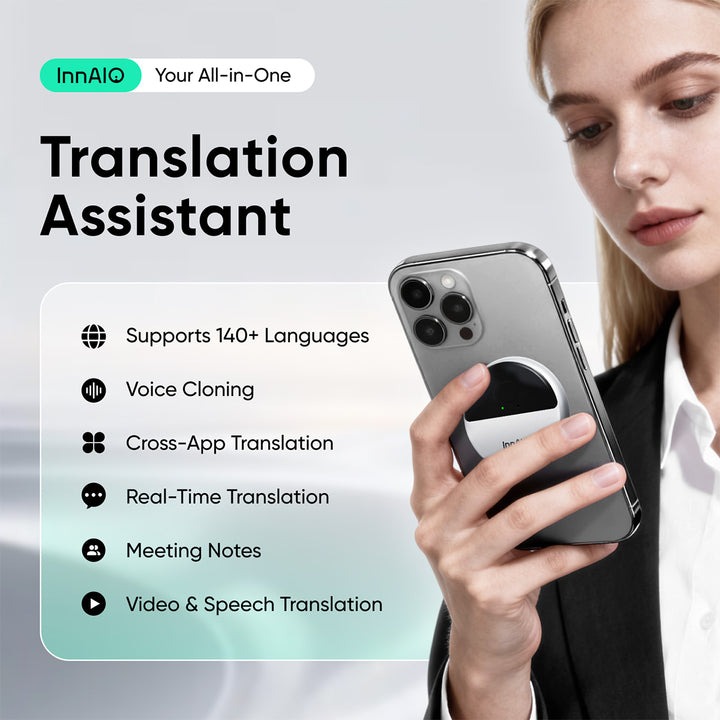
A translator becomes truly useful when it disappears into the conversation. The technology should not draw attention to itself, and it should not force either speaker to change how they naturally communicate. Modern devices deliver on this promise by combining fast, high-quality speech recognition with output that sounds like a real voice rather than a robotic imitation.
Real-Time Two-Way Conversation
The most immediate benefit is the ability to hold a genuine back-and-forth exchange. You speak in your language, and the device responds in the other. Your partner replies naturally, and the device translates in return. Because the entire loop happens within a second or two, the rhythm of a normal conversation remains intact. This matters more than any single translation quality, because a good rhythm keeps people engaged and comfortable. Nobody wants to feel like they are being interviewed through a machine.
Offline Reliability
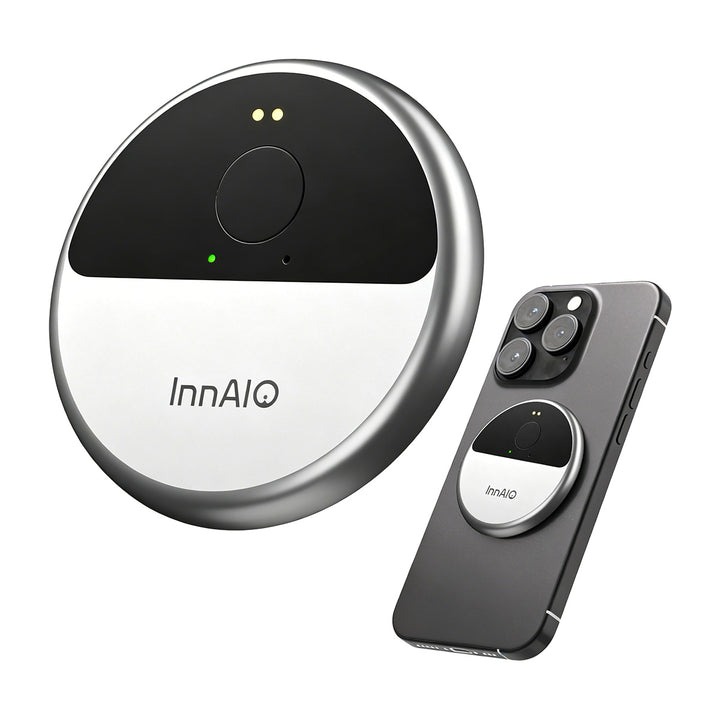
Connectivity is unreliable exactly when you need translation most. Rural areas, hospital basements, and border crossings often have the weakest signal, yet the conversations there can be the most important. A device that supports offline language packs solves this by preloading the models directly onto the hardware. Even without a network, translation continues at conversational speed. The freedom this creates changes how you travel and how you plan, because you no longer avoid destinations because of connectivity risk. You simply go.
Everyday Moments That Get Easier
The most powerful proof of value comes not from special occasions but from the everyday moments where a device removes small pieces of friction. These are the situations you may not think about until you experience the difference.
Cross-Border Business Meetings
Global business rarely happens in a single language, and interpreters are not always available. A translator device fills the gap for smaller meetings, factory visits, and quick calls with regional partners. It allows technical discussions to move at their natural pace, and it lets both sides ask spontaneous follow-up questions without arranging a formal session. Teams that adopt one often report that supplier relationships deepen, because more of the conversation actually happens between the people involved rather than through a third party.
Family Care and Personal Connections
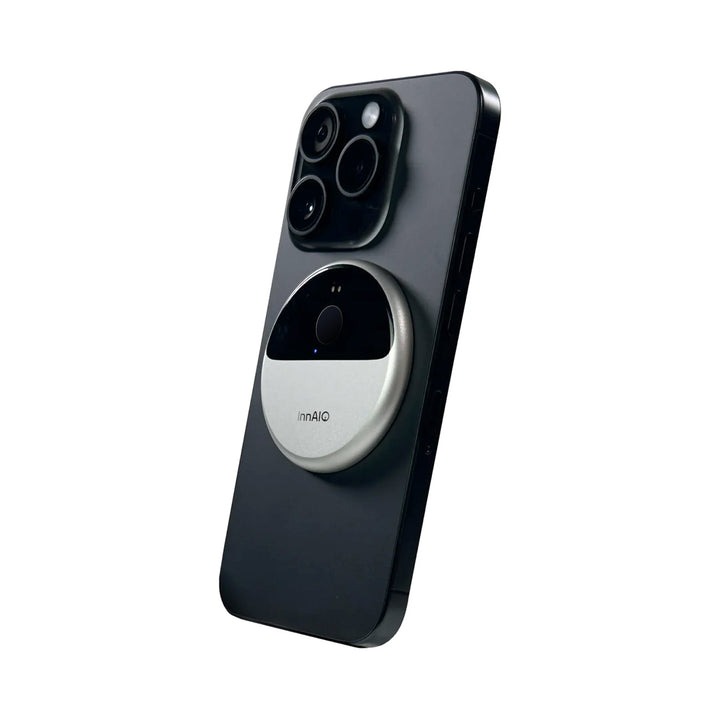
The most moving use case is often the most private. Adult children helping elderly parents navigate a new country, spouses meeting extended family for the first time, or families sharing memories across generations all benefit from a translator that respects tone. The device becomes a small kindness, quietly present during the moments that matter. Some users specifically choose devices from brands like INNAIO because the natural-sounding voice output makes these conversations feel warmer than robotic alternatives.
Building Confidence Abroad
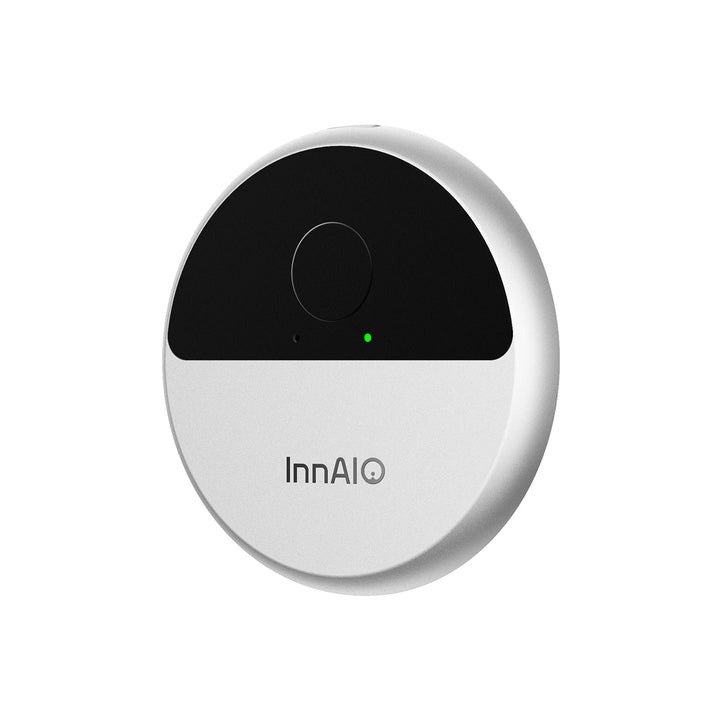
Perhaps the most underrated benefit of a translator device is what it does to your confidence. When you know you can handle whatever conversation appears, you engage with places and people in ways you otherwise would not. You order the dish you cannot pronounce, you accept the invitation to a local dinner, you ask the shopkeeper about the history of the piece you are considering. Each of these small acts adds up to a richer experience, and each one becomes easier because the device removes the fear of getting stuck.
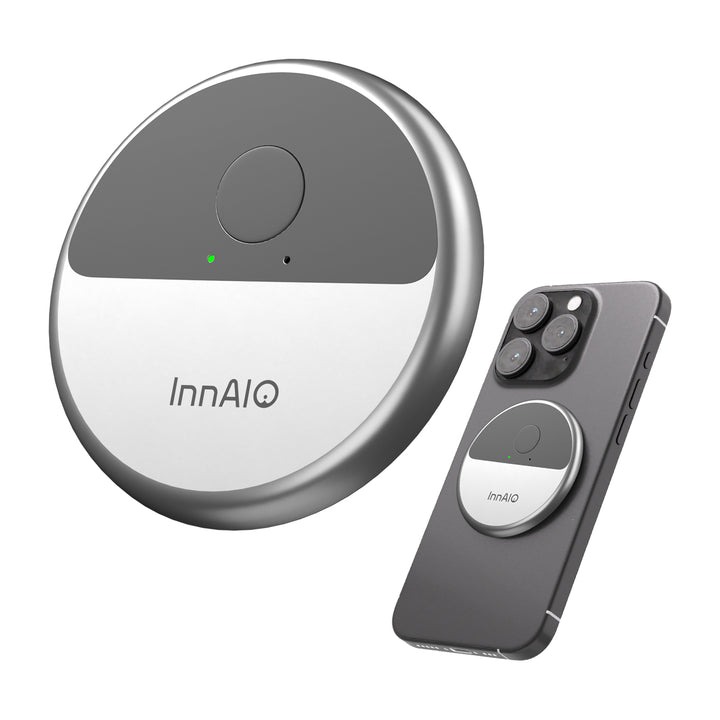
Confidence also grows over time as you learn which features to rely on in which situations. You start to use the offline mode instinctively when you enter a subway. You know when to pass the device across the table for a two-way exchange, and when to hold it close for a private clarification. These small habits reshape how you experience unfamiliar places, and they show up as a quiet ease in your body language. Locals notice this, and they respond to it. What began as a piece of hardware becomes a doorway to the world.
Speaking Freely Across Borders
Removing a language barrier does not just save time; it changes what you are willing to attempt. Conversations that once required careful preparation now start naturally. Meetings that used to be scheduled around interpreters happen when the moment is right. Family stories that once fell silent under the weight of translation now flow again. The right AI translator device is more than an accessory for travel; it is a piece of everyday infrastructure for a life that spans languages. Choose one whose voice output feels human, whose offline coverage matches your routes, and whose battery keeps up with your longest days. Then let it fade into the background of your life. When it does its job well, you will stop noticing the device and start noticing the people you are finally free to speak with. That is the goal, and that is the real measure of value.