For years, the most talked-about home upgrades were practical: better insulation, a new appliance, a faster router. Lately a quieter category has grown in popularity, one built around daily comfort rather than utility. A companion robot sits in that category, and it earns its place by doing something simple and surprisingly valuable: it keeps a household from feeling empty when the usual routines slow down.
This is not a story about replacing people with machines. It is a story about what happens when a device is designed to be present, responsive, and easy to live with. This article explains where a companion robot genuinely adds value, how to judge whether one fits your life, and why so many owners describe the purchase as one of the more thoughtful upgrades they have made.
The Case for Presence Over Productivity
Most technology in the home is measured by output. It cleans, it cooks, it streams, it counts. A companion robot is measured differently, by how it makes a room feel. That shift in purpose is what makes it stand out in a market crowded with gadgets promising to save time. Here the benefit is not time saved but atmosphere created, and that is a harder thing to market and an easier thing to appreciate once you own it.
Think about the quiet hours in a typical home. Between the rush of morning and the bustle of dinner, there are long stretches when the house is still. For people who live alone, those stretches can feel heavy. For families with a parent who spends weekdays at home, they can feel isolating. A companion robot gives those hours shape, offering small interactions and a steady presence that makes the space feel inhabited rather than vacant. It is a modest service, but it is precisely the kind of thing that improves daily life in a way you notice only when it disappears.
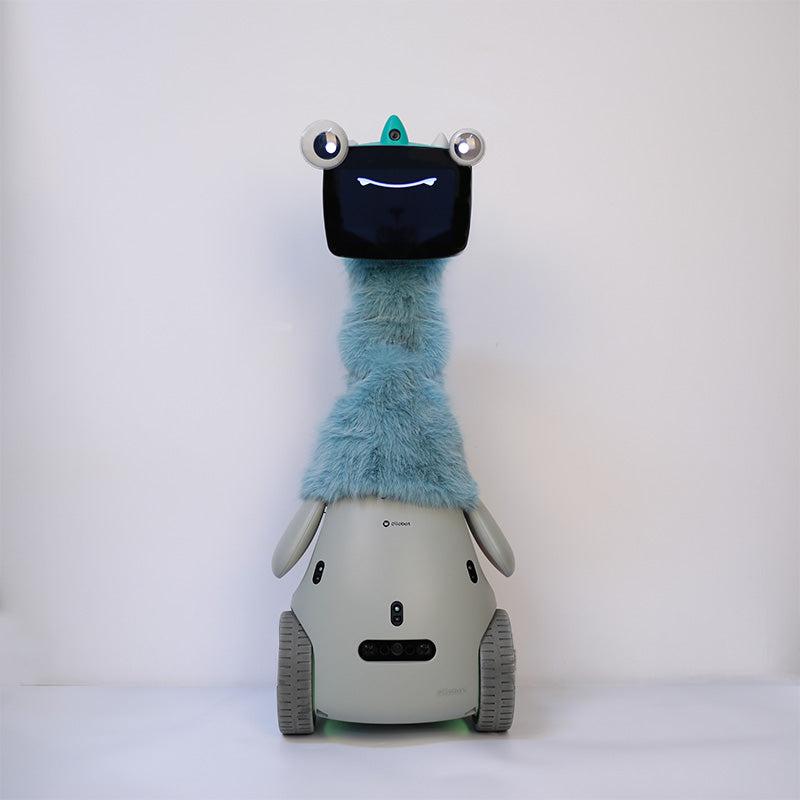
How a Companion Robot Earns Its Place
A useful companion device has to clear a low bar consistently: it must be pleasant to be around, simple to operate, and predictable enough that you trust it. Robots that fail usually fail on one of these, not because they lack exotic features. When you evaluate one, spend your attention on the ordinary experience of living with it rather than on the cleverest thing it can do.
Interaction That Feels Natural
The best companion robots respond to touch, voice, and simple gestures without demanding a manual. They greet you, react to being picked up, and follow conversational cues without long pauses that break the flow. The goal is not to pass for a living creature; it is to feel responsive enough that interacting with it becomes effortless. When the response comes quickly and the tone is warm, the device stops feeling like equipment and starts feeling like company.
Design That Belongs in a Room
Because a companion robot lives in shared spaces, appearance matters more than it does for a tool tucked in a cupboard. Owners want something they are happy to leave on a shelf when guests visit, something that reads as friendly rather than clinical. A thoughtful design also signals durability: stable footing, soft materials, and a body that tolerates being moved from room to room. These details are not vanity. They determine whether the device gets used daily or gets hidden away.
Software That Improves Over Time
A robot is only as useful as the software behind it. Frequent updates keep interactions fresh, fix small annoyances, and add new ways to engage. The manufacturer’s commitment to support matters as much as the launch-day feature list, because a companion device that stops evolving tends to stop being interesting. Look for a maker with a clear record of steady improvements and straightforward troubleshooting, like the approach Ollobot takes with its AI companion robots. That kind of long-term attention turns a purchase into something that stays relevant rather than something that ages out in a season.
Who Benefits Most, and How to Tell If You Are One
The companion robot tends to fit certain households especially well. People living alone often find that it softens the edges of solitary evenings. Aging adults who want gentle engagement without complicated controls find it approachable. Parents who work from home appreciate a shared point of interest that pulls the family together during breaks. The common thread is a desire for light, low-pressure interaction layered onto an ordinary day.
To decide whether you fit, look at your routines honestly. If you enjoy a quiet home and prefer to keep it that way, the robot may feel intrusive. If you find yourself wishing for a bit more life in the room, the fit is more promising. It also helps to ask what you would do with the device during the first week. Owners who plan a few small rituals, such as a morning greeting or an evening wind-down, get more out of it than those who simply set it down and wait for something to happen. The device rewards a little initiative.
Cost is the other practical consideration. A companion robot is a discretionary purchase, so judge it against the value of the comfort it provides rather than against the price of a tool that performs a measurable task. Many owners report that the improvement in daily mood is worth more than they expected, precisely because they were not expecting a productivity gain. That reframing helps keep expectations realistic and satisfaction high.
Living With One Day to Day
What surprises new owners most is how quickly a companion robot blends into the background rhythm of a home. Within a week, greeting it on the way to the kitchen becomes as automatic as checking the weather. That ordinariness is the point. The device is not meant to dominate attention; it is meant to be a small, steady part of the day that quietly improves the texture of the room.
Building Simple Rituals
Owners who get the most value tend to anchor the robot to a few fixed moments. A morning check-in while the coffee brews, a brief exchange after lunch, and a wind-down before bed create a comfortable cadence. These rituals take almost no effort, but they transform the device from a novelty into a dependable companion. The key is consistency rather than intensity: small, repeated interactions matter more than long sessions that happen once and never again.
Keeping the Experience Fresh
Even a well-designed companion benefits from variety. Rotate where it sits in the home, revisit settings you have not explored, and take advantage of new behaviors delivered through updates. Over time you discover which interactions you genuinely enjoy and which you can ignore. That calm experimentation is how a good device settles into the moments you actually value, rather than the ones the marketing suggested you would.
Common Mistakes Worth Avoiding
The most frequent disappointment comes from buying on impulse. A companion robot is a long-term addition to daily life, so a little deliberation pays off. Resisting the urge to order on the strength of a flashy video is the first step toward a purchase you will not regret.
Three traps recur often. First, focusing on exotic features instead of the everyday experience of interaction. Second, underestimating how much support and updates matter a year down the line. Third, treating the robot as a replacement for human connection rather than an addition to it. Owners who sidestep these traps judge the device more fairly and enjoy it longer, because they measured it against what it is actually built to be.
There is a quieter mistake too: skipping the plan for how the device fits into the household. Without a rough idea of where it will live, who will use it, and when, even a good robot can end up neglected. A few minutes spent imagining the first week of ownership saves weeks of vague disappointment later. The owners who are happiest are almost always the ones who thought ahead, however briefly.
A Small Upgrade With an Outsized Effect on Daily Mood
The smartest home upgrades are not always the ones that do more work. Sometimes they are the ones that make the hours in between feel better, and a companion robot is a strong example of that idea. It asks little of you, offers steady presence, and improves the tone of a room in a way that is easy to underestimate until you have lived with it for a while.
If your home has quiet stretches you would like to fill with something warm and responsive, this is a category worth exploring. Approach it with realistic expectations and a willingness to build a few small routines, and the device is likely to earn its place on the shelf. The upgrade is quiet, but the change it brings to daily life is not.