Few things upset a household faster than a litter box that announces itself from the next room. You scoop in the morning, scrub the pan on the weekend, light a candle, and by evening the smell has crept back into the hallway. Most owners assume this is simply part of living with a cat, but persistent odor usually means something in the setup is working against you. The box may be too small, the litter may not suit your cat’s digging style, or the cleaning routine may look thorough while missing the places that matter. None of these issues calls for a renovation or an expensive gadget. They call for understanding what actually produces odor and then removing the conditions that let it build.
This guide looks at the mechanics of litter box odor, from the moment waste leaves your cat to the moment it reaches your nose. It then walks through a reset that goes deeper than a surface wipe, followed by upgrades and daily habits that keep a box pleasant for weeks rather than hours. The goal is not a perfectly sterile bathroom; it is a box that stays neutral, a cat that keeps using it, and a home that no longer greets guests with a warning.
Why Odor Comes Back So Fast
A cat litter box is a small, enclosed ecosystem where urine, feces, litter, air, and your cat’s paws constantly interact. Odor is rarely one dramatic failure; it is a series of small ones stacking up. When waste stays in contact with litter for hours, bacteria begin breaking down urea into ammonia, and that sharp smell is what lingers in fabric and paint. Add humidity, poor ventilation, and litter that has absorbed more than it can hold, and the box becomes a reservoir that releases odor every time your cat digs.
Waste That Sits Below the Surface
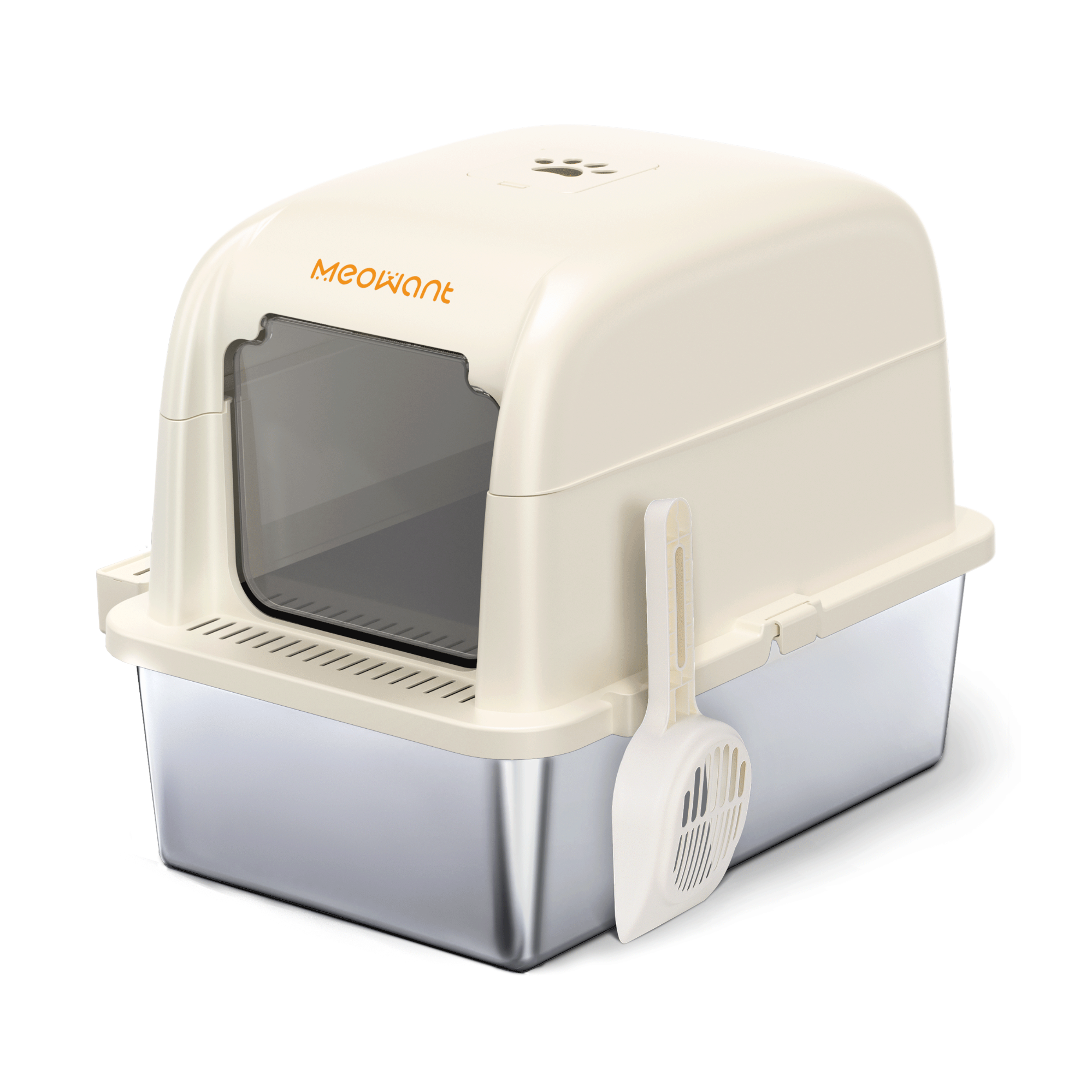
Scooping the top layer feels productive, but clumps break apart and settle. Fine particles of soiled litter sift to the bottom of the pan, and urine can reach the plastic itself when the litter is too shallow. Once the base layer is contaminated, no amount of surface scooping will fix it. Run a gloved hand through the litter weekly; if you feel damp patches or a crust forming at the bottom, the box needs a full reset rather than another quick pass.
The Wrong Litter for Your Cat’s Habits
Litter is not interchangeable. A cat that digs deep needs a clumping litter that holds together under pressure; a cat that barely covers its waste may do better with a material that neutralizes quickly on contact. Scented litters can mask odor for the owner while overwhelming the cat, and some cats respond by avoiding the box entirely. Crystal and silica products control moisture well but can dull the natural digging experience for cats that like texture. Match the material to the behavior you observe, not to the label that promises the most.
A Box That Traps Air Instead of Moving It
Hooded boxes offer privacy, but a closed lid with a single small opening keeps humidity and ammonia concentrated inside. Every time the cat exits, that trapped air escapes into the room. The same problem appears when a box is pushed into a closet or sealed against a wall. Ventilation matters as much as cleanliness: a box with cross airflow dries faster, and dry litter is far less hospitable to the bacteria that create smell.
A Reset That Actually Clears the Air
When odor has settled in, stop spot-cleaning and start over. A proper reset takes about half an hour and buys you weeks of freshness. The sequence matters more than the products you use.
Empty, Wash, and Dry Completely
Dump the litter into a bag and set it aside, then wash the empty pan with warm water and a mild, unscented soap. Avoid bleach and heavy disinfectants; plastic scratches hold residue, and strong chemical smells push cats away. Scrub the corners and the seam where the base meets the sides, since that is where clumps weld themselves to the surface. Rinse thoroughly, then let the pan dry in the sun if possible. Moisture left behind will start the cycle again the moment fresh litter goes in.
Rebuild the Box With Intention
Add litter to a depth that lets your cat dig without touching the bottom, usually a few inches for most adults. Too little litter means urine reaches the plastic; too much means waste disappears below the scoop line. If you use a liner, make sure it lies flat and is not torn, because a bunched liner creates gaps where liquid collects. Place the box on a hard, washable surface rather than carpet, which absorbs odor and releases it slowly for months.
Match Scooping to Your Cat’s Schedule
Most cats use the box shortly after eating and again overnight. Scoop at least once a day, and add a second pass in the evening if you have more than one cat. The point is not just removing waste; it is resetting the surface so the next visit starts clean. Keep a small scoop and a sealed waste bag beside the box so the task takes seconds, because a routine that requires a trip to the kitchen is a routine that gets skipped.
Pay attention to how your cat behaves right after you scoop. Many cats wait by the box and step in as soon as the lid is removed, which tells you they prefer a fresh surface and may be holding back when the box is dirty. If you notice that pattern, moving to two scoops a day can eliminate most of the avoidance and urgency accidents that owners misread as behavioral problems. It also gives you a twice-daily view of what is going into the box, which is useful for spotting health changes early.
Keep the waste out of the room, not just out of the pan. A bag that sits beside the box for a day reintroduces the smell you just removed, and a kitchen bin that receives litter clumps will perfume the whole floor. Use a small bin with a tight lid or take the bag out with the daily trash. This one habit does more for ambient odor than most odor-absorbing products on the market.
Upgrades That Pay Off
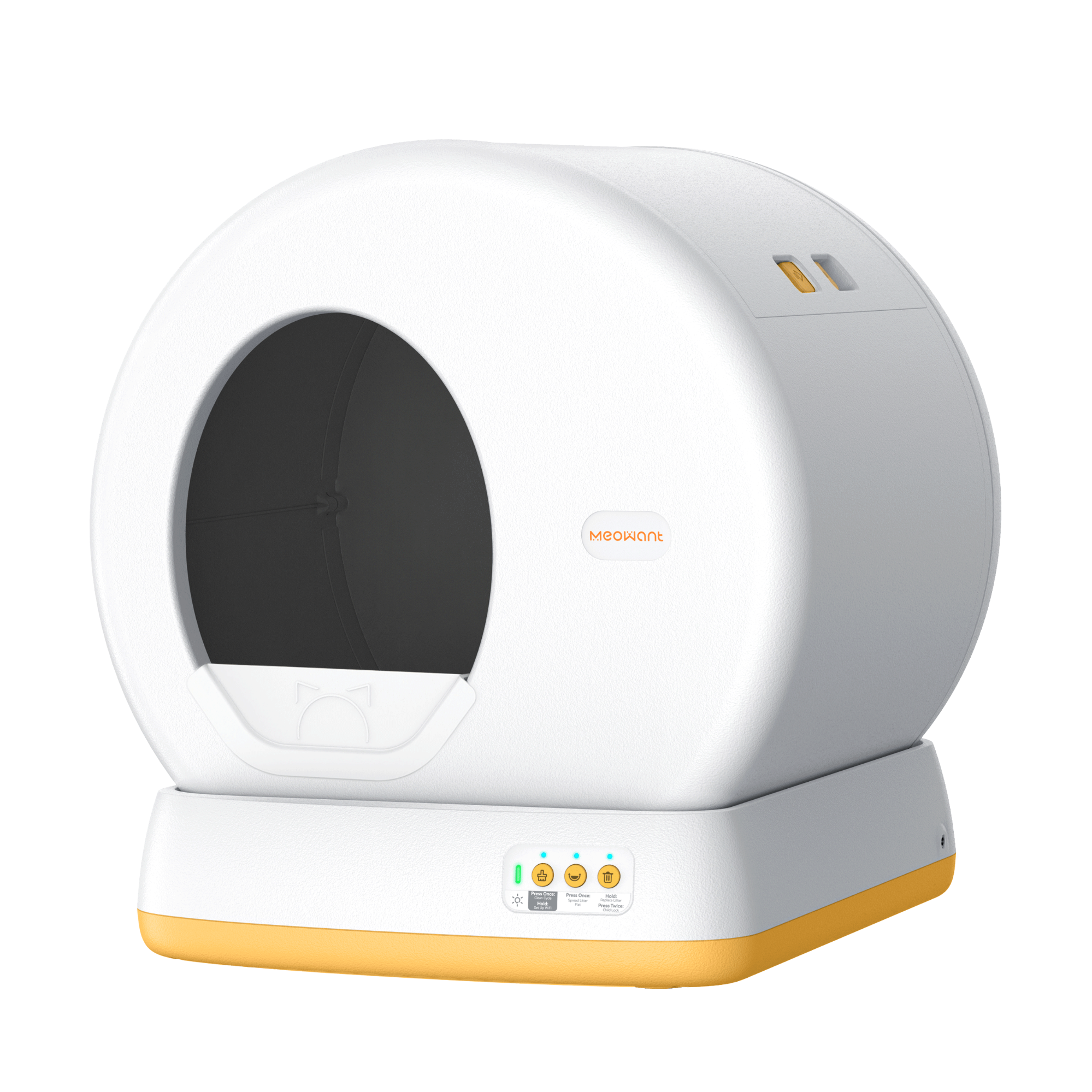
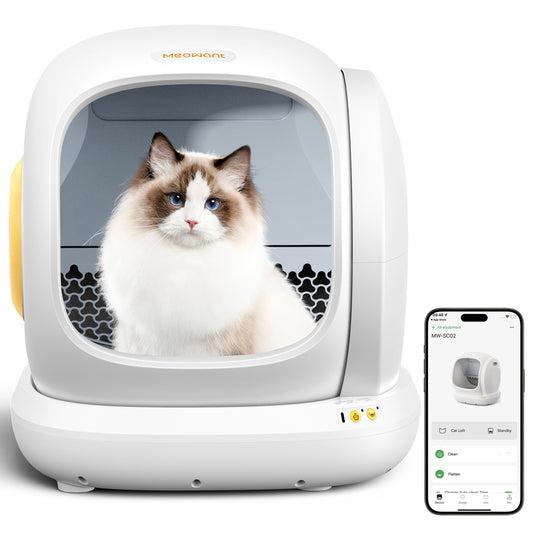
If odor keeps returning despite good habits, the hardware may be the bottleneck. A larger pan gives waste more room to dry, and a deeper base prevents leaks. Self-cleaning designs, including options from Meowant, remove clumps on a schedule and reduce the time waste spends in contact with litter, which helps in busy households where daytime scooping is unrealistic. Whatever you choose, prioritize easy access for cleaning over extra features, since a box that is hard to empty will be emptied less often.
Habits That Keep It Fresh Between Deep Cleans
Freshness is mostly maintenance. Keep a shallow layer of baking soda under the litter if your pan allows it, and replace the entire bed of litter on a predictable schedule rather than waiting for a smell. Wipe the hood and the rim weekly, because residue builds there invisibly. Watch the floor around the box too: tracking spreads particles, and those particles carry odor into the room. A simple mat at the exit catches most of it.
Season and humidity change the equation more than most owners expect. In winter, a heated home dries litter quickly and can make the surface look cleaner than it is, while the base stays damp under a crust. In summer, warm air accelerates bacterial growth and a box that felt fine in March can turn sour within a day. Adjust your scooping frequency to the weather rather than keeping a fixed schedule year-round, and open a window or run a fan near the box when the air is heavy. Small airflow changes cost nothing and consistently reduce how quickly odor returns.
Pay attention to the box’s age as well. Plastic becomes porous after years of scrubbing, and once the surface is scratched, bacteria settle into the grooves no matter how often you wash. A pan that smells faintly clean right after a deep wash but turns within hours is usually a pan that needs replacing rather than another round of cleaning. Replacing the box every year or two is cheaper than the air fresheners and enzyme sprays you would otherwise buy to compensate.
Pay attention to changes. A sudden increase in odor can signal a urinary issue, especially in male cats, and it is worth a vet call if the smell is unusually strong or your cat visits the box more often. Odor is information, and reading it early saves both cleaning time and veterinary bills.

A Fresher Home Starts With the Box
The box does not have to be the weakest point in your home. Most odor problems come from a handful of fixable causes: waste sitting too long, litter that does not suit the cat, poor airflow, and cleaning that stops at the surface. A full reset, a box sized for your cat, and a scooping routine tied to mealtime will solve the majority of cases. When hardware is the limit, a well-designed self-cleaning option can close the gap. The reward is a neutral bathroom, a confident cat, and one less chore competing for your attention.