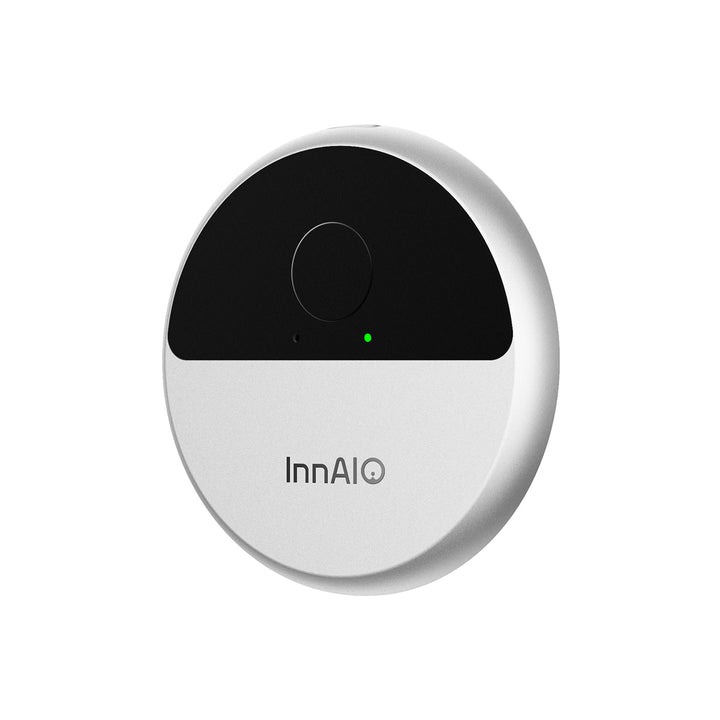
Ten years ago, cross-language conversation in a business setting meant a human interpreter, a phrasebook, or an awkward switch to English regardless of who was more fluent. Today, in airport lounges, hotel front desks, hospital corridors, and international sales floors, a small pocket-sized device increasingly does the same job — quietly, in real time, and without the scheduling headaches. This shift did not arrive with fanfare. There was no single launch moment, no viral demonstration that changed everything overnight. Instead, a category of purpose-built hardware improved steadily over several product generations until it crossed the threshold where professionals actually trusted it during high-stakes conversations. That threshold matters. Once a tool becomes something people carry rather than something people try, adoption accelerates on its own. This article looks at where compact translator devices are now visible in day-to-day work, what technology changes made this possible, and what the next few years likely hold for anyone whose job depends on communicating across languages regularly.
Why Compact Translation Devices Are Now Everywhere
The visibility of translator hardware in professional settings has grown quietly but unmistakably. A decade ago these devices were novelty items sold to tourists. Today they appear in the hands of concierge staff at premium hotels, in briefing bags for cross-border sales teams, and on the desks of international logistics coordinators who negotiate daily across five or six time zones. The change is not driven by any single vendor’s marketing but by a shift in what the hardware can actually do. When a device can produce reliable output during an ordinary conversation without repeatedly asking the speaker to slow down, its social license changes. It stops being a curiosity and becomes an appropriate tool to place on a meeting table without apology or explanation.
That normalization is significant. Tools that require justification before every use are rarely adopted broadly, no matter how capable. A professional-grade ai translator device today reaches a level where explanation is no longer necessary. Colleagues in the room accept its presence the same way they accept a laptop or a phone. That subtle acceptance is what allows adoption to compound quietly across an industry rather than remaining confined to early adopters. The result is a category that grew without a headline moment yet became inevitable to notice once you started looking for it in professional environments.
Airport Lounges and Hotel Front Desks
Hospitality and travel industries were among the first professional environments to adopt these devices at scale. Hotels serving international guests found that even multilingual staff could not cover every language a guest might arrive with, and third-party phone-based translation services introduced friction that undermined the premium-service experience. A device that sits on the counter and delivers immediate response feels more like a helpful colleague than an outsourced service. Similar patterns appeared at airport lounges, cruise-terminal check-in desks, and premium ground-transportation counters. The value in these settings is less about translating rare languages and more about reducing wait times and awkward moments during common interactions. When every second of guest experience matters, the difference between a smooth exchange and a fumbled one has direct commercial consequences.
Global Sales Teams
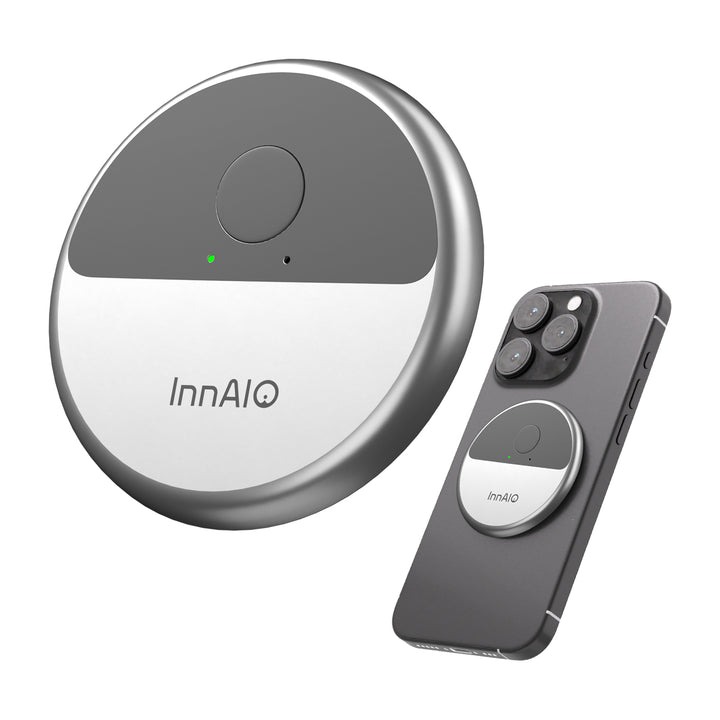
The second wave of adoption came from sales and account management. Teams selling into non-English-speaking markets historically depended on local hires or human interpreters for every customer conversation. Both approaches remain valuable, but neither scales down to short informal check-ins or unexpected follow-up calls. Compact translator devices fill that gap. A quick call between a regional account manager and a customer in another country no longer requires scheduling around an interpreter’s calendar. Trust in the technology grows every time it handles a routine interaction without incident, and once trust is established, the tool moves upward into more consequential meetings. Sales leaders who once considered these devices a novelty now include them in standard travel kits. That reclassification, from optional to expected, is the clearest signal that the category has crossed into standard business equipment.
The Technology Shift Behind the Trend
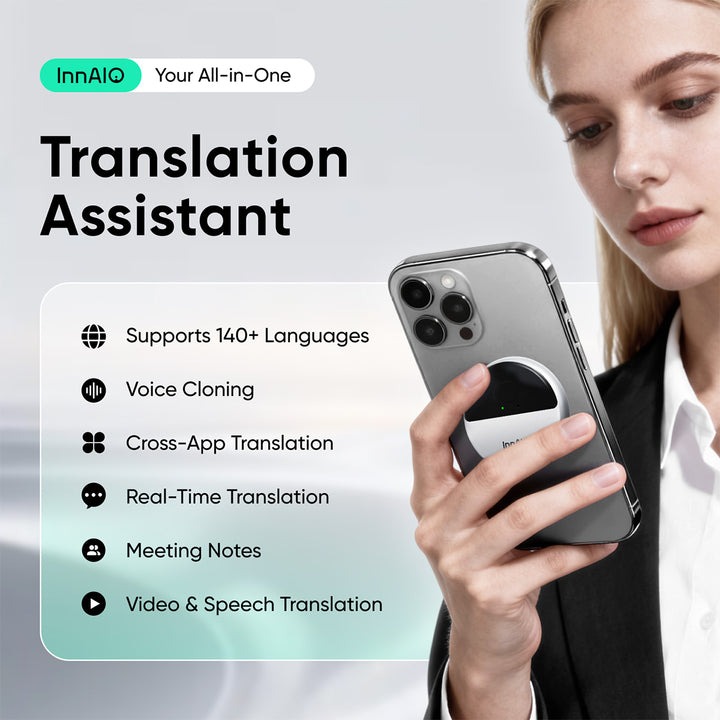
The reason all this became possible in a compact device is a stack of improvements that quietly matured together. Speech recognition models became small enough to run responsively on portable hardware while accurate enough to handle real accents. Translation models moved from phrase-based systems to neural approaches that respect context across sentences. Speaker separation improved dramatically, allowing multi-voice conversations to be handled without the transcript collapsing into unattributed text. Battery and audio hardware progressed on the same timeline, letting the device shrink without sacrificing microphone quality. Any one of these advances alone would have been interesting; together they produced a product category that finally works in daily conditions rather than only in demonstrations.

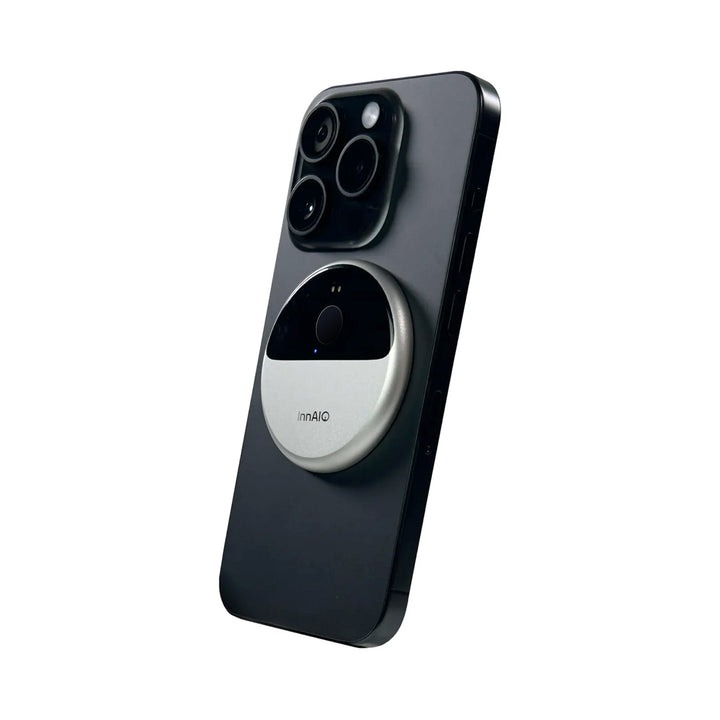
Equally important, the cloud-plus-device architecture became mature enough that latency stopped being the dominant complaint. Early devices had noticeable delays that made conversation feel stilted. Current hardware feels closer to simultaneous interpretation, which changes the social experience entirely. Users no longer wait for the device to catch up; the device keeps pace with the speakers. That difference between translation as interruption and translation as flow is subtle to describe but obvious the moment it is experienced, and it is one of the strongest predictors of whether a user continues to rely on the device after the novelty fades. Brands such as INNAIO built their product lines around this specific quality of experience rather than chasing raw language-count leaderboards, and that focus is exactly what shifted the category from gadget to workplace tool.
What This Means for the Next Few Years
The direction of the category is now visible. Devices will continue to improve in three predictable dimensions — language coverage will deepen rather than widen, low-connectivity operation will become closer in quality to online operation, and integration with other professional tools will become standard. Buyers can expect stronger performance on secondary languages that today are only nominally supported, and offline modes that no longer feel like restricted versions of the online experience. Integrations with calendaring, meeting-notes, and customer-relationship tools will make the transcript output more useful downstream rather than an isolated file to be manually copied. Small incremental gains in each area will compound into a noticeably different user experience within two to three product generations.
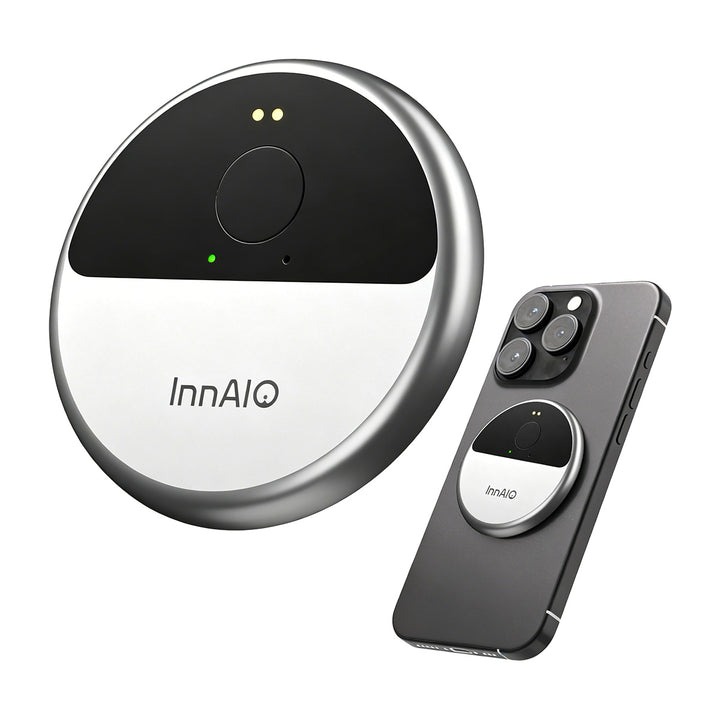
More interestingly, the social norms around these devices will continue to evolve. In markets where translator hardware is already common, meetings increasingly begin with a shared assumption that language will not be the friction point. That assumption alters how meetings are planned, who is invited, and which topics can be raised in real time rather than deferred to formal document exchanges. For teams operating across borders, the practical result is a widening of what routine interactions can accomplish. Short conversations that were previously scheduled around interpreter availability now happen the moment they are needed. That change is quieter than a technology headline, but it is the substantive impact of the shift for anyone whose work spans languages every week.
A New Normal for Global Communication
What was novelty a decade ago is standard equipment now for a growing set of professionals. The change did not come from a single dramatic launch but from steady improvements across half a dozen technology stacks that quietly aligned. The result is a device category that finally does what its early marketing always promised, and that professionals can carry without needing to justify its presence. Understanding the trend matters practically because it changes how careers, teams, and businesses can operate across borders. Language friction, once a permanent feature of international work, is becoming a solvable inconvenience rather than a structural constraint. Buyers evaluating hardware this year are no longer betting on whether the category will mature; that has already happened. The remaining question is which specific device best fits the specific pattern of conversations that fill a given professional’s calendar. Answered honestly, that question leads to a tool that quickly becomes indispensable — and to a work life where the ability to talk to anyone stops feeling like a claim and starts feeling like a fact.