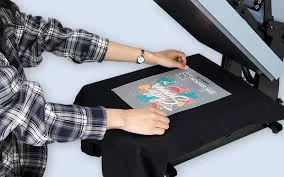
DTF printing is changing how people run small businesses focused on custom products. If you want to start a business that offers personalized items in small numbers, this model is worth looking at. It lets you print designs directly onto film and transfer them to fabrics and other materials. This guide walks you through the whole thing in simple terms. You will learn what it is, why it works, how to set it up, and ways to grow.
What is DTF Printing?
DTF stands for Direct to Film. It is a printing method where you print your design onto a special film using special ink. Then you cover it with powder, cure it, and press it onto the item like a t-shirt, hoodie, or bag.
Unlike older methods, DTF works on many materials, including cotton, polyester, and blends. The colors stay bright and the prints last through many washes. You do not need big minimum orders like with screen printing. This makes it perfect for small batches.
In this business model, you focus on making one to fifty items at a time. Customers come to you with their own ideas — maybe a team logo, a funny quote, or a family photo. You turn those ideas into real products quickly. Many small shops, online sellers, and even big brands use DTF for limited runs because it saves time and money.
The equipment is not too hard to learn. You need a DTF printer, good ink, film, and a heat press. Once you get the hang of it, you can finish an order in a day or two.
Why Small-Batch Customization Makes Sense Today
People today want things that feel special. They do not want to buy the same plain shirt everyone else has. Small-batch customization lets customers pick colors, sizes, and designs that match their style.
This model fits well with online shopping. A customer can order three custom shirts for a birthday party and get them fast. Businesses love it too. A small cafe can order ten branded aprons without wasting money on hundreds they do not need.
Costs stay low because you only print what you sell. There is less inventory sitting around. You can test new designs without big risks. If something does not sell, you simply move on to the next idea.
Another big plus is speed. Traditional printing can take weeks. With DTF, you can go from design to finished product in hours. This quick turnaround helps you stand out from bigger competitors.
How to Start Your DTF Printing Business
Starting is easier than many people think. First, learn the basics. Watch free videos online or take a short course. Practice on scrap materials until your prints look clean.
Next, get your equipment. Look for a reliable DTF printer supplier that offers good machines for beginners and ongoing support. One solid option is LINKO. They provide printers, inks, and films that work well together.
Set up a small workspace. You need a clean area for printing, a table for the heat press, and space to let items dry. Good ventilation is important because of the powders and inks.
Decide what to sell. Start with t-shirts, hoodies, and tote bags. These are popular and easy to print. Later you can add hats, pillows, or even shoes.
Build an online presence. Create a simple website or use platforms like Etsy and Shopify. Show clear photos of your work. Offer easy design tools so customers can upload their ideas.
Price your products fairly. Figure out your costs for ink, film, and time. Add a healthy profit margin. Many successful shops charge enough to cover expenses and still keep customers coming back.
Marketing Your Custom Products
Good marketing brings in steady orders. Use social media to show your process. Post short videos of a design going from screen to shirt. People love seeing how things are made.
Run small promotions. Offer free shipping on orders over a certain amount or discounts for repeat customers. Partner with local teams, schools, or event planners who need custom gear.
Focus on niches. Some shops do great with pet lovers, wedding parties, or corporate gifts. Find a group that needs custom items often and serve them well.
Collect reviews. Happy customers who share their photos help you get more sales. Ask for feedback after every order.
Email lists are useful too. Send updates about new designs or special offers to people who have bought before.
Benefits of This Business Model
One main benefit is flexibility. You can work from home or a small shop. Many owners start part-time while keeping another job.
Low startup costs compared to other printing methods. You do not need huge machines or warehouses full of stock.
Creative freedom is another win. You get to work with all kinds of designs every day. Customers bring fresh ideas that keep the work interesting.
It is also scalable. Begin with a few orders a week. As you grow, add more printers or hire help. Some businesses expand into wholesale or open their own stores.
The prints themselves hold up well. Customers get products they can wear and wash many times without cracking or fading.
Common Challenges and How to Fix Them
Like any business, you will face some hurdles. Quality control is important. Bad prints waste materials and upset customers. The fix is to test every batch and keep your workspace clean.
Competition is growing. Stand out by offering faster delivery or better customer service. Some shops add extra touches like gift wrapping or thank you notes.
Learning the machine takes time. Do not get discouraged if your first prints are not perfect. Most people improve quickly with practice.
Finding steady customers can be slow at first. Keep posting content and reaching out to local groups. Over time your reputation builds.
Supply chain issues sometimes happen with ink or film. Work with a few different suppliers so you are not stuck if one runs low.
Tips for Long-Term Success
Stay updated on new DTF techniques. The industry moves fast with better inks and films coming out each year.
Keep good records of every order. Track what sells best so you can focus your efforts.
Build relationships. Treat every customer like a regular. Many will come back for their next event or gift.
Manage your time. Set clear hours for printing and for handling orders. Burnout is real if you try to do everything at once.
Think about the environment. Choose eco-friendly inks when possible. Customers notice and appreciate green practices.
Consider adding related services. Some shops offer design help, embroidery, or shipping to make buying easier.
Future Outlook for DTF Small-Batch Customization
The demand for custom products keeps growing. More people shop online and expect personal touches. DTF fits this trend perfectly because it is fast and affordable for small runs.
New materials are opening up. Soon you might print on wood, leather, or other surfaces with the same easy process.
Technology improvements will make machines faster and cheaper to run. This means higher profits for smart business owners.
Global markets are another opportunity. You can sell worldwide through online platforms. Someone in another country can order your custom designs and receive them quickly.
Overall, this business model offers a good balance of creativity, flexibility, and profit potential. It suits people who enjoy hands-on work and helping customers bring their ideas to life.
If you are thinking about starting, take it step by step. Learn the skills, get the right tools, and focus on delivering quality every time. Many people are already making a full living with DTF printing small-batch customization. With some effort and smart choices, you can too.
