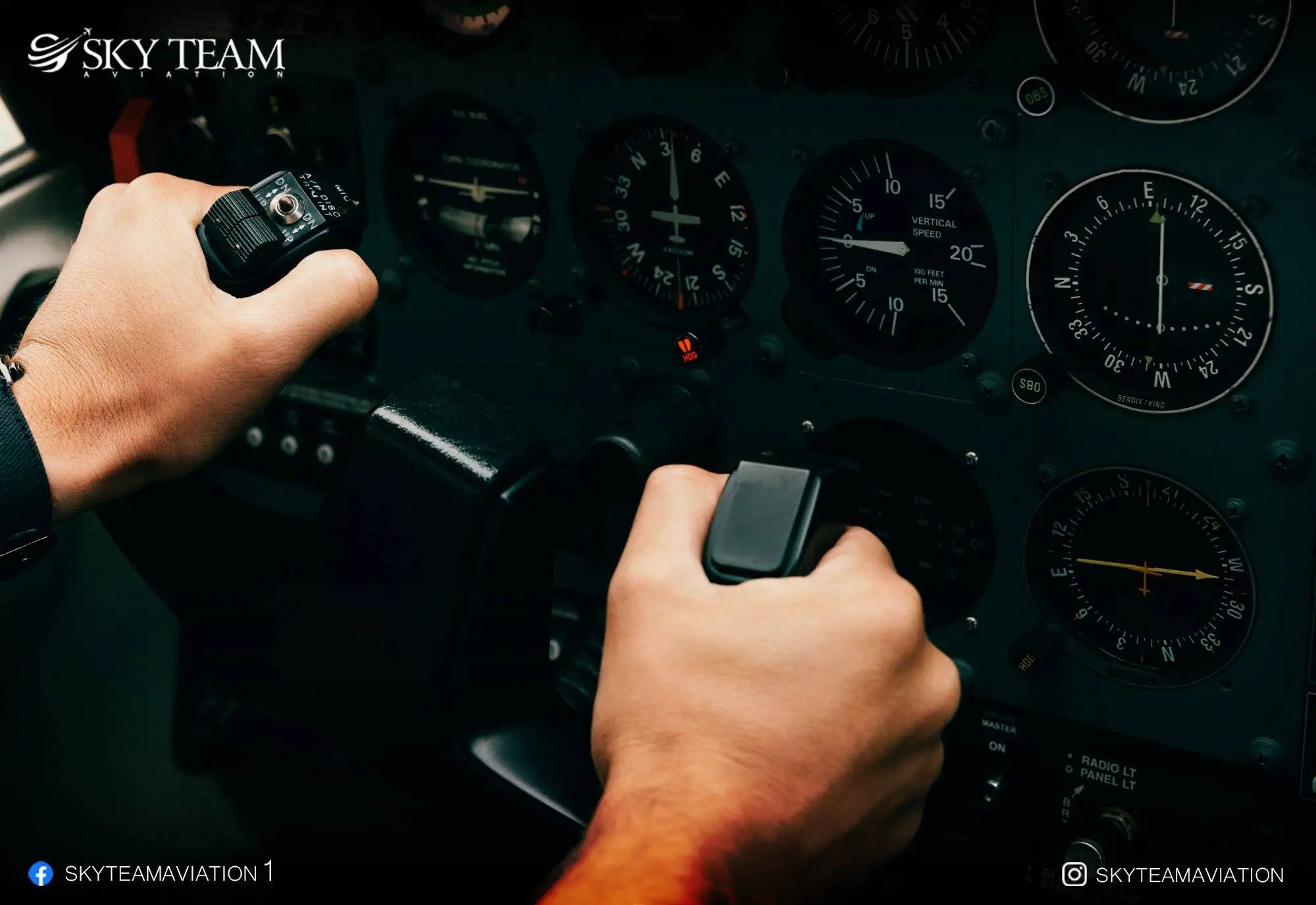
A first solo flight is a major milestone in aviation training, combining technical ability with sound judgment and preparation. Building confidence takes consistent practice, a clear understanding of procedures, and the ability to make safe decisions under pressure.
Developing Skills Through Consistent Practice
Learning to fly involves much more than controlling an aircraft. Students must understand how aircraft systems work, interpret weather conditions, communicate with air traffic control, and respond appropriately when circumstances change.
For anyone comparing a flight school in Dallas program, it helps to understand how training schedules, instructor feedback, and local flying conditions may influence the learning experience. The goal is to find a program that supports steady progress while giving students enough time to develop reliable habits.
Regular lessons can help students retain procedures and recognize areas that need improvement. When lessons are separated by long gaps, additional review may be necessary before previously learned skills become consistent.
Preparing for the First Solo Flight
Before a student flies alone, an instructor evaluates whether they can safely perform essential maneuvers and manage routine flight operations. This preparation usually includes takeoffs, landings, traffic pattern procedures, radio communication, and responses to common situations.
Students should become comfortable completing preflight inspections, reviewing weather information, and following checklists without rushing. These routines help reduce avoidable mistakes and make it easier to recognize when conditions require a change of plan.
An instructor’s approval is essential before a first solo flight. Students should never treat solo authorization as a race or compare their progress with classmates. Readiness depends on demonstrated proficiency, sound judgment, and the ability to follow established procedures consistently.
Learning to Make Better Decisions in the Cockpit
Good pilots recognize that flying involves continuous decision-making. Weather can change, visibility may deteriorate, and unexpected traffic or equipment concerns can require immediate attention.
Training helps students develop a structured approach to these situations. They learn to gather information, assess possible risks, consider alternatives, and choose an appropriate response. Practicing these steps during lessons makes them easier to apply when conditions become more demanding.
Students also benefit from understanding personal limitations. Fatigue, stress, illness, and inadequate preparation can affect performance. Recognizing these factors and deciding when not to fly are important parts of responsible aviation.
Understanding Weather and Local Flying Conditions
Weather knowledge is essential throughout flight training. Wind direction and speed, cloud ceilings, visibility, turbulence, and temperature can influence whether a flight is appropriate and how it should be conducted.
Students should learn to interpret aviation weather reports and forecasts rather than relying solely on general weather applications. They also need to understand how changing conditions affect aircraft performance, route planning, and landing decisions.
Training in the Dallas area may expose students to a range of seasonal conditions, including thunderstorms, gusty winds, and periods of reduced visibility. Learning to assess current reports and recognize changing conditions helps students make informed decisions instead of feeling pressured to complete a scheduled lesson.
The objective is not to fly in every condition but to recognize what is safe for the aircraft, the pilot’s experience, and the intended flight.
Making Ground Study Part of Every Lesson
Flight time is only one part of becoming a capable pilot. Ground study helps students understand the principles behind the actions they perform in the cockpit.
Reviewing aerodynamics, navigation, airspace rules, aircraft systems, and emergency procedures before a lesson can make practical training more productive. Students can then focus on applying their knowledge rather than trying to learn every concept while managing the aircraft.
After each lesson, writing down instructor feedback and reviewing challenging maneuvers can help identify patterns. For example, recurring difficulties with landing approaches may indicate a need to revisit airspeed control, sight picture, or wind correction.
Short, consistent study sessions are often more manageable than trying to absorb large amounts of information immediately before an examination.
Choosing Training That Supports Long-Term Progress
A useful training environment provides clear expectations, constructive instruction, and opportunities to address weaknesses before moving to more advanced tasks. Students should understand how progress is measured and what skills they need to demonstrate at each stage.
It is also helpful to ask about instructor availability, aircraft maintenance practices, lesson cancellations, and how missed sessions are rescheduled. These practical details can influence how consistently students train.
Students should consider their long-term objectives as well. Someone pursuing recreational flying may follow a different path from someone planning to earn an instrument rating, commercial certificate, or flight instructor qualification. Understanding these differences can help students make informed decisions about their next steps without committing to training they do not yet need.
Conclusion
Building confidence as a new pilot comes from consistent practice, careful preparation, and a willingness to make safety the priority. By developing sound decision-making skills and learning from each lesson, students can progress toward solo flight and future aviation goals with greater confidence.